

Activated Carbon Grinding Mill and Production Line Process
- Time:2026-09-24
- Views:1
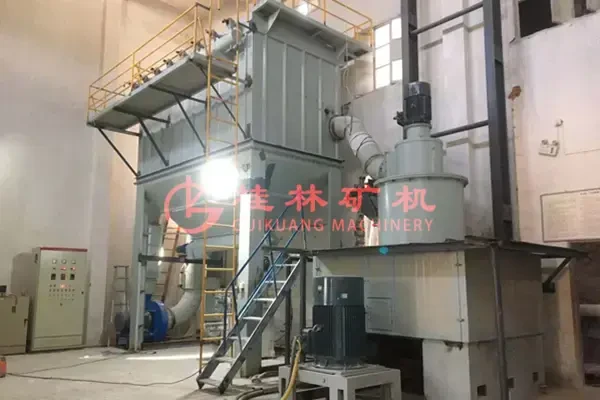
Activated Carbon Grinding Mill refers to equipment used to grind activated carbon into powder. The grinding mill shall adopt an open-circuit system and be equipped with safety measures including dust removal, explosion protection, inert gas shielding and anti-static protection. During grinding, the grinding chamber temperature shall be strictly controlled (≤80℃), and grinding parameters shall be optimized to strike a balance between grinding chamber temperature and pore structure.
What is Activated Carbon?
Activated carbon is specially processed amorphous carbon in black powder, granular or honeycomb form. It has an ultra-high specific surface area (500-1500m²/g) and well-developed pore structure (macropores >500Å, transitional pores 20~500Å, micropores<20å), which="" can="" effectively="" remove="" colority="">
Precautions for Activated Carbon Grinding Production Line
Moisture Control: The moisture content of activated carbon raw materials must be strictly controlled at 8%~12%. Excessively high humidity tends to cause material adhesion and blockage, while excessively low humidity increases the risk of dust explosion. Dryers must be equipped for pretreatment of high-humidity raw materials.
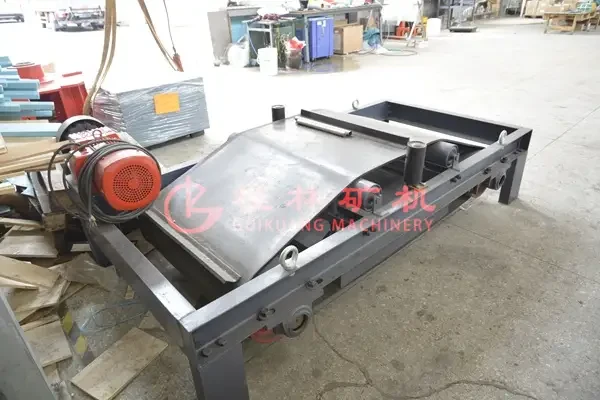
Raw Material Handling: Raw materials fed into the mill must go through multi-stage crushing to ≤30mm. Avoid feeding large particles directly, which may overload the grinding mill and lead to insufficient grinding. Meanwhile, iron removers shall be used to remove metallic impurities and vibrating screens to sieve out large debris to prevent impurity contamination of powder.
Open-circuit Process: Activated carbon is flammable at high temperature. The grinding mill system shall adopt an open-circuit process. Materials are quickly discharged once after grinding without classification and material return, shortening material residence time in the grinding chamber and preventing combustion under high temperature.
Safety Protection: Activated carbon powder belongs to flammable and explosive materials. Local enclosures and pulse bag dust collectors shall be installed at dust emission points to ensure dust concentration ≤8mg/m³. Exhaust gas from dust collectors shall be treated by activated carbon adsorption devices before discharge. Explosion-proof valves and burst discs shall be fitted on the grinding mill system together with an inert gas protection system. Nitrogen will be automatically injected when dust concentration reaches 50% of the lower explosion limit. Anti-static equipment is also adopted to eliminate sparks.
Storage and Transportation: Activated carbon shall be packed with moisture-proof packaging and stored in dry and ventilated warehouses. Immersion in water will fill pores and cause loss of adsorption capacity. Contact with tar substances is strictly prohibited to avoid pore blockage. Keep away from fire sources during storage and transportation. Regenerated activated carbon can only be stored after being cooled below 80℃ to prevent spontaneous combustion when high-temperature carbon contacts oxygen.
How to Select a Suitable Activated Carbon Grinding Mill?
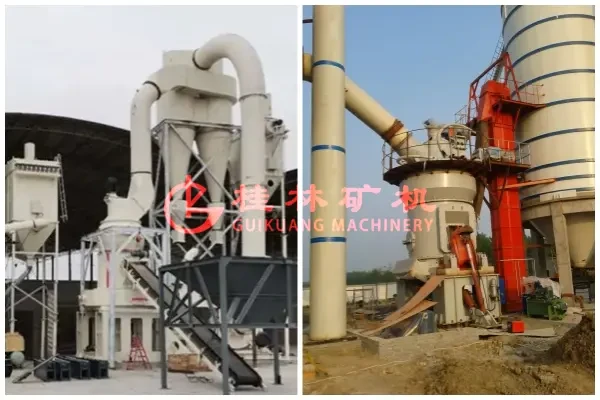
Raymond Mill
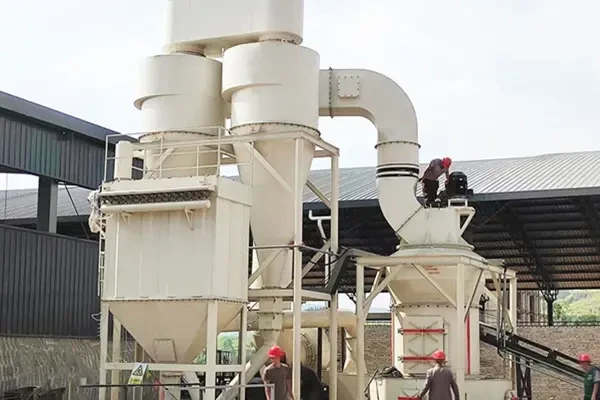
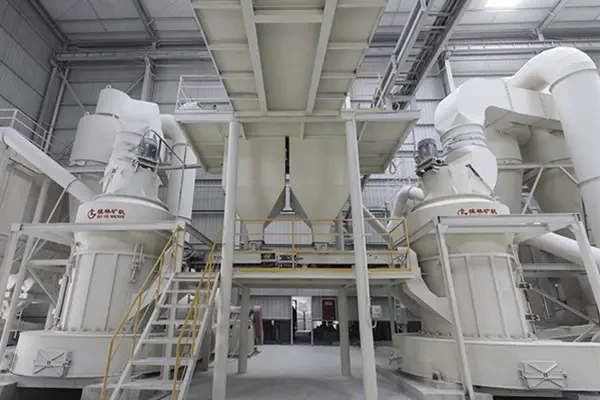
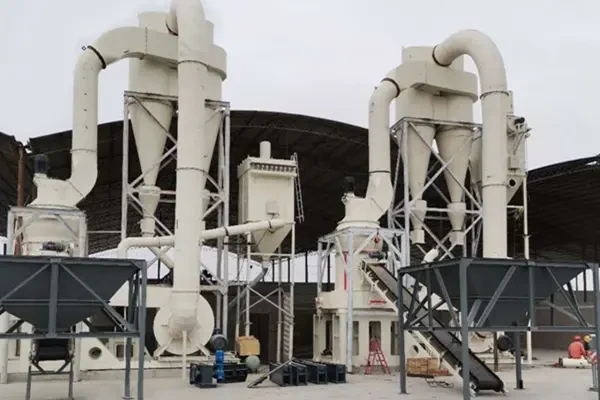
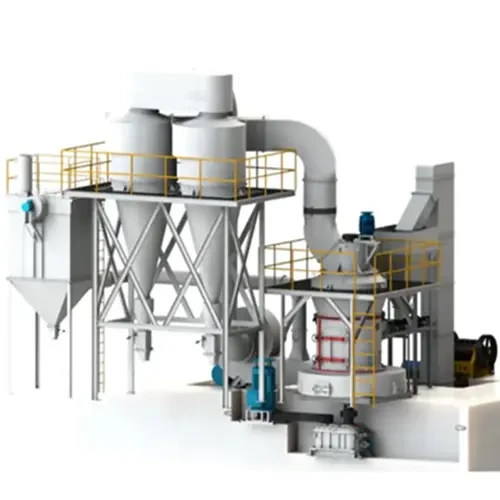
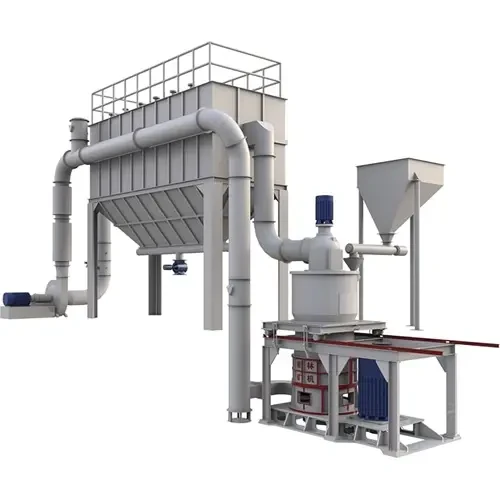
Raymond Mill is suitable for raw materials with obvious fibrous structure and moderate hardness such as wood-based carbon and fruit shell carbon, as well as small and medium-sized projects with annual output below 20,000 tons. It delivers the best cost performance in this field with flexible particle size adjustment from 80 to 400 mesh. However, core grinding components (e.g. high chromium alloy grinding rollers) must be upgraded to cope with wear risks under Mohs hardness 6~7. Meanwhile, feed moisture shall be strictly controlled (8%~10%) and system air volume increased to suppress temperature rise and prevent iodine value decline. Widely used in conventional adsorption scenarios such as water purification filter media and solvent recovery, it is the preferred solution with low damage to pore structure and controllable overall cost.
Vertical Roller Mill
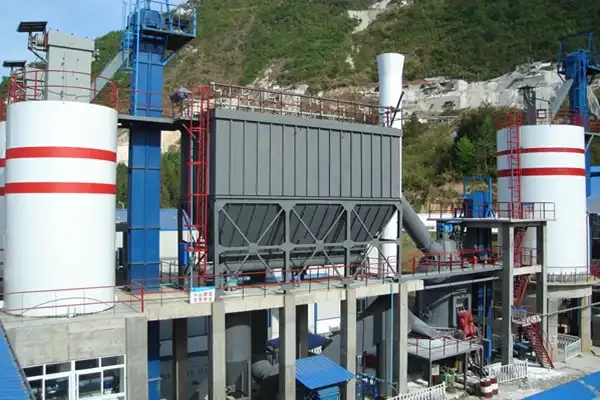
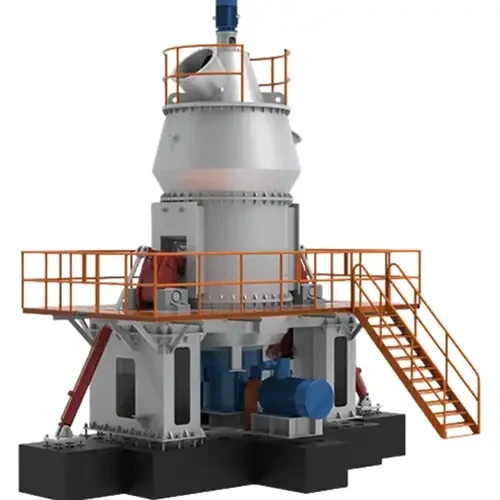
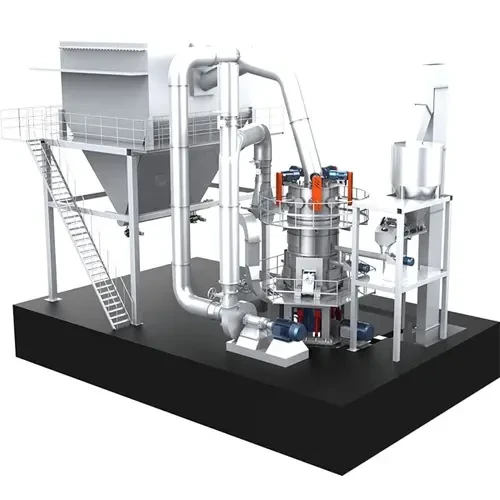
Vertical Roller Mill applies to coal-based activated carbon and high-moisture raw materials (≤15%) for large-scale production with annual output above 50,000 tons. Its grinding rollers do not directly contact the grinding disc; crushing is realized by material layer compression with low shear force to protect the pore structure of activated carbon. It integrates drying and grinding functions with lower unit power consumption than Raymond Mill, and single machine capacity can reach tens of tons. Multi-stage iron removers shall be equipped to handle vibration risks caused by hard foreign matters. It fits large-scale scenarios with strict requirements on adsorption performance such as mercury removal in power plants and large sewage treatment. Although the initial investment is high, it brings high return on investment in long-term operation.
Ultra-fine Grinding Mill
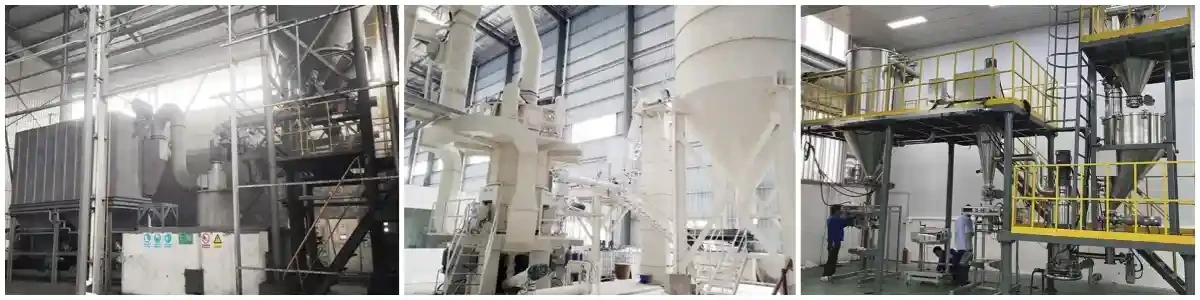
For processing 400~2500 mesh ultra-fine activated carbon powder, different technical routes shall be selected according to product positioning, production capacity and quality requirements:
Ultra-fine Ring Roller Grinding Mill: Suitable for non-adsorption fields where pore structure requirements of activated carbon powder are loose, such as battery anode, conductive filler and colorant. It features low investment cost, but small-batch grinding tests must be carried out to quantify the iodine value attenuation rate.
Ultra-fine Vertical Roller Mill: Suitable for large-scale industrial production requiring retention of adsorption performance. It causes low damage to activated carbon pore structure with controllable iodine value loss. Its energy consumption is only about 1/3 of jet mill, with large single machine capacity. It is applied in high-end water treatment, power plant mercury removal, pharmaceutical carriers and other fields.
Jet Mill: Suitable for adsorption fields with extreme iodine value retention requirements, such as pharmaceutical grade, food grade and supercapacitors. Its non-mechanical contact characteristic can maximally protect pore structure, yet it consumes huge energy and requires large investment. It is only suitable for high value-added and small-batch products.
Technological Process of Activated Carbon Grinding Production Line
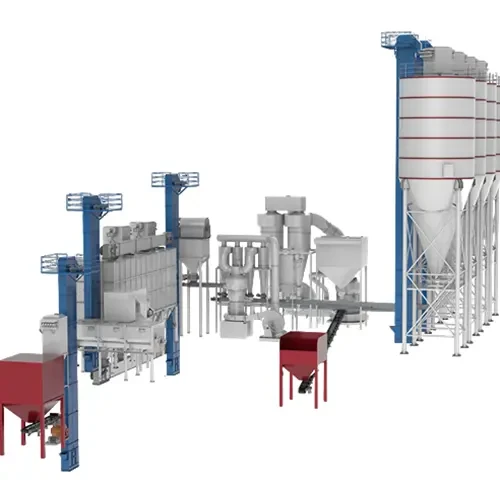
The activated carbon grinding production line shall control raw material moisture (8%~12%) and complete safety protection measures. Raw materials go through multi-stage crushing by jaw crusher and hammer crusher to ≤30mm, followed by iron removal via iron removers and screening with vibrating screens to meet mill feeding conditions. Activated carbon grinding mill with open-circuit system is selected according to raw material characteristics. Materials are quickly discharged and collected as finished products after one-pass grinding. Explosion-proof valves and burst discs are installed on key equipment such as grinding mills and dust collectors, equipped with inert gas protection system. The PLC system monitors real-time parameters such as temperature (≤80℃) and pressure to ensure safe production.
Application Scenarios of Activated Carbon Grinding Mill
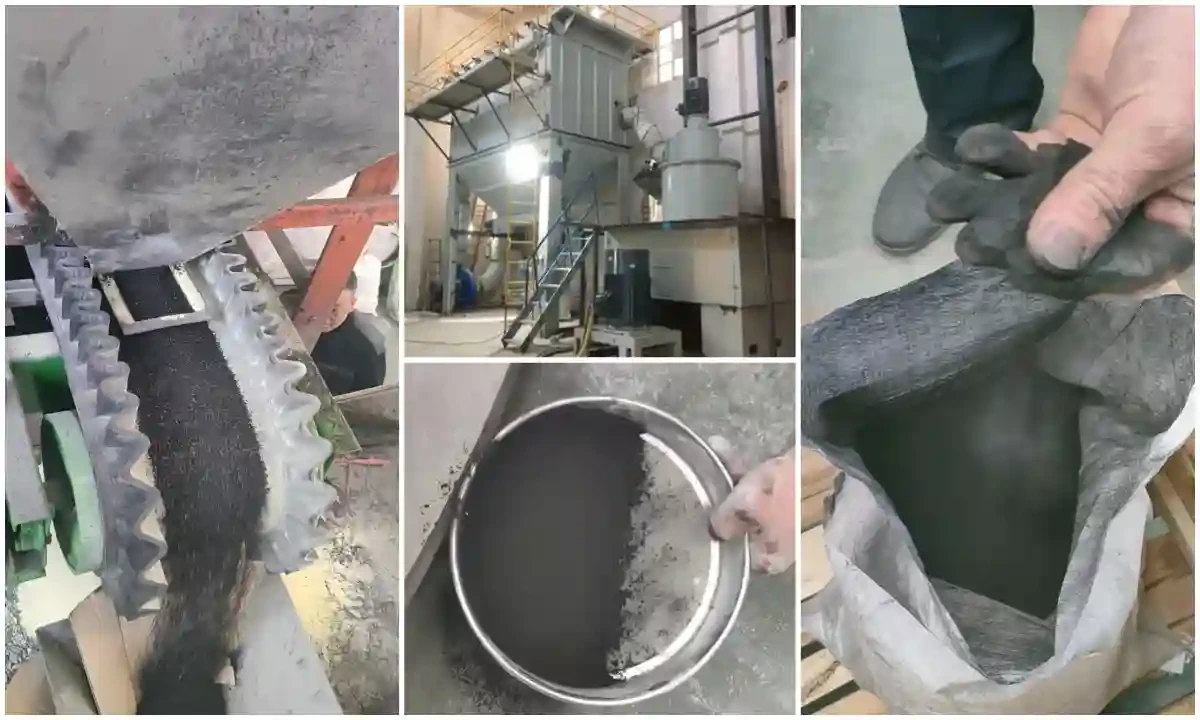
Frequently Asked Questions about Activated Carbon Grinding
What Explosion-proof Measures are Available for Activated Carbon Grinding Production Line?
Grinding mills, classifiers, dust collectors and other equipment are fitted with explosion-proof valves and burst discs, equipped with inert gas (nitrogen) protection system. Anti-static conveying equipment and grounding devices are adopted to eliminate static sparks. Finally, the PLC system monitors real-time parameters such as temperature (≤80℃) and pressure to guarantee safe production.
How to Balance Grinding Chamber Temperature and Pore Structure of Activated Carbon Grinding Mill?
To balance grinding chamber temperature and pore structure of the activated carbon grinding mill, optimize grinding parameters, use variable-frequency feeding to maintain optimal material layer thickness and avoid heat generation caused by empty grinding or overload. Strengthen heat exchange, increase system air volume for forced convection heat dissipation, and install air cooling or water cooling systems for key heat sources to strictly keep grinding chamber temperature below 80℃.
What Should Be Noted When Activated Carbon Grinding Mill Handles Regenerated Activated Carbon Raw Materials?
Regenerated activated carbon must be forcibly cooled below 80℃ after kiln discharge before entering the grinding mill to prevent spontaneous combustion when high-temperature carbon contacts oxygen. Check regeneration completeness before feeding. Remove impurities such as metals and refractory bricks by magnetic separation and screening to avoid mill blockage and powder contamination. It is recommended to conduct small-batch trial operation first. Mass production can start only after confirming no adhesion, blockage or abnormal temperature rise.
 Home
 Products
 About
 Call