

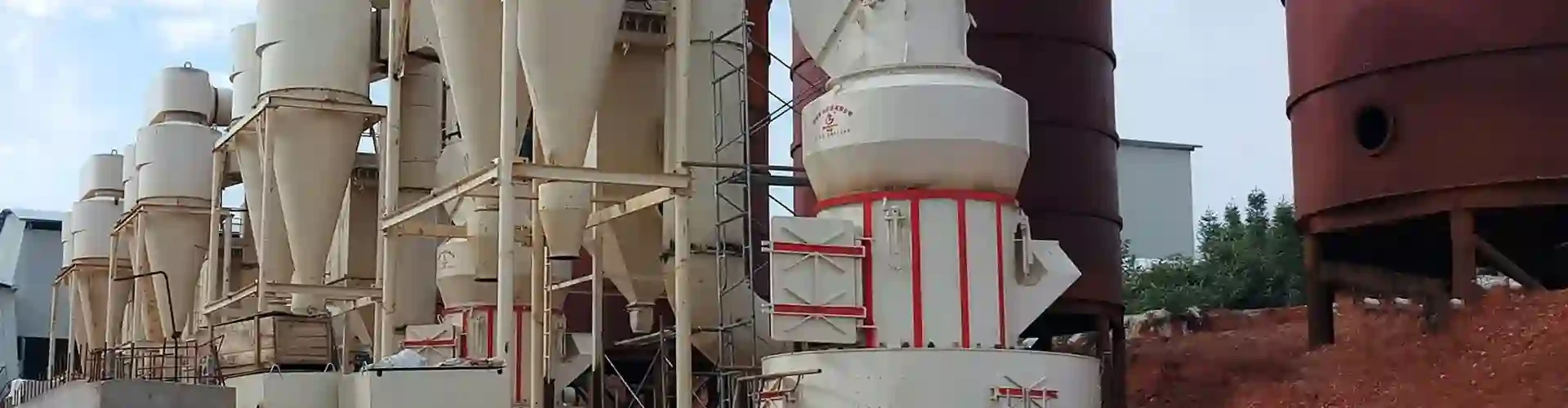
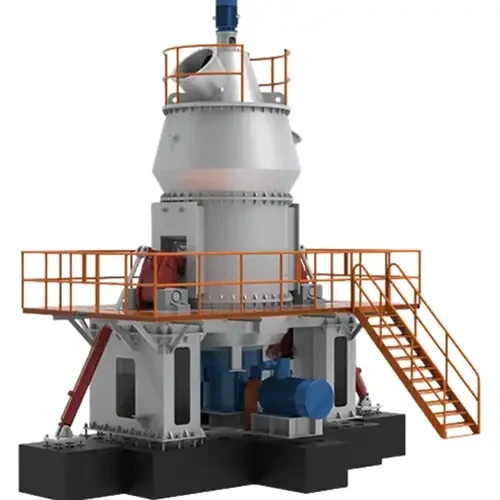
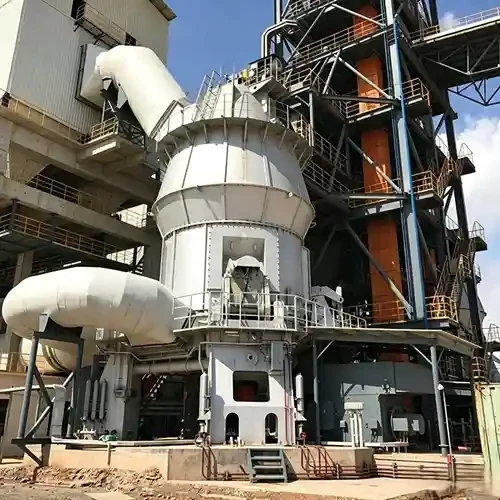
Vertical Roller Mill
Feed Size:≤60 mm
Output Capacity:20-240 t/h
Powder Fineness:80-600 mesh
Applicable Materials:Limestone, marble, calcite, barite, dolomite, coal gangue, petroleum coke, slag, furnace slag, granulated slag, steel slag, bituminous coal, graphite, gypsum, cement clinker, etc.
Vertical Roller Mill Introduction
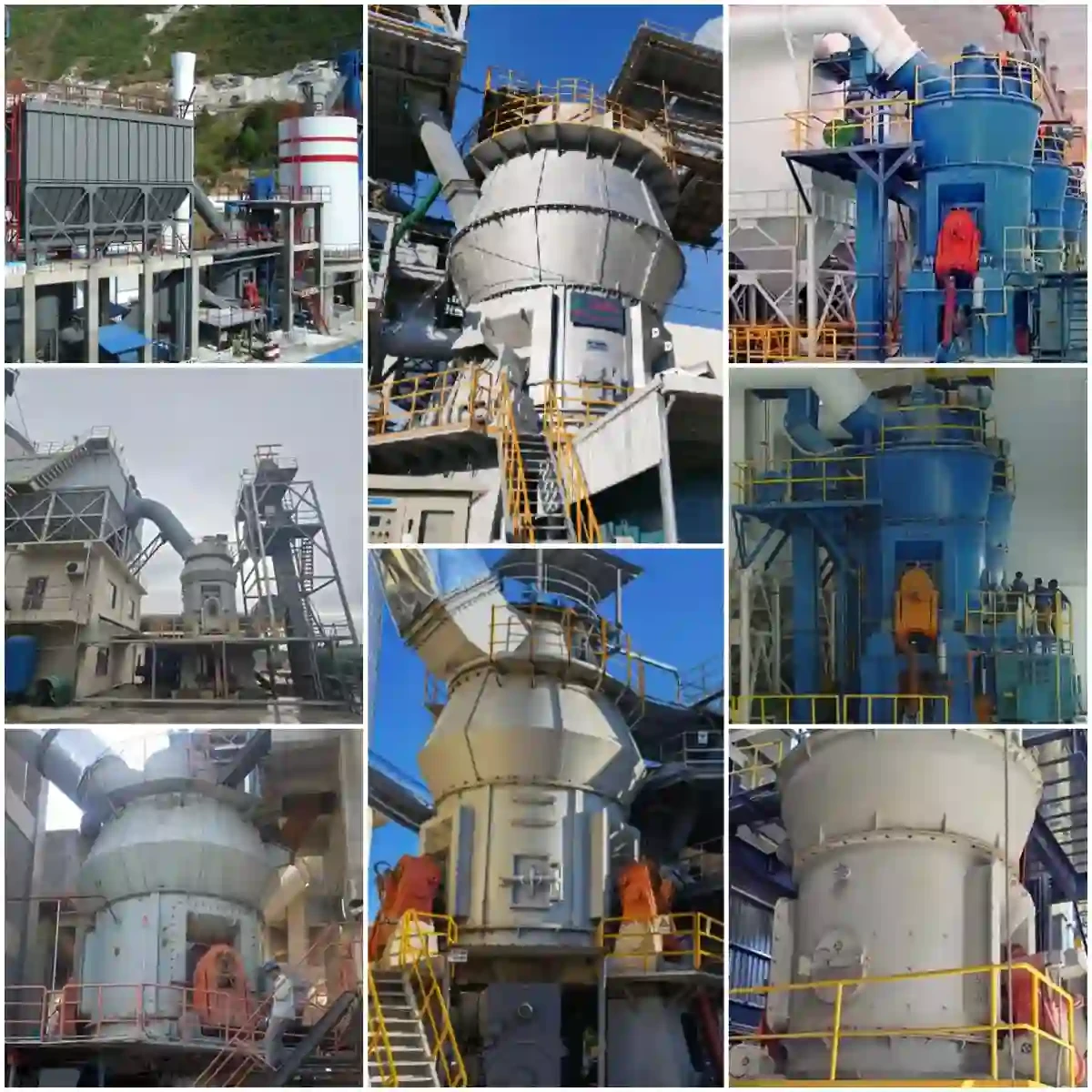
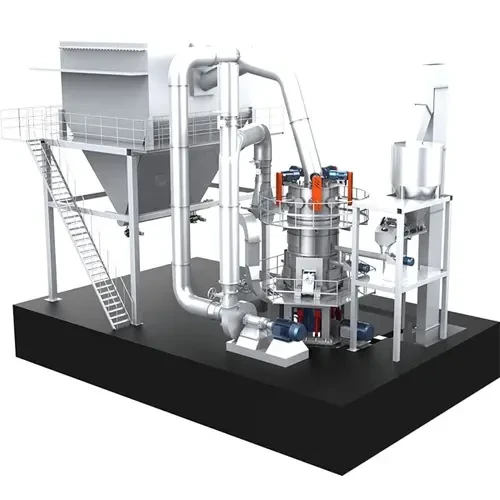
Vertical Roller Mill integrates multiple functions including crushing, drying, grinding and classification. Adopting vertical roller mill design, its grinding rollers sit above the grinding table. Pressure is applied to the rollers via the hydraulic system, with no direct contact between rollers and the table. It features low noise and slight wear, effectively reducing metal contamination. Equipped with a powerful built-in drying system, it can directly process sticky wet materials with moisture ≤15%. It is widely used for large-scale powder processing in large mines, cement, building materials, power generation, metallurgy and other industries.
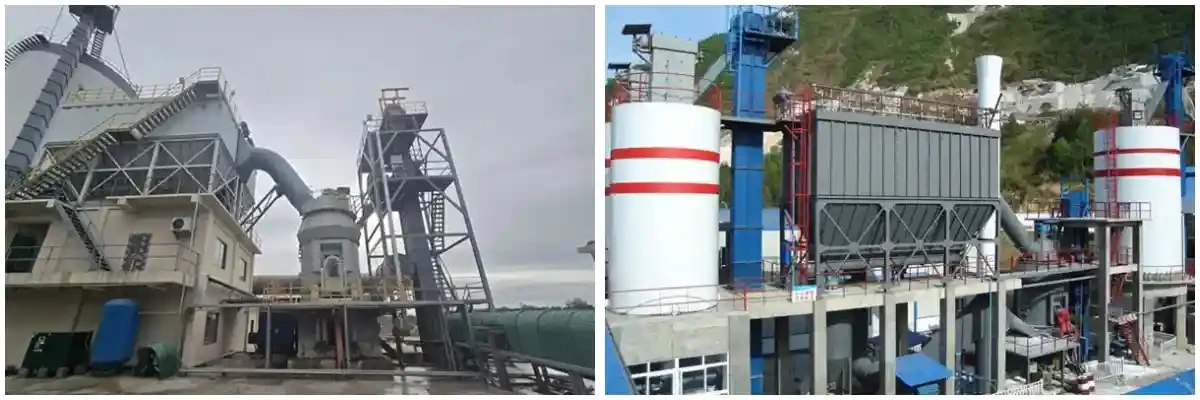
| Structure of Vertical Roller Mill | ||||
| Grinding System | Classification System | Drying System | Transmission System | Hydraulic System |
| Composed of grinding table, grinding rollers and other components; rollers are mounted above the grinding table | Dynamic classification system. High-speed rotating rotor creates centrifugal force field | Hot air introduced from the bottom enters the mill through air ring | Consists of main motor and reducer | Independent maintenance hydraulic cylinder for easy roller sleeve turnover |
| Hydraulic system applies pressure on rollers to realize material compression and crushing | Finished fineness controlled by adjusting rotor speed | High-efficiency drying while materials are conveyed by air flow | Main motor provides primary power; reducer drives grinding table | Grinding force supplied by roller pressing cylinder |
Features & Advantages of Vertical Roller Mill
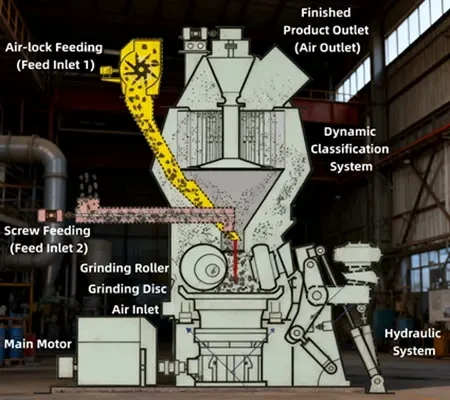
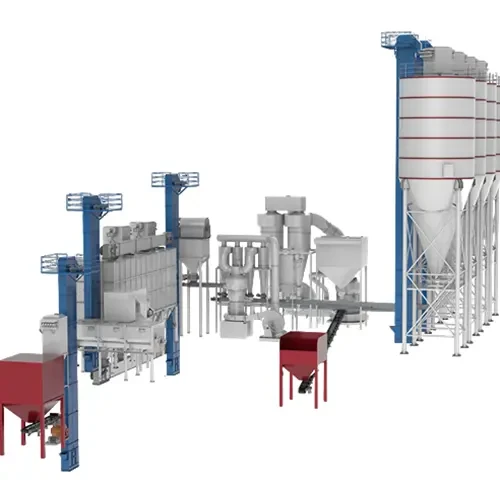
High Integration: Integrates crushing, drying, grinding, classifying and conveying functions. High automation level, small footprint and convenient maintenance.
Long Service Life & Wear Resistance: Grinding rollers do not contact the table directly. Rotating table supports materials to form buffer material bed. Low noise and minor wear reduce metal contamination. Roller sleeves can be turned over to extend service life.
Efficient Drying: Built-in powerful drying system. Internal water spraying nozzle stabilizes material bed and controls grinding temperature by atomized water. It can directly handle sticky wet materials with moisture ≤15% without extra drying equipment.
Energy Saving & High Efficiency: Max feed size reaches 3%~5% of roller diameter. Large material handling capacity, output up to 20~240t/h. Low operation energy consumption, saving 30%~50% power compared with ball mill.
Precise Control: Fineness adjustable freely from 80~600 mesh. Sieve passing rate ≥90% for 325 mesh. Stable output with concentrated and uniform particle size distribution.
Process Flow of Vertical Roller Mill
Material Bed Grinding
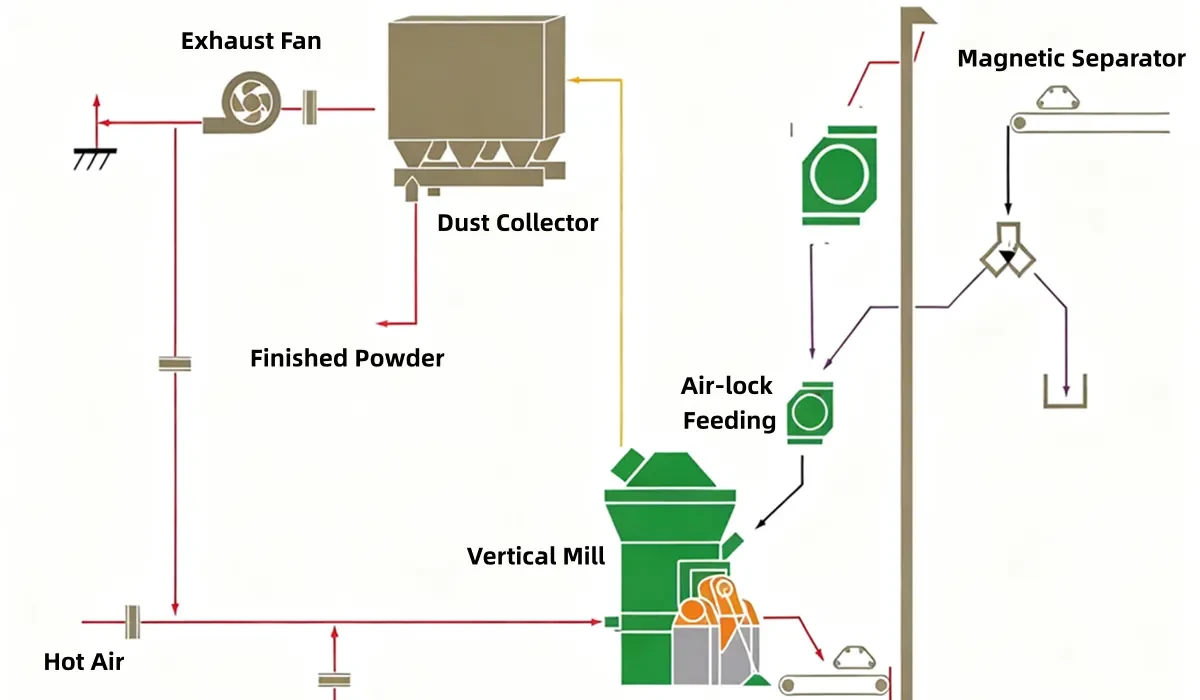
Raw materials meeting feed requirements (particle size ≤60mm, moisture ≤15%) are fed into vertical roller mill via conveying system. Materials fall to the center of rotating grinding table from inlet, then thrown into compression zone between roller and table under centrifugal force. Hydraulic system provides stable pressure for rollers. Constrained by retaining ring, materials form stable material bed and get squeezed and crushed strongly by rollers.
Synchronous Drying
High-temperature hot air introduced from lower shell penetrates material bed during grinding. Ground materials have sharply increased specific surface area, realizing heat exchange between powder and hot air. Materials are instantly dried while rising with hot gas flow and carried to top dynamic classifier.
Dynamic Classification
Precise separation is realized by adjusting rotating speed of classification impeller. Fine powder meeting particle size requirement passes classifier wheel with air flow and enters dust collection system. Unqualified coarse powder is thrown by impeller toward shell, falls back onto grinding table for regrinding to form closed circulation.
Powder Collection & Dust Removal
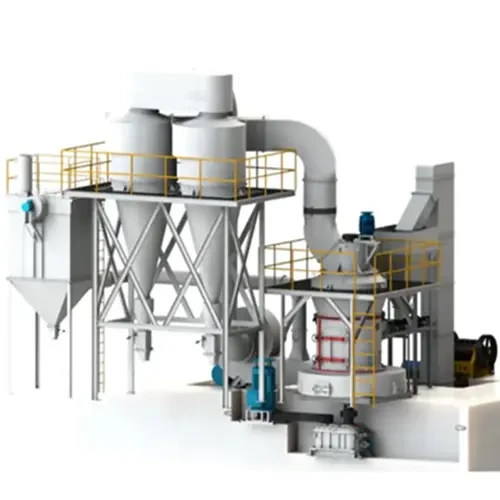
Qualified fine powder enters dust collection system (single-stage or multi-stage dust collection system available) for gas-solid separation. Finished fine powder is collected, residual gas purified and discharged by fan.
Single-stage Dust Collection System: Equipped with electrostatic precipitator or baghouse filter. Mill gas flows directly into dust collector. Simple system layout saves fan energy, with low investment and maintenance cost.
Multi-stage Dust Collection System: Cyclone collector for primary collection, electrostatic precipitator or bag filter as secondary dust collector. It reduces system negative pressure, lowers equipment wear and improves total powder recovery rate, especially suitable for high-value material recovery.
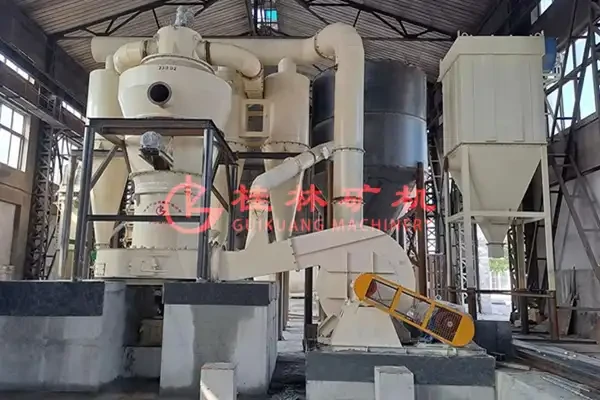
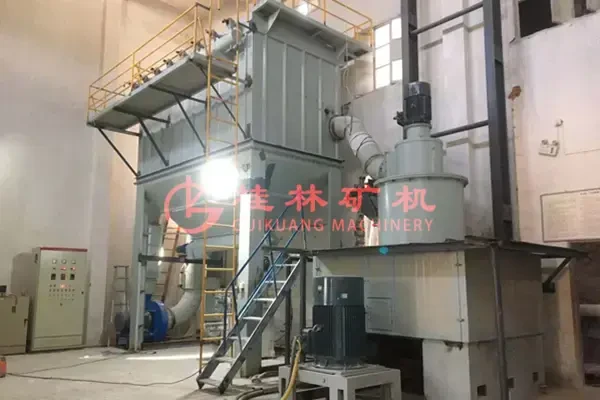
Application Scenarios of Vertical Roller Mill
Technical Parameters of Vertical Roller Mill
| GKLM Vertical Roller Mill Parameter Table | ||||||
Model | Capacity (t/h) | Feed Size (mm) | Material Moisture (%) | Raw Meal Fineness (R0.08) | Product Moisture (%) | Main Motor Power (kW) |
| GKLM1300S | 20~24 | ≤25 | ≤15 | ≤12 | ≤1 | 200 |
| GKLM1500S | 25~34 | ≤30 | 315 | |||
| GKLM1700S | 38~48 | ≤35 | 450 | |||
| GKLM2000S | 65~80 | ≤40 | 710 | |||
| GKLM2200S | 90~105 | ≤45 | 1000 | |||
| GKLM2500S | 110~125 | ≤50 | ≤14 | 1250 | ||
| GKLM2800S | 125~155 | ≤55 | 1600 | |||
| GKLM3400S | 190~240 | ≤60 | ≤15 | 2500 | ||
| Raw material Bond Work Index ≤12kwh/t | ||||||
| * The above data is for reference only, actual parameters vary with materials | ||||||
Frequently Asked Questions of Vertical Roller Mill
How to Select Suitable Vertical Roller Mill?
Vertical Roller Mill: Suitable for materials with uniform particle size and relatively low moisture (≤15%) and stable condition. Dedicated to high value-added products such as high-activity slag powder, high-grade cement and fine non-metallic powder (calcined clay, limestone powder, etc.).
Coarse Powder Vertical Roller Mill: Suitable for raw materials with large particle size, relatively high moisture (≤25%) and complex composition. Directly used for cement raw meal, road slag, metallurgical sinter and other intermediate products or coarse powder with low fineness requirement.
Ultra-fine Vertical Roller Mill: For fine processing of raw materials with high purity and easy-cleavage crystal structure. Specially used to produce functional mineral powder with narrow particle distribution and high purity, such as marble, calcium carbonate, kaolin and barite. It is core production equipment for high-end fillers in coating, plastic, paper-making and other industries.
What is the Difference Between Vertical Roller Mill and Raymond Mill?
Vertical Roller Mill: Larger processing capacity and feed size, strong drying capacity, but higher investment cost. Ideal for sticky wet material processing and large-volume, high-yield powder production.
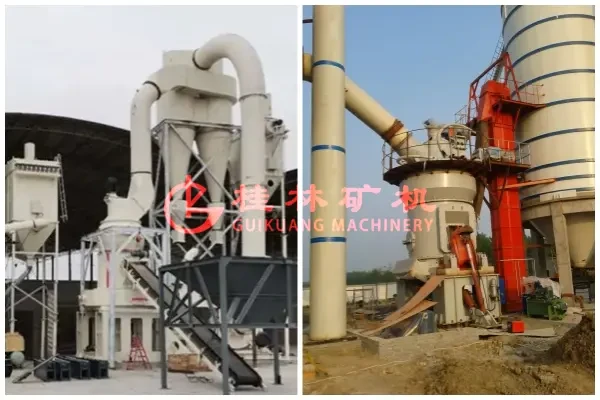
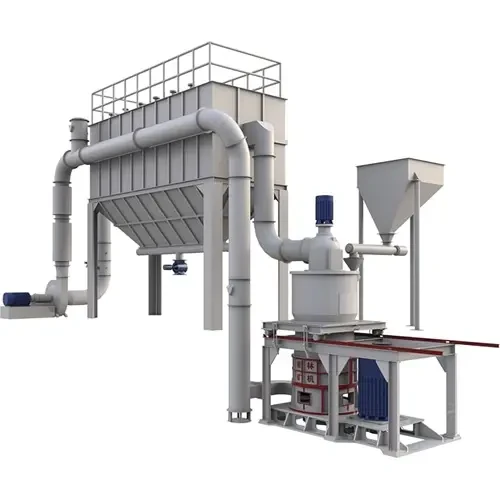
Raymond Mill: Low investment for medium & small scale production. For mass production, a pre-designed multi-machine parallel operation system is required.
How to Control Product Fineness of Vertical Roller Mill?
Product fineness is mainly controlled by adjusting classifier speed, system air volume and water injection quantity inside mill. Higher speed leads to finer product; larger air volume leads to coarser product.
What Causes Mill Choking of Vertical Roller Mill?
Mill choking (overfilled mill) refers to excessive mill load and abnormal vibration caused by over-feeding, over-wet material or insufficient system air volume. Immediately reduce or stop feeding and increase air volume. If ineffective, shut down for material cleaning and optimize operating parameters.
 Home
 Products
 About
 Call