

Iron Ore Grinding Mill and Production Line Process
- Time:2026-09-24
- Views:4
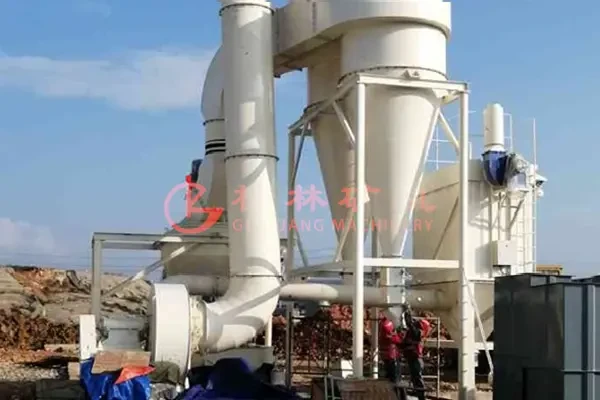
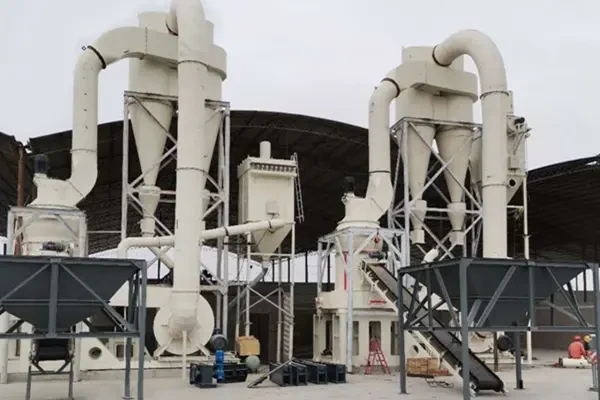
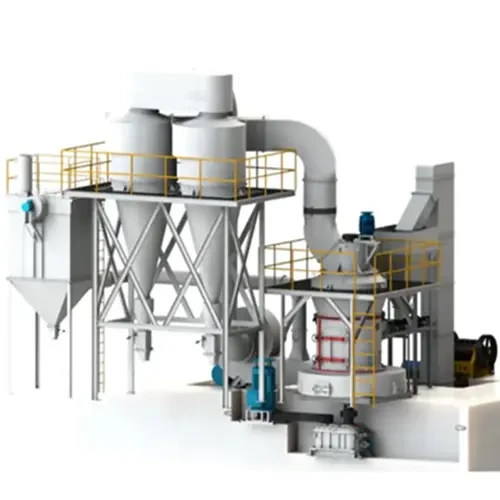
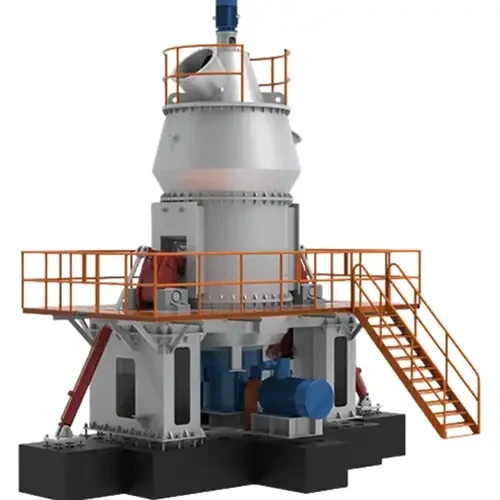
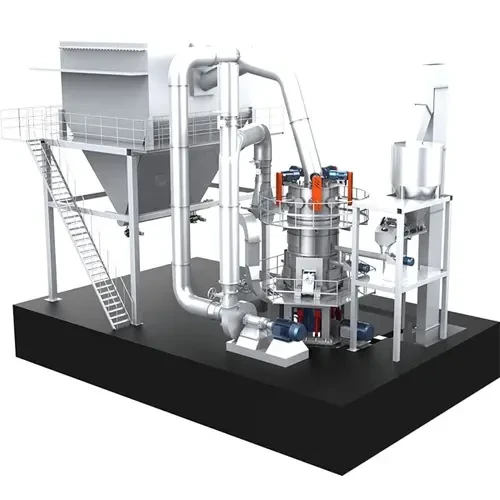
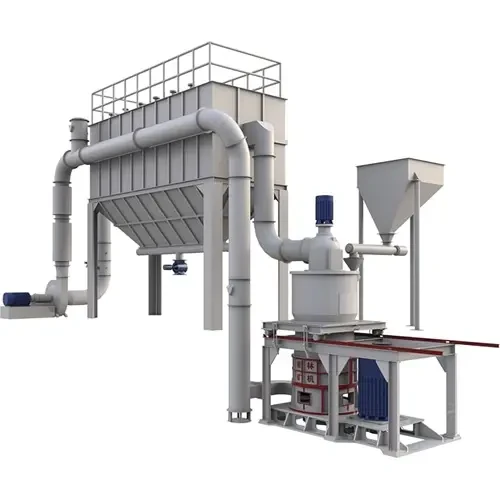
Iron Ore Grinding Mill refers to equipment used to grind iron ore into powder. Hardness is the key factor for grinding mill selection. Raymond Grinding Mill is suitable for processing soft iron ore such as limonite, while Ball Mill is good at handling high-hardness iron ore like magnetite and hematite. Before feeding raw materials into the mill, multi-stage crushing shall be carried out by equipment such as Jaw Crusher and Cone Crusher.
What is Iron Ore?
Iron ore is not pure iron. It is rock composed of iron compounds such as oxides, sulfides or carbonates, together with gangue minerals with little or no iron such as quartz, clay and mica. This kind of rock is the raw iron ore mined in the mining industry (such as magnetite and hematite). The Mohs hardness of iron ore is usually between grade 4 and grade 7. It features hard texture and strong abrasiveness with a density of about 3.6 to 5.5 g/cm³. Its industrial value is determined by gangue components (such as silicon and aluminum) and impurity content (especially sulfur and phosphorus).
Precautions for Iron Ore Grinding Production Line
Multi-stage Crushing: Iron ore has hard texture and generally needs multi-stage crushing treatment to gradually crush raw iron ore to ≤20 mm so as to reduce the working load of the grinding mill.
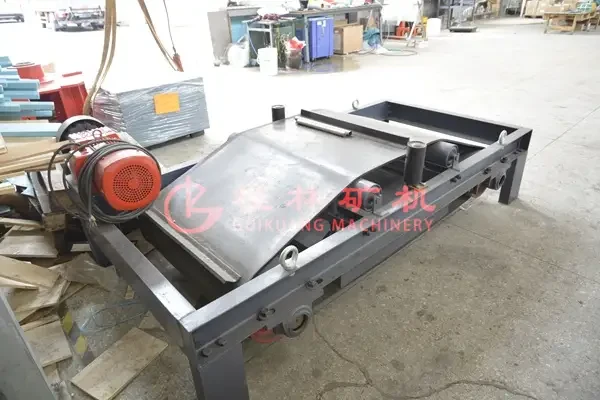
Iron Overload Protection: Residual metal blocks may be mixed in iron ore after multi-stage crushing. If they enter the grinding mill, the grinding components will be seriously damaged. Therefore, high-intensity iron removers must be installed on the conveyor belt to remove metal impurities in a timely manner.
Mineral Processing and Impurity Removal: To guarantee the quality of finished iron concentrate powder, the ground powder needs mineral processing and purification. Magnetic separation serves as the core process for magnetite, which directly separates gangue impurities such as quartz and clay by magnetic difference. Flotation process is only used for deep removal of harmful elements such as sulfur and phosphorus. Hematite has weak magnetism, so combined processes of gravity separation, high-intensity magnetic separation and flotation must be adopted to separate and strip gangue step by step.
Equipment Wear: High-hardness iron ore such as magnetite and hematite causes heavy wear on grinding components including grinding rollers, grinding discs and liners. Therefore, the equipment must be strengthened and upgraded with high wear-resistant materials (such as high chromium cast iron and composite ceramics) to reduce shutdown and replacement frequency.
How to Select a Suitable Iron Ore Grinding Mill?
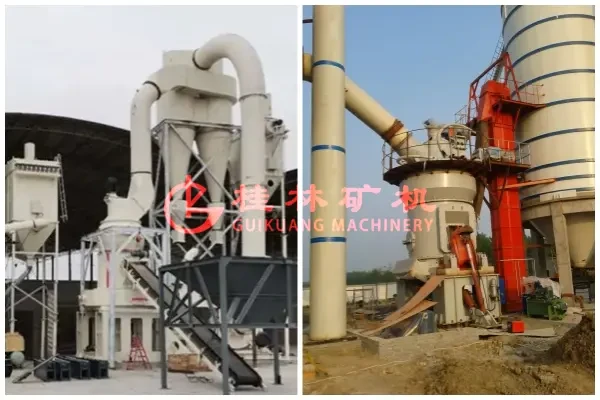
Raymond Grinding Mill Recommended for Soft Iron Ore Processing
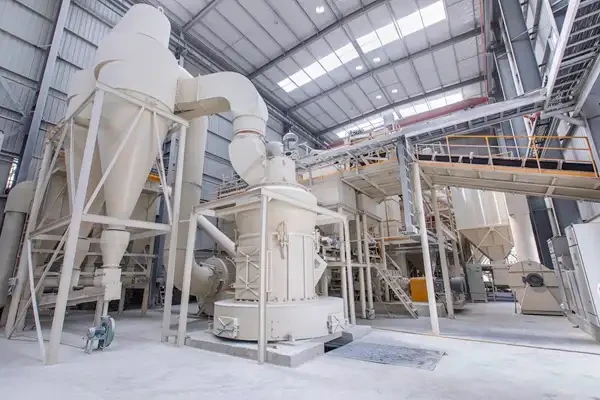
Raymond Grinding Mill has low investment cost and simple maintenance and operation, suitable for processing iron ore with low hardness (Mohs hardness 3.5 to 5). For example, when processing siderite, Raymond Grinding Mill causes slight over-grinding, which can reduce unnecessary ultra-fine powder generation and cut energy consumption. For limonite processing, if the ore moisture content is low (<6%), the air classification system of Raymond Mill can reduce fine powder adhesion and avoid mill clogging more easily than Ball Mill. It should be noted that if limonite has high moisture content (>8%), pre-drying equipment must be equipped, otherwise the air duct and classifier of Raymond Mill are more likely to be blocked.
Ball Mill Recommended for Hard Iron Ore Processing
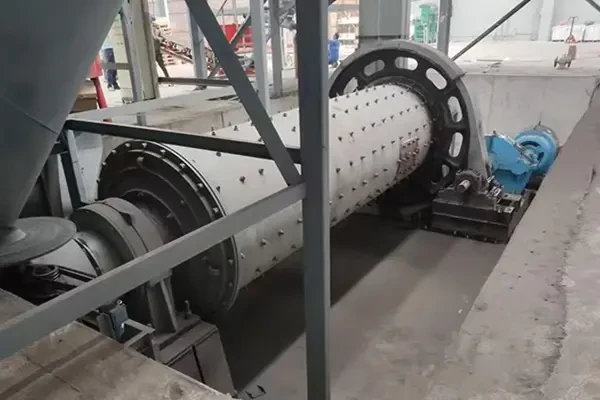
Ball Mill has excellent adaptability to high-hardness and high-abrasive materials. It is the traditional core equipment for iron ore processing, especially suitable for high-hardness iron ore (Mohs hardness 5 to 7) such as magnetite and hematite. This equipment features large single-unit throughput and stable and reliable operation. It is mainly applied in large iron ore concentrators and can provide qualified pulp for subsequent magnetic separation and flotation processes to improve the efficiency of mineral processing.
Technological Process of Iron Ore Grinding Production Line
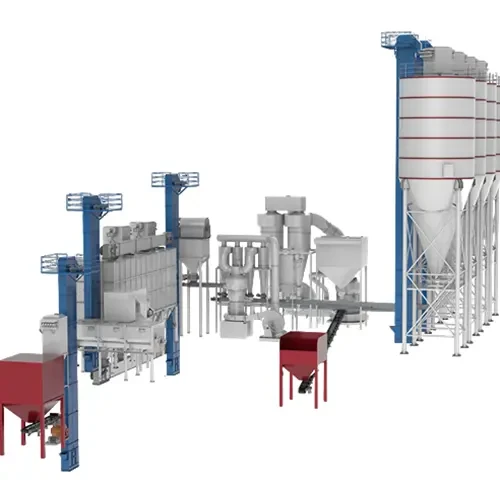
The iron ore grinding production line follows the principle of more crushing and less grinding. Raw iron ore is first subjected to primary crushing by Jaw Crusher to remove large lump impurities. Then Cone Crusher completes secondary crushing and fine crushing. The fine crushing process is matched with vibrating screen for screening. Meanwhile, iron remover removes metal impurities to ensure that the crushed iron ore raw materials meet the feeding standard of the mill.
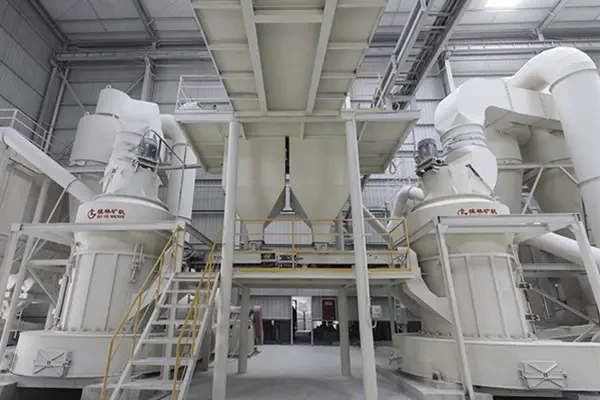
Next, qualified crushed materials are sent into the grinding mill through conveying equipment for grinding and pulverization. Qualified ground powder is collected by cyclone collector and then recovered and purified by pulse bag dust collector.
Finally, the collected powder enters the mineral processing procedure. Magnetite mainly adopts magnetic separation supplemented by flotation. Hematite uses the combined process of gravity separation, high-intensity magnetic separation and flotation. The process combination separates gangue and harmful impurities to finally obtain iron concentrate meeting metallurgical requirements. (General requirements: TFe≥63%, S≤0.1%, P≤0.05%)
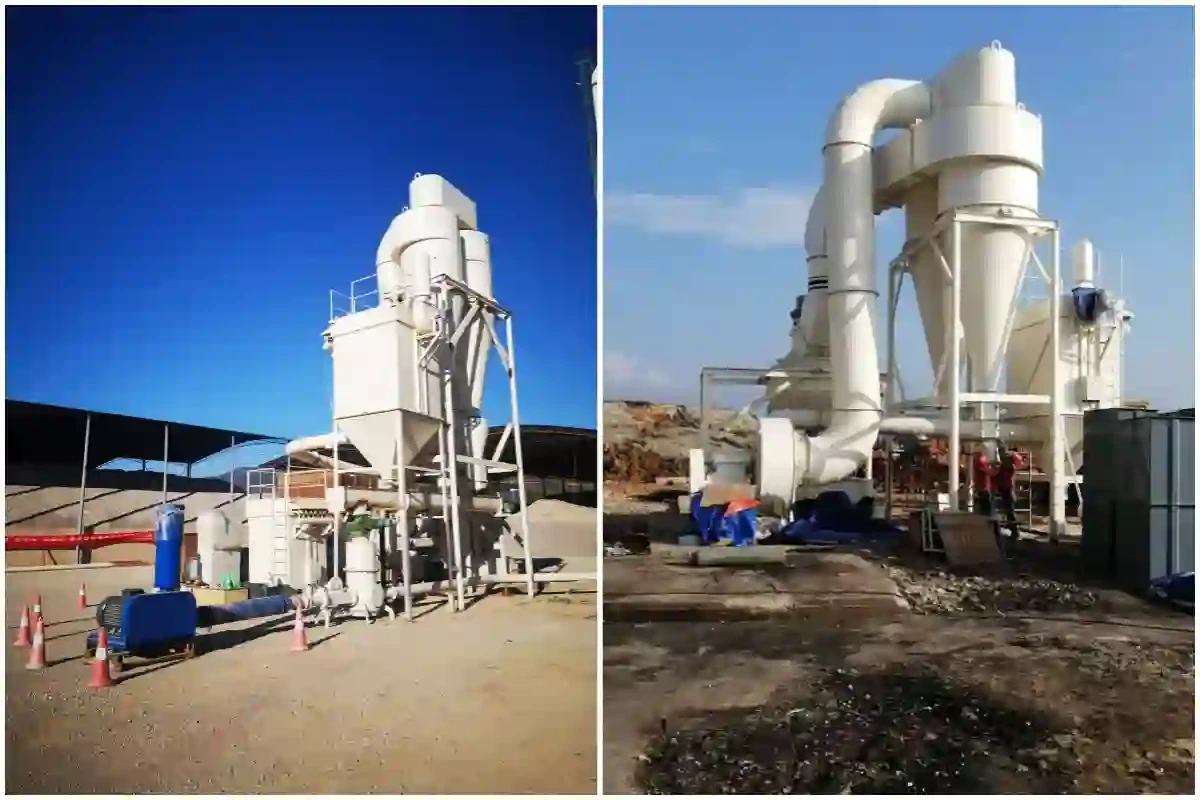
Application Scenarios of Iron Ore Grinding Mill
Frequently Asked Questions about Iron Ore Grinding
Is Finer Fineness of Finished Iron Ore Powder Always Better?
No. Excessively fine finished powder will not only increase energy consumption and ore grinding cost, but also generate excessive slime and raise dewatering difficulty. These fine slimes will absorb plenty of reagents and contaminate iron concentrate during flotation, and cause mechanical entrainment in magnetic separation, lowering the quality of finished iron concentrate.
Can Ultra-fine Grinding Mill be Used for Iron Ore Grinding?
Ultra-fine grinding mill is rarely used in iron ore processing. Conventional Raymond Grinding Mill can grind ore to 200 mesh (about 74μm), which satisfies most mineral processing requirements. Further finer grinding (such as 400 mesh) will multiply power consumption, and the over-fine slime will interfere with magnetic separation or flotation, reducing concentrate grade and recovery rate. Ultra-fine grinding is only considered in industrial tests for a few special ore types such as fine-grained disseminated hematite, and it is not recommended for conventional iron ore projects.
How to Reduce Iron Contamination of Iron Ore Grinding Mill?
The core grinding components of iron ore grinding mill (such as grinding rollers and liners) can adopt wear-resistant ceramics instead of metal materials to fundamentally eliminate iron scrap contamination. Iron removers with magnetic strength ≥12000 Gauss can be equipped to remove large iron impurities.
Which Iron Ore Grinding Mill to Choose for Magnetite Processing?
Ball Mill is recommended for magnetite processing. Raymond Grinding Mill is not suitable for magnetite with strong magnetism, because strongly magnetic materials will quickly adhere to grinding rollers, grinding rings and inner walls of pipelines to form a magnetic agglomeration layer. This will not only reduce grinding efficiency, but also cause equipment failure.
 Home
 Products
 About
 Call