

Calcium Hydroxide Grinding Mill and Production Line Process
- Time:2026-09-24
- Views:2
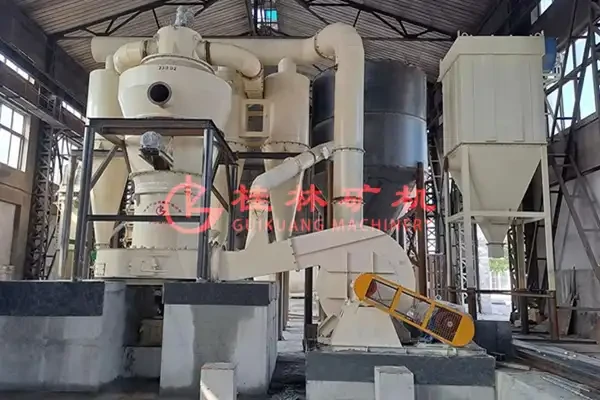
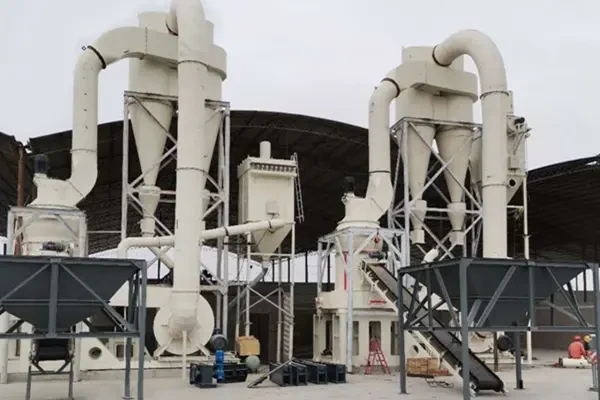
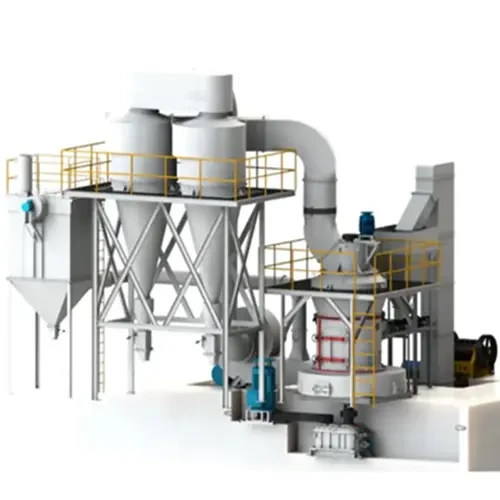
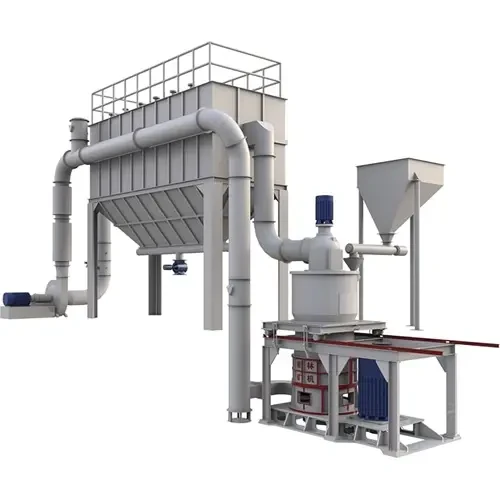
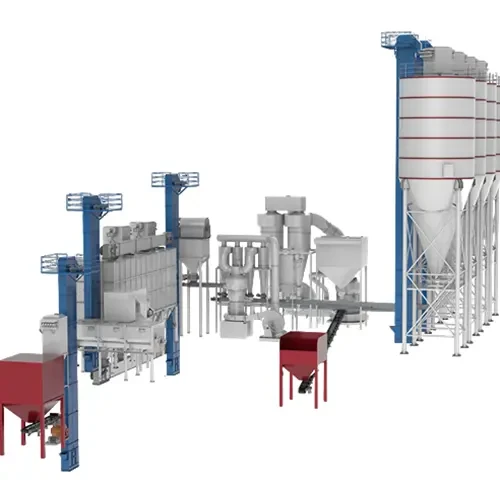
Calcium hydroxide mill refers to equipment used to grind calcium hydroxide into powder. Due to the strong adhesion of calcium hydroxide, ordinary mills cannot achieve efficient grinding, and a hydrated lime mill with an anti-sticking design for the whole system is required. A complete calcium hydroxide production line is mainly composed of a lime hydrator, calcium hydroxide classifier, hydrated lime mill, water mist dust collector and other components. The process mode should be matched according to product positioning.
What is Calcium Hydroxide?
Calcium hydroxide (chemical formula: Ca(OH)₂), commonly known as slaked lime or hydrated lime, is a strongly alkaline compound generated by the hydration reaction of quicklime (calcium oxide, CaO) with water. Its aqueous solution (lime water) has a pH value as high as 12.4 and is corrosive. It is white powder at room temperature and slightly soluble in water. Featuring strong alkalinity, high reaction activity and good adsorptive performance, it is usually processed into powder of different fineness and widely used in industrial wastewater treatment, flue gas desulfurization, construction, food additives, medical treatment and other fields.
Precautions for Calcium Hydroxide Production Line
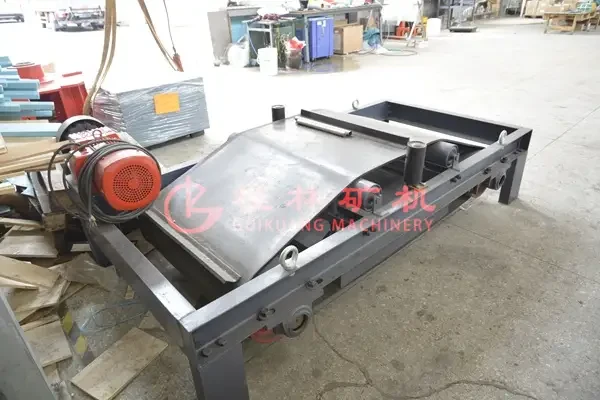
Raw Material Treatment: Quicklime raw materials generally require CaO purity (>90%), high activity and few impurities. Before feeding into the mill, raw materials must be crushed to an appropriate particle size (≤30mm) by a jaw crusher. Overburned and underburned quicklime as well as metallic impurities are removed through vibrating screens, iron removers and other equipment to ensure uniform particle size and qualified purity.
Hydration Process: For the hydration reaction, the water-lime ratio needs precise control (generally mixed at 0.6:1 to 0.8:1). Meanwhile, optimize hydration temperature, water adding speed and stirring intensity to ensure sufficient and uniform reaction between quicklime and water, so as to obtain calcium hydroxide with high specific surface area and high activity. The homogenized calcium hydroxide also needs static aging for 8~24 hours to allow tiny incompletely hydrated particles to fully react and further increase the specific surface area. It should be noted that hydration time and aging time depend on the quality requirements of finished calcium hydroxide powder; longer duration does not guarantee better quality.
Dust Treatment: Calcium hydroxide dust causes alkaline irritation. A pulse bag dust removal system must be installed at dust emission points to meet dust concentration standards. At present, advanced industry technologies adopt pulse water mist dust removal technology. Preliminary dust collection is completed by a pulse bag dust collector, followed by multiple purification and heat recovery via a water mist dust collector. While promoting the hydration reaction and improving product quality, ultra-low dust emission is realized. It can also moderately reduce requirements on high temperature resistance and anti-adhesion properties of filter bags and cut equipment operating costs.
Packaging and Storage: Finished calcium hydroxide powder adopts sealed moisture-proof packaging to prevent it from absorbing moisture and carbon dioxide in the air to generate calcium carbonate, which will reduce activity. It should be stored in dry and ventilated warehouses with strict moisture protection, and mixed storage with acidic substances is strictly prohibited.
How to Choose a Suitable Calcium Hydroxide Mill?
Calcium hydroxide slurry produced by lime hydration has extremely strong adhesion. Conventional mills cannot process it efficiently and are prone to adhesion and blockage. A dedicated hydrated lime mill with full-system anti-sticking design shall be adopted for grinding.
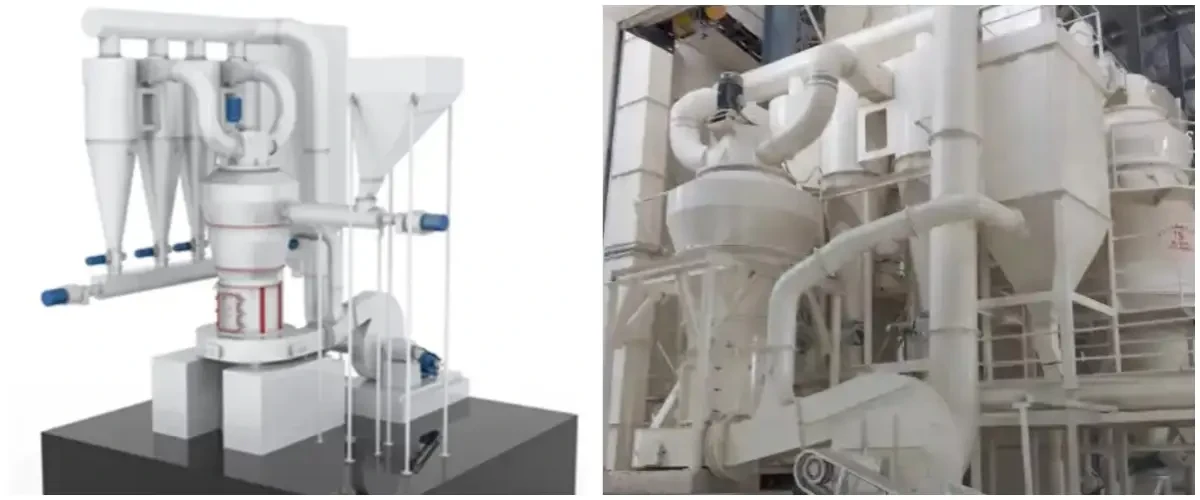
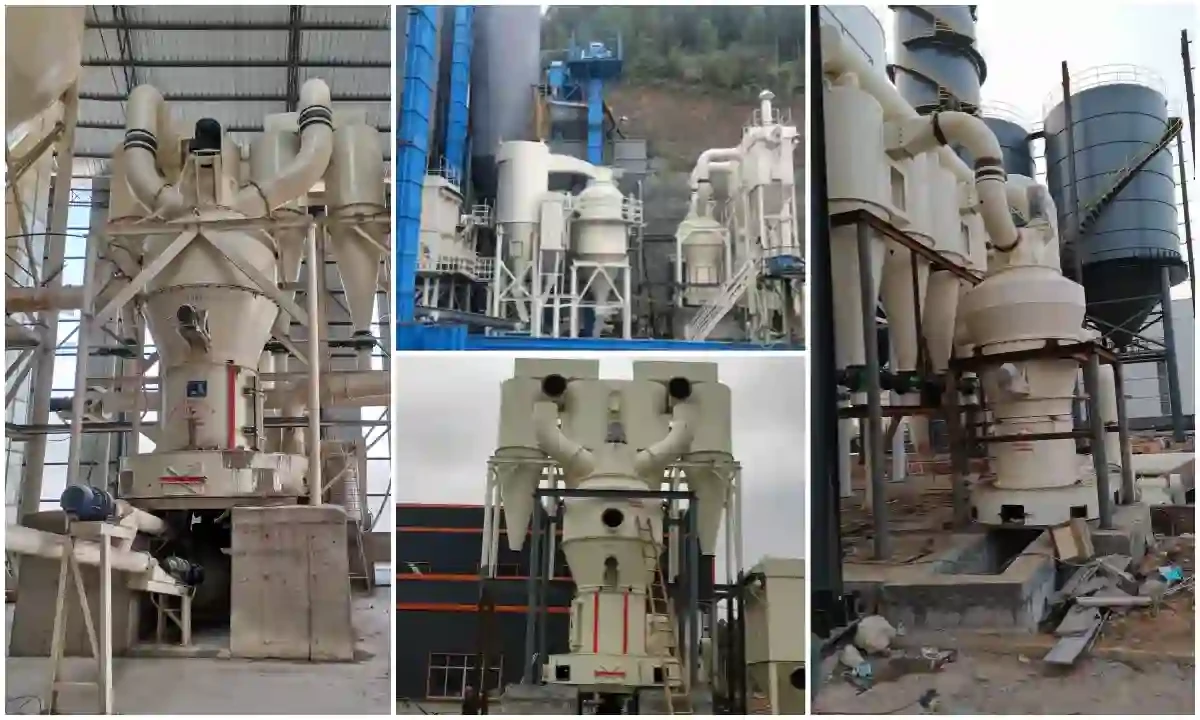
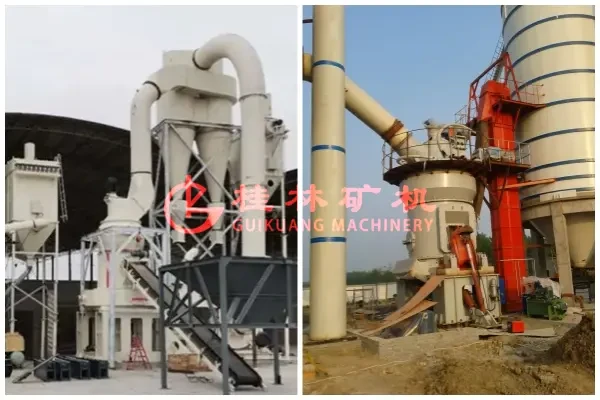
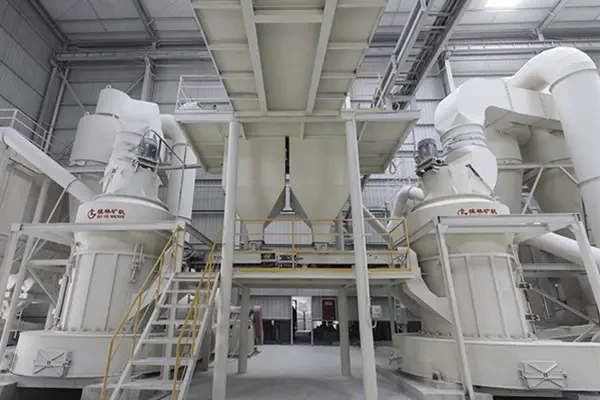
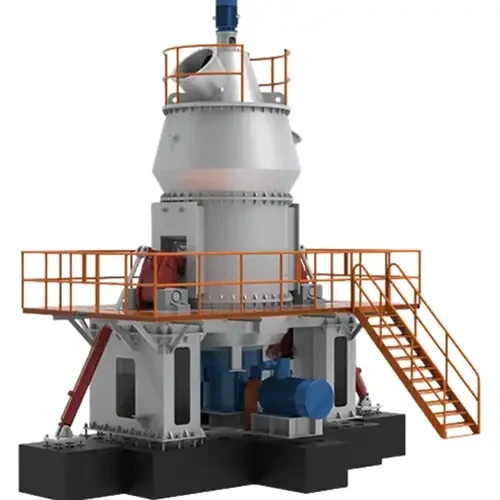
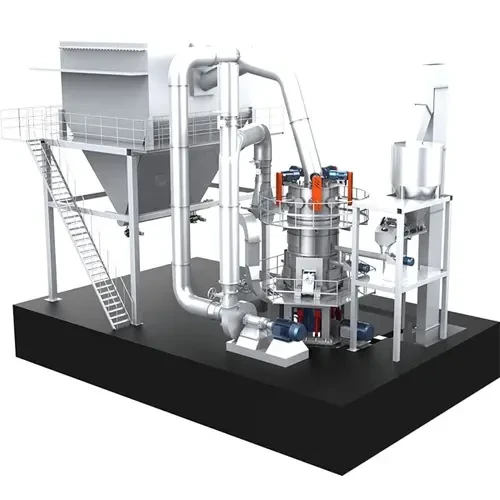
A hydrated lime mill is special grinding equipment designed for the characteristics of calcium hydroxide such as light texture, easy adsorption and strong viscosity. Developed on the basis of the Raymond mill, it adopts full-system anti-sticking design and multi-dispersion technology. By optimizing the main chamber shape, shovel structure and fan system of the Raymond mill, it effectively solves the processing problems of ordinary mills and serves as the key equipment for producing high-quality (high activity, high fineness) calcium hydroxide powder.
Ordinary Calcium Hydroxide Production: Grinding by a hydrated lime mill is optional. Materials can be directly classified by a calcium hydroxide classifier while coarse powder is discharged. The process is simple with low investment cost, suitable for fields with low requirements on powder fineness and purity such as construction mortar and wall putty powder.
Industrial-grade Calcium Hydroxide Production: Grinding by a hydrated lime mill is required. The finished calcium hydroxide powder features uniform purity and fineness, suitable for general industrial manufacturing fields such as plastics and rubber.
Environmental-grade Calcium Hydroxide Production: A hydrated lime mill is generally unnecessary. A calcium hydroxide classifier is usually used for classification. Unqualified coarse powder after separation is returned to the lime hydrator for further hydration. The finished calcium hydroxide powder has high activity and fast reaction rate, applicable to common environmental protection fields such as power plant desulfurization and wastewater treatment.
High-end Calcium Hydroxide Production: A calcium hydroxide classifier is used for classification together with a hydrated lime mill for grinding. The finished calcium hydroxide has high activity, high fineness and high specific surface area, suitable for high-end fields such as food, medicine and advanced environmental governance.
Process Flow of Calcium Hydroxide Production Line
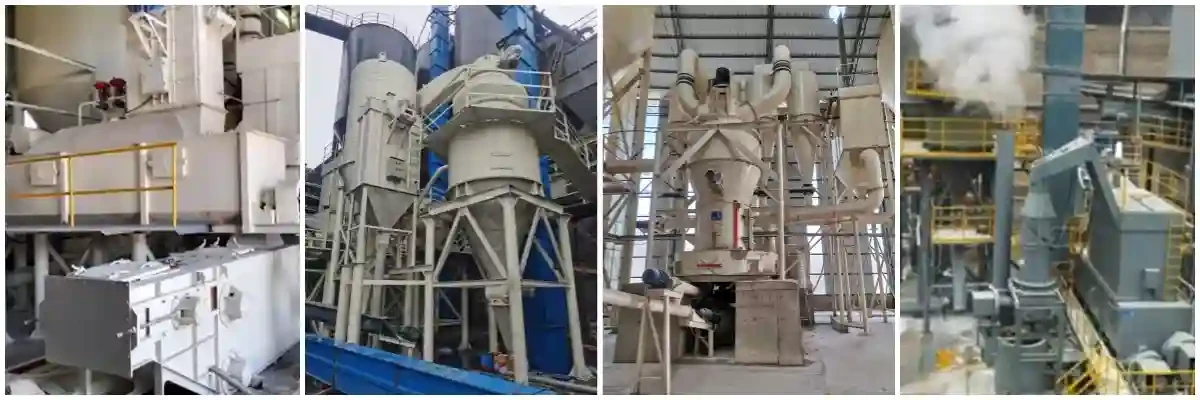
A complete calcium hydroxide production line is mainly composed of a lime hydrator, calcium hydroxide classifier, hydrated lime mill and water mist dust collector. Calcined quicklime is crushed by a jaw crusher and screened by a vibrating screen to meet feeding requirements. Afterwards, it is quantitatively fed into the lime hydrator (double-shaft agitator + single-shaft agitator). By precisely controlling the water-lime ratio, reaction temperature, hydration time, stirring intensity and other factors, high-activity calcium hydroxide is generated. To produce calcium hydroxide with higher activity and larger specific surface area, a two-stage lime hydrator (twin agitator + chain stirring hydrator) can be adopted.
The hydrated calcium hydroxide is a mixture of qualified finished products and oversize particles and can be directly classified. Customers can flexibly equip calcium hydroxide classifier (front process) and hydrated lime mill according to product demands to produce calcium hydroxide of different grades (industrial, environmental, food, etc.). It is recommended to combine pulse dust collector and water mist dust collector for the dust removal system. With pulse water mist dust removal technology, ultra-low emission (exhaust gas concentration ≤10mg/m³) can be realized while improving production efficiency.
Application Scenarios of Calcium Hydroxide Mill
Frequently Asked Questions about Calcium Hydroxide Grinding
Is a Calcium Hydroxide Mill Necessary for Calcium Hydroxide Production?
Not all calcium hydroxide production lines require a calcium hydroxide mill. The grinding process is designed to improve powder fineness, purity and added value. For fields with low fineness requirements such as construction mortar and putty powder, the hydration + classification process can be directly adopted. This mode has a simple workflow and low investment cost.
Does finer grinding of calcium hydroxide mean higher specific surface area?
No. Powder fineness is not equivalent to specific surface area. A lime hydrator is used to improve the activity and pore structure quality of calcium hydroxide, which is the foundation for producing calcium hydroxide with high specific surface area. Micropores inside powder are formed during the hydration stage. A calcium hydroxide mill crushes and refines large calcium hydroxide particles, breaks up agglomerates, optimizes particle size distribution, increases external contact area of particles, and improves powder fluidity and reaction dispersion effect. Grinding can only increase the external surface area of particles instead of generating internal micropores. Over-grinding of formed porous calcium hydroxide with high specific surface area will collapse pores and reduce specific surface area and desulfurization activity.
Can a Calcium Hydroxide Mill grind purchased calcium hydroxide?
It is feasible to grind purchased calcium hydroxide. However, the initial investment is much higher than directly buying finished calcium hydroxide, and the quality of ground calcium hydroxide may not be better. The production of high-quality calcium hydroxide relies on the complete set of calcium hydroxide production line process. Small-scale customers are recommended to purchase finished calcium hydroxide powder directly, while customers for industrial production or with strict quality requirements are advised to choose the complete calcium hydroxide production line.
 Home
 Products
 About
 Call