

Aluminum Dross Grinding Mill and Production Line Process
- Time:2026-11-11
- Views:0
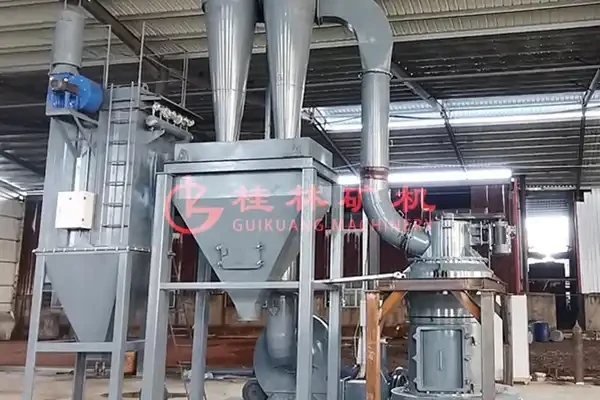
Aluminum dross grinding mill is equipment used to grind aluminum dross into powder. For primary aluminum dross, the combined process of ball mill for coarse grinding and dissociation plus Raymond mill for fine powder making is commonly adopted. Vertical roller mill is preferred for secondary aluminum dross, following the process sequence: grinding first, calcination next, and regrinding finally. The production line shall run in a closed negative-pressure environment with reliable explosion-proof measures and environmental protection arrangements.
What is Aluminum Dross?
Aluminum dross is solid waste generated in aluminum industry, originating from electrolytic aluminum production, recycled aluminum smelting, aluminum casting and other processes involving molten aluminum. Based on aluminum content and treatment stage, aluminum dross is divided into primary aluminum dross and secondary aluminum dross.
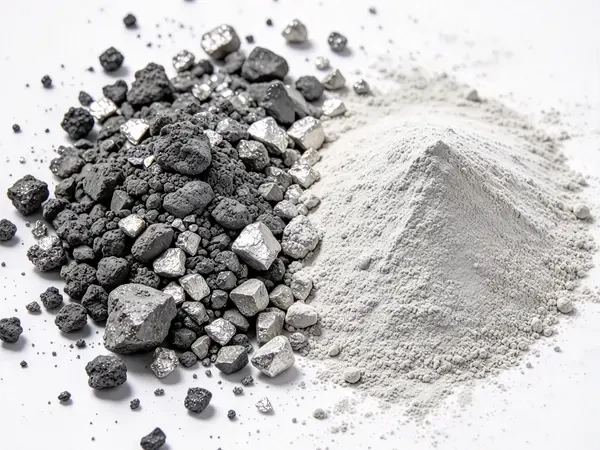
Primary Aluminum Dross: It is directly produced during recycled aluminum smelting and electrolytic aluminum tapping, featuring high metallic aluminum content (15%~70%), loose texture and few impurities. It is mainly used for metallic aluminum recovery.
Secondary Aluminum Dross: It is the residual slag after aluminum recovery from primary aluminum dross, with low aluminum content (3%~20%). It contains harmful impurities such as alumina, aluminum nitride and salts. After grinding, it requires high-temperature calcination (1100~1300℃) to realize harmless resource utilization.
Notes for Aluminum Dross Grinding Production Line
Raw Material Treatment: Metallic aluminum and aluminum nitride in aluminum dross will release flammable and explosive gases such as hydrogen and ammonia when contacting water. Raw material moisture shall be controlled ≤5% before processing. Iron remover is equipped to remove ferrous impurities and prevent sparks caused by collision of metal foreign matters.
Safety & Explosion Protection: Aluminum powder may explode when reaching a certain concentration and exposed to open flame. Processing shall be carried out under closed negative pressure. Inlet air temperature for grinding shall be controlled ≤80℃. Anti-static filter bags (surface resistance 10⁹Ω), temperature monitoring devices and explosion venting ports are mandatory. Gas detection and forced ventilation systems shall be installed in the workshop, and open flame is strictly prohibited.
Environmental Protection: According to the National Hazardous Waste Catalogue (2021 Edition), aluminum dross is classified as hazardous waste with waste codes 321-024-48 and 321-026-48. The whole grinding process must be equipped with pulse bag dust collector and tail gas purification system to remove ammonia and other harmful gases. Wastewater and residues generated during processing shall be handled in strict accordance with regulations.
Equipment Abrasion: Aluminum dross contains hard impurities like alumina and corundum phase. Besides, metallic aluminum tends to adhere to equipment surfaces. Core grinding components including grinding roller and grinding ring of the mill shall adopt high-chromium alloy and other wear-resistant and anti-adhesion materials.
How to Select Suitable Aluminum Dross Grinding Mill?
Selection for Primary Aluminum Dross Grinding Mill
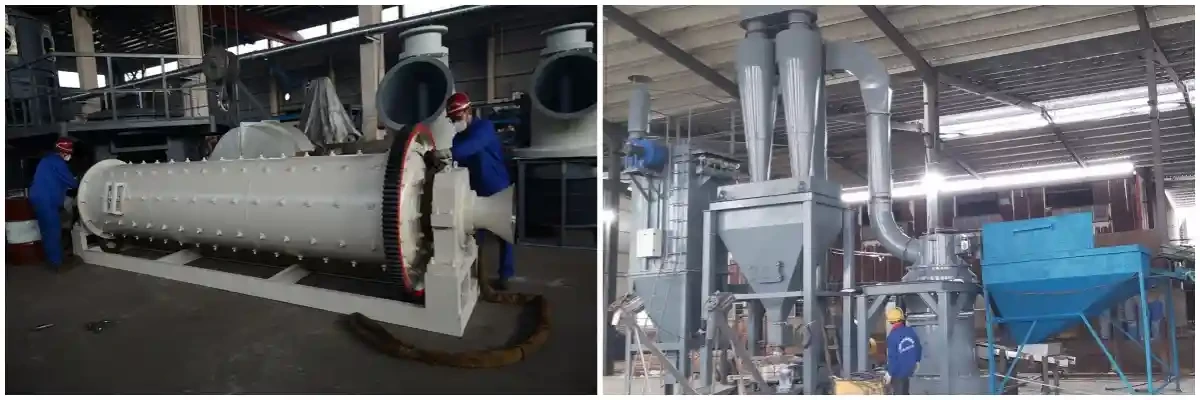
Primary aluminum dross has high aluminum content. Grinding aims to recover metallic aluminum, so aluminum dissociation and recovery shall be prioritized. The mainstream process adopts ball mill for coarse grinding and Raymond mill for fine grinding. The ball mill breaks agglomerates and dissociates metallic aluminum wrapped in slag, while Raymond mill performs fine grinding. This combination balances metal recovery rate and grinding efficiency, suitable for most small and medium-sized primary aluminum dross treatment projects. For large-scale and ultra-fine powder production, the process combination of ball mill plus vertical roller mill / ultra-fine grinding mill is recommended.
Selection for Secondary Aluminum Dross Grinding Mill
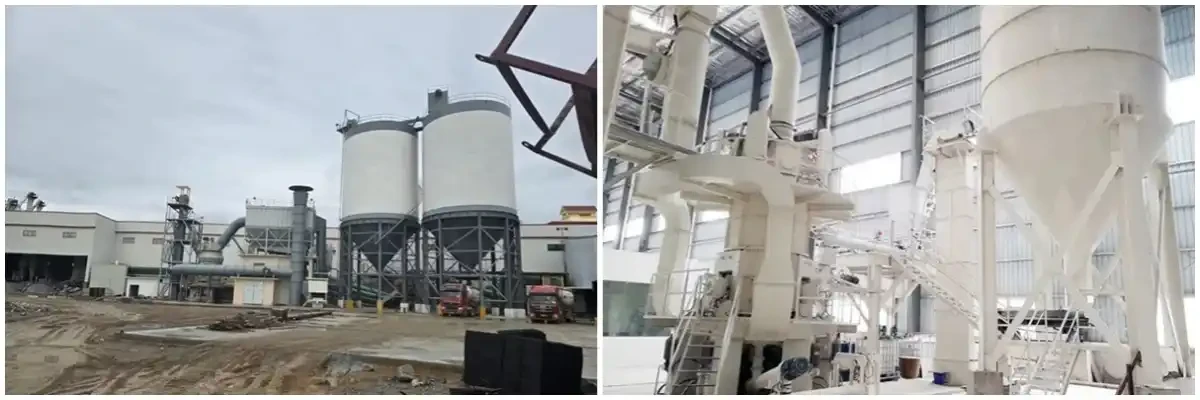
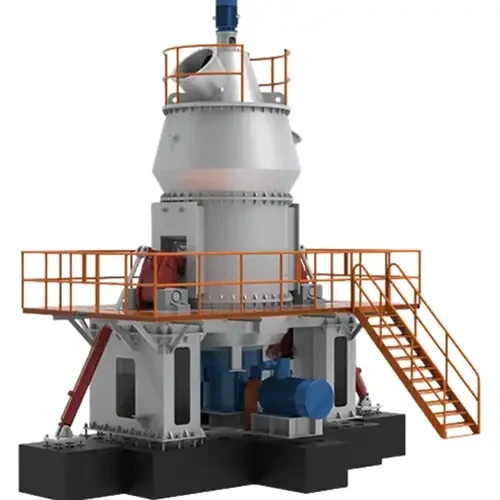
Secondary aluminum dross has low aluminum content. Its grinding target is harmless resource utilization without requirement for metal dissociation. Stable large-volume powder production at low cost is the core demand. Vertical roller mill is the preferred option. It features strong drying capacity and fully closed negative-pressure system, which meets strict requirements for hazardous waste treatment in environmental protection and safety. Its reversible roller sleeve extends service life. Despite higher initial investment, it consumes less power and delivers lower long-term O&M cost, ideal for secondary aluminum dross projects with capacity above 20t/h. Ultra-fine vertical roller mill is the first choice for ultra-fine powder production. Note: vertical roller mill / ultra-fine vertical roller mill is only the preferred solution; Raymond mill and ultra-fine ring roller mill can also achieve efficient grinding.
Process Flow of Aluminum Dross Grinding Production Line
Process Flow for Primary Aluminum Dross Grinding Line
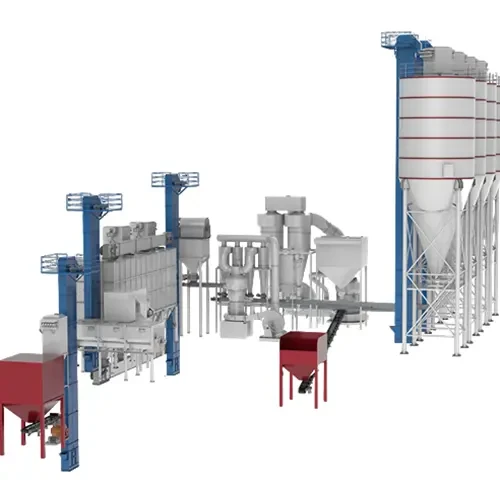
The primary aluminum dross grinding line mainly adopts a two-stage process: ball milling for coarse dissociation and Raymond milling for fine powder making. Raw material is crushed by jaw crusher to meet feeding size, iron impurities are removed by iron remover and moisture is controlled ≤5%. After crushing, materials enter the ball mill, where steel balls impact and roll metallic aluminum into granules to separate aluminum from slag.
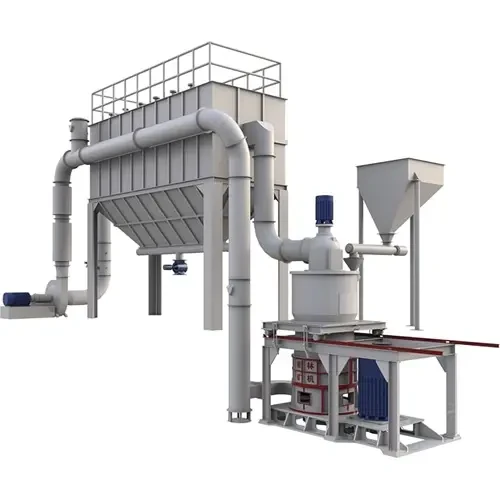
Then the dissociated aluminum dross is screened by vibrating screen. Aluminum granules larger than 4mm are directly recovered for remelting. Fine fractions ≤4mm are fed into Raymond mill for grinding and classification. Qualified fine powder goes with airflow into cyclone collector for gas-solid separation, and exhaust gas is treated by pulse bag dust collector and tail gas purification system before discharge.
Process Flow for Secondary Aluminum Dross Grinding Line
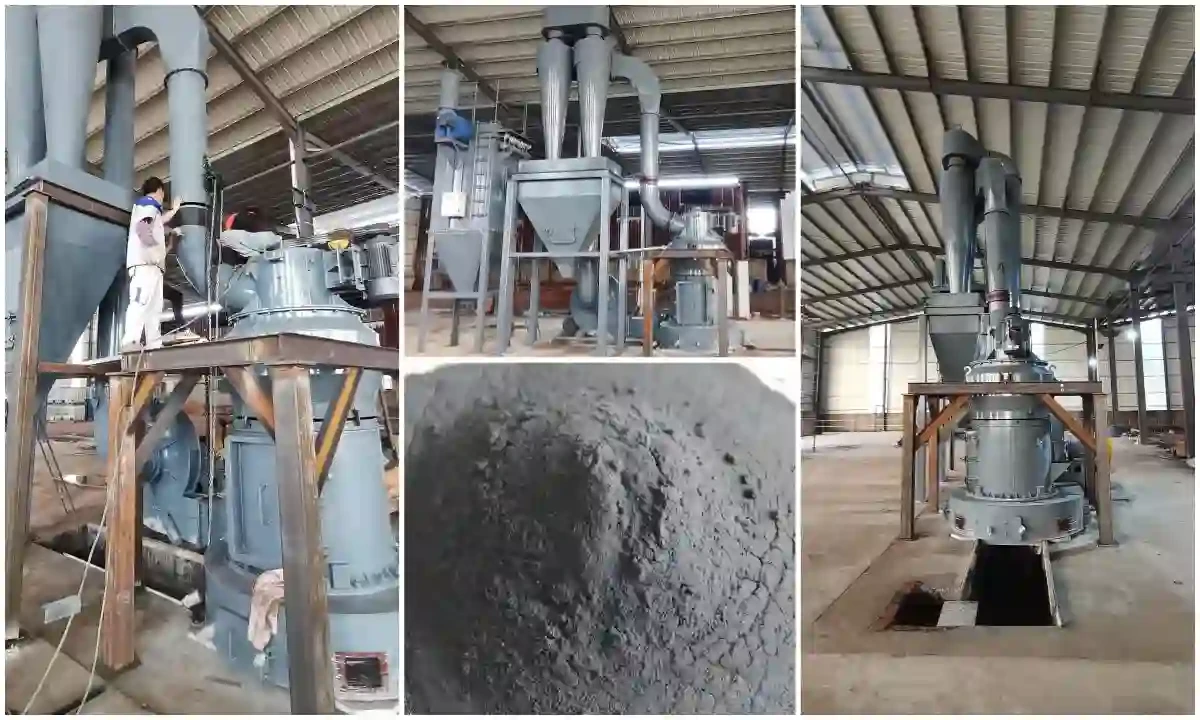
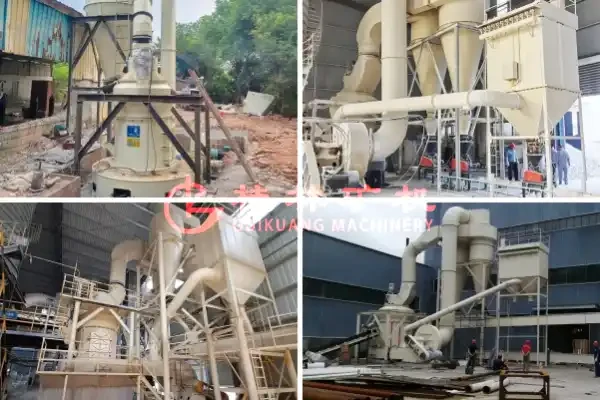
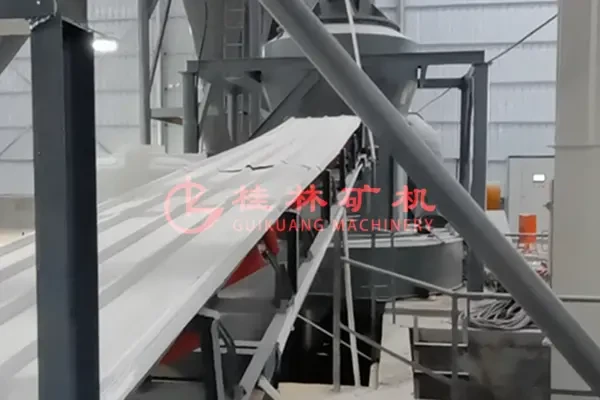
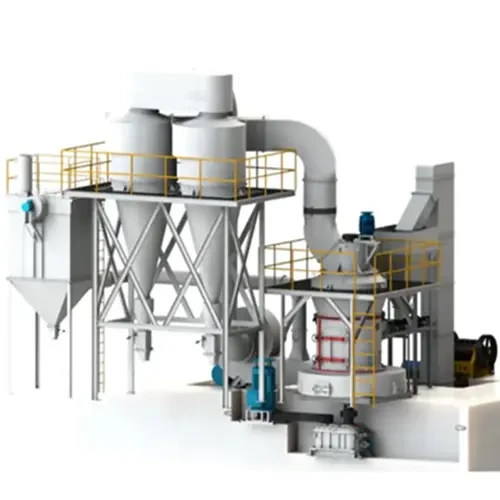
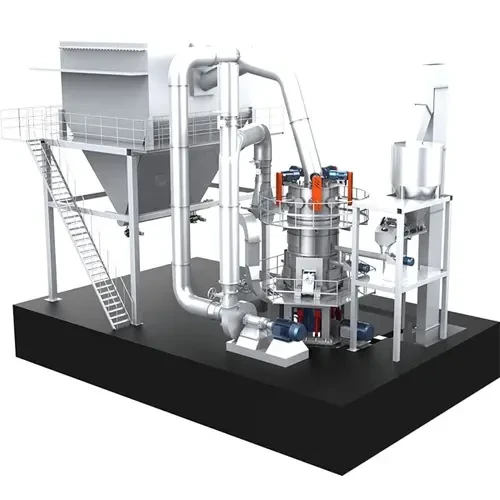
Vertical roller mill is the core equipment for secondary aluminum dross grinding line. Raw material is crushed by jaw crusher to required feeding size, deironed, then conveyed by feeder into vertical roller mill for grinding and classification. Hot air fed into the mill directly dries aluminum dross with incoming moisture of 8%~15%. Qualified fine powder is collected by cyclone collector, and exhaust gas is purified by pulse bag dust collector and tail gas system before discharge.
Due to harmful impurities contained in secondary aluminum dross, the fine powder will be sent into rotary kiln for high-temperature calcination (1100~1300℃), realizing triple conversion: metallic aluminum oxidation, aluminum nitride decomposition and fluoride immobilization. Calcined aluminum dross tends to agglomerate, so regrinding is required to obtain finished fine powder.
Application Scenarios of Aluminum Dross Grinding Mill
FAQ about Aluminum Dross Grinding
Can primary aluminum dross be processed directly by Raymond Mill?
Raymond mill can process primary aluminum dross directly, yet metallic aluminum is highly ductile. Since Raymond mill works mainly by compression grinding, its dissociation performance is inferior to ball mill. Strict control over moisture and impurities is required in pre-treatment. The mainstream solution remains ball mill dissociation + Raymond mill fine grinding. This combination efficiently dissociates aluminum dross and directly screens high-value coarse aluminum granules via vibrating screen, avoiding ineffective and over-grinding.
Is the combination of ball mill and Raymond Mill costly for aluminum dross processing?
In terms of initial investment, the combined solution costs more than a single Raymond mill. However, the purpose of primary aluminum dross grinding is to recover high-value metallic aluminum. The combined process achieves much higher production efficiency and aluminum recovery rate. It delivers better cost performance for long-term stable industrial production.
Why not calcinate secondary aluminum dross first and then grind?
After crushing, secondary aluminum dross still exists as large lumps. Direct calcination leads to high energy consumption, uneven and slow reaction together with potential safety risks. The commonly adopted route is grinding first, calcination next and regrinding finally. The first grinding ensures thorough calcination, and the second grinding produces qualified finished fine powder.
 Home
 Products
 About
 Call