

Turbine Classifier
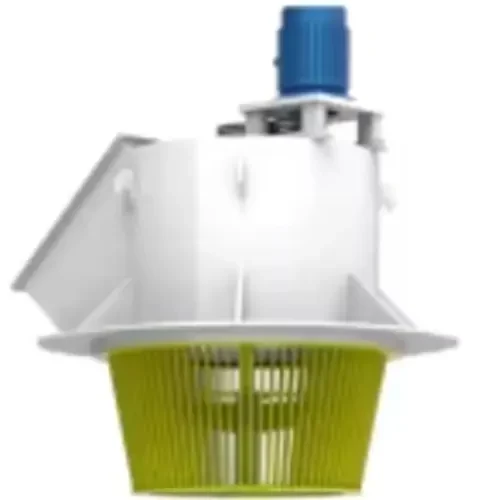
Function Description:The turbine classifier creates a centrifugal force field through a high-speed rotating classification turbine. It realizes accurate particle size separation of the upward gas-powder mixture by the interaction between centrifugal force and airflow drag force.
Suitable Materials:Limestone, marble, calcite, barite, bentonite, kaolin, bauxite, talc, gypsum, graphite, quicklime, calcium carbonate, activated carbon, etc.
Turbine Classifier Introduction
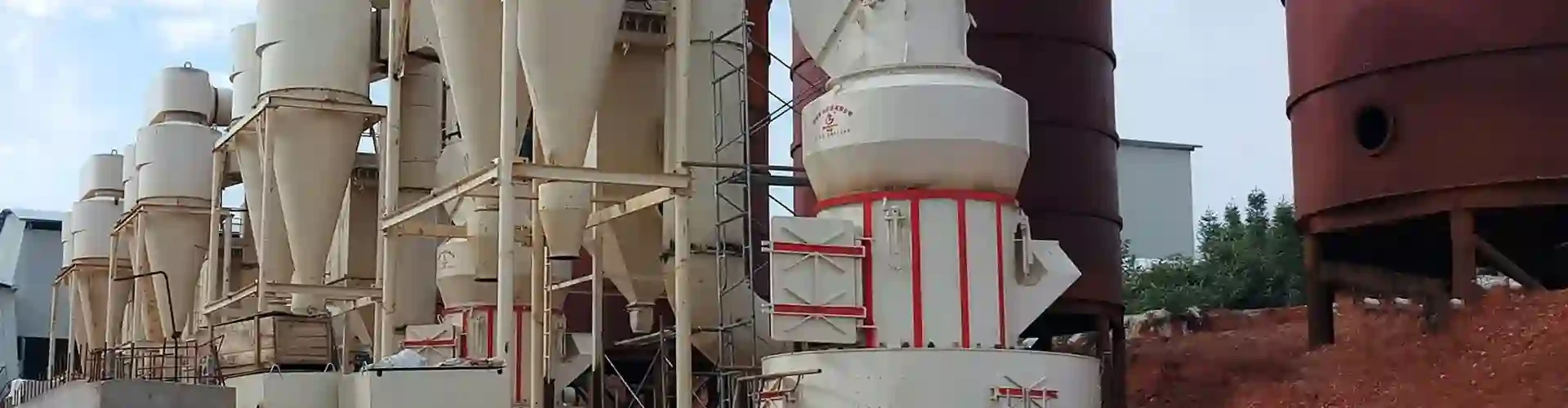
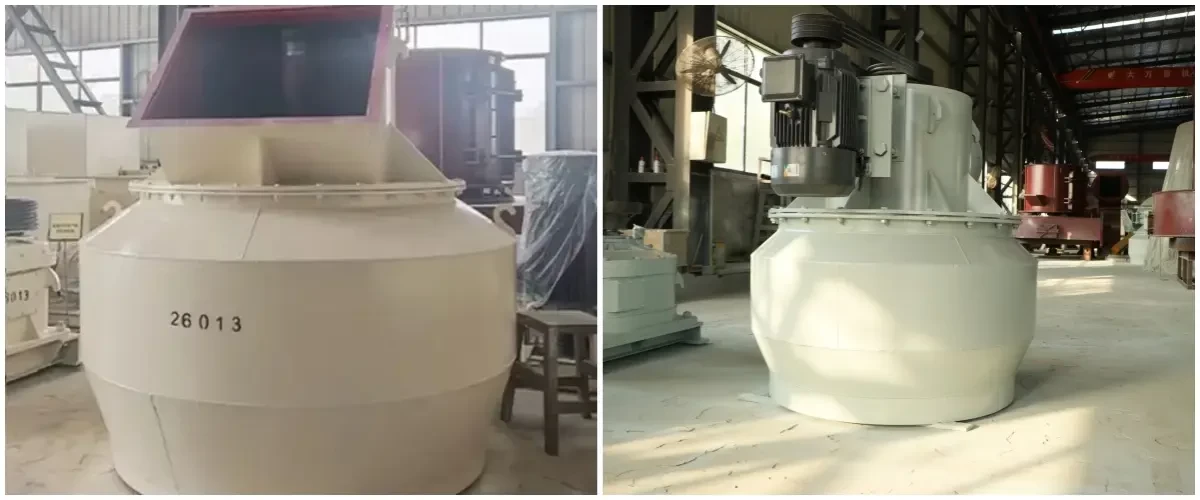
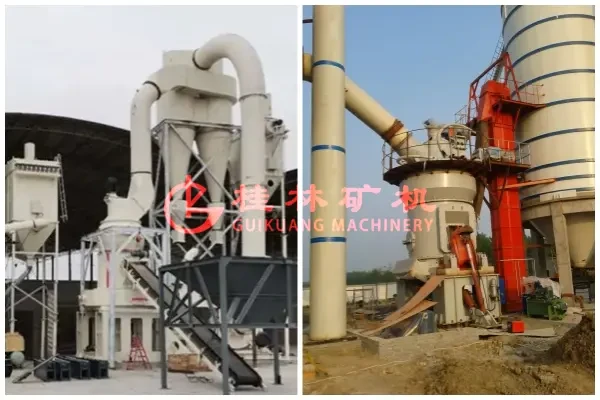
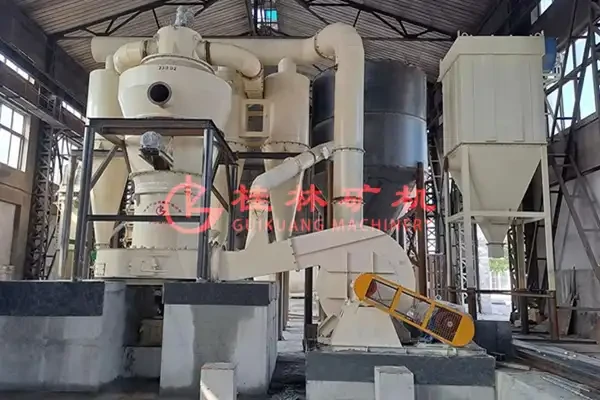
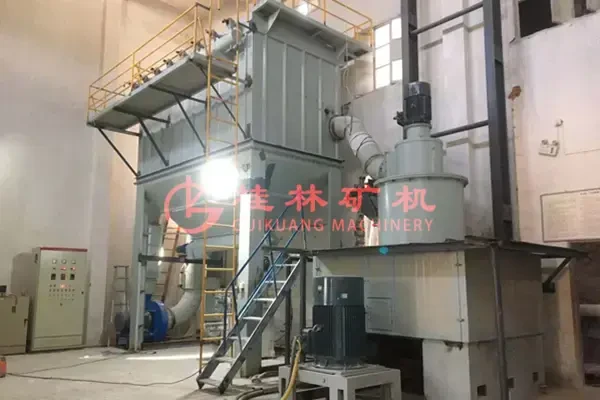
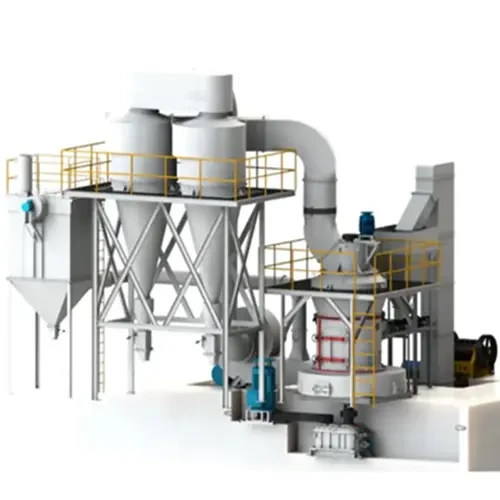
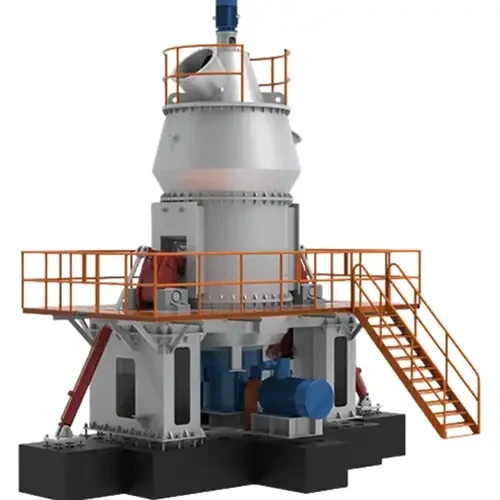
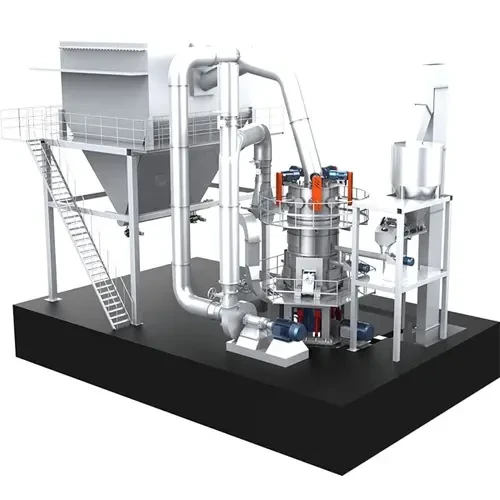
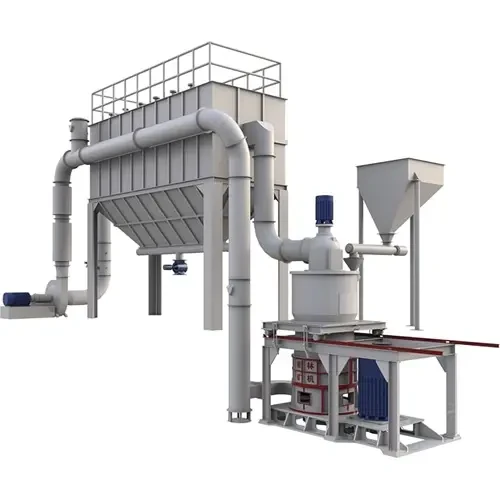
The turbine classifier, full name centrifugal turbine classifier, is standard closed-circuit supporting classification equipment for Raymond grinding mills and vertical grinding mills. The equipment builds a centrifugal force field through a high-speed rotating classification turbine. By utilizing the interaction between centrifugal force and airflow drag force, it achieves accurate particle size separation of the upward gas-powder mixture. Featuring strong versatility, outstanding cost performance, simple operation and adjustment, convenient maintenance and a wide range of applicable materials, it can carry out efficient classification operations for various non-metallic mineral powders such as limestone, marble, calcite and barite.
Turbine Classifier Features & Advantages
High Integration: As standard supporting classification equipment for Raymond grinding mills and vertical grinding mills, it can be directly connected to the flange on the upper part of the main mill and share the system air circuit. The whole machine features compact structure and small footprint. On-site installation is simple, eliminating complicated external pipeline layout and reducing infrastructure investment.
Flexible Adjustment: The classification turbine is driven by a variable-frequency motor with continuously stepless adjustable rotating speed. The fineness of finished powder can be quickly switched and adjusted. No shutdown or parts replacement is required during production, adapting to flexible production conditions with multiple materials and various particle size specifications.
Easy Maintenance: The whole machine adopts mature and stable structure with few wearing parts, leading to low daily operation and maintenance costs. It is a cost-effective classification solution for conventional powder processing of non-metallic minerals including limestone, calcite and barite.
Stable Quality: The equipment forms a closed-circuit production system together with the grinding host. Qualified fine powder is separated and discharged in a timely manner, effectively suppressing material over-grinding. The finished powder features uniform particle size distribution. While lowering system energy consumption, it improves the output of the grinding line and finished product quality simultaneously.
Working Principle of Turbine Classifier
The turbine classifier shares the air circuit system with the grinding mill. Mixed ground powder rises with system airflow and enters the top classifier. The high-speed rotating turbine rotor inside the classifier forms a stable centrifugal force field. Particles of different sizes are separated under the combined effect of centrifugal force and airflow drag force: fine particles meeting the particle size requirement pass through gaps between classification wheel blades and enter the finished product collection system with airflow. Unqualified coarse particles are thrown toward the cylinder wall by turbine centrifugal force, lose velocity, fall down along the cylinder wall and return to the grinding chamber for re-grinding.
The system precisely controls finished particle size by adjusting the rotating speed of classification turbine via frequency conversion: higher rotating speed brings stronger centrifugal force and finer passable particles; lower rotating speed results in coarser finished particle size.
Application Scenarios of Turbine Classifier
Turbine Classifier Technical Parameters
| Turbine Classifier Parameter Table | ||||
| Model | Finished Fineness (Mesh) | Finished Fineness (D97,μm) | Capacity (t/h) | Classification Wheel Power (kW) |
| WLF-3R | 80~325 | 45~180 | 0.5~2.5 | 5.5 |
| WLF-4R | 80~400 | 38~180 | 1~3.5 | 11 |
| WLF-5R | 80~600 | 25~150 | 2~6 | 18.5 |
| * The above are reference parameters for regular non-metallic mineral processing. Actual capacity and fineness range vary with material hardness, density and feed particle size. | ||||
Frequently Asked Questions about Turbine Classifier
What is the difference between inverted conical rotor and cylindrical rotor of turbine classifier?
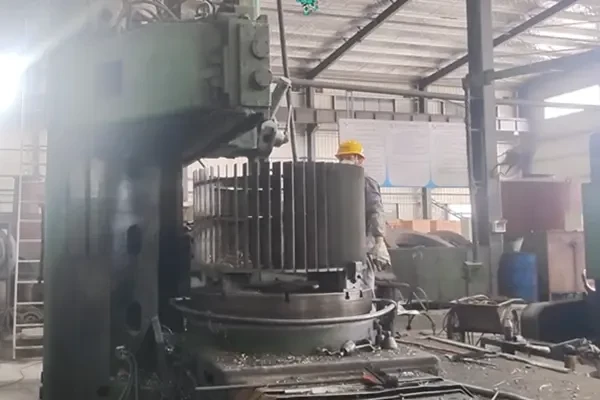
Inverted Conical Rotor: It is a classic and mature structure in the industry. The upper disk has a larger diameter than the lower disk to form a gradient centrifugal force field for layered classification. It features high fineness control precision and small fluctuation of finished particle size, with excellent classification performance within 80~400 mesh. It is highly versatile and widely applied in the market.
Cylindrical Rotor: It is an improved rotor with widened blades. The upper and lower disks of the rotor are basically the same in diameter, creating a uniform centrifugal force field in the classification zone and longer powder residence time for higher classification efficiency. Physical interception is realized by widened blades to guarantee finished fineness at lower rotating speed with less coarse powder leakage and high qualified product rate. Under identical working conditions, capacity increases by 8%~15%, suitable for medium and low mesh powder production projects of 80~325 mesh.
What is the difference between static turbine classifier and dynamic turbine classifier?
Static Classifier: It has no rotating rotor and realizes classification by airflow swirling. Without transmission parts, it features simple structure and convenient maintenance. Fineness can only be adjusted by air volume, resulting in low classification precision and easy coarse powder leakage. It applies to coarse powder processing and pre-classification operations.
Dynamic Classifier: Equipped with rotating turbine rotor, it performs classification relying on centrifugal force. Finished powder fineness can be flexibly changed by adjusting rotating speed via frequency conversion. It boasts high classification precision and a wide controllable particle size range, widely matched with grinding equipment such as Raymond grinding mills and vertical grinding mills.
What is static-dynamic combined centrifugal turbine classifier?
The static-dynamic combined centrifugal turbine classifier is an improved model of dynamic classifier. Two-stage separation structure including static fixed guide vanes and dynamic turbine rotor is integrated inside the cavity. Powder first passes through static guide vanes for pre-classification to separate most coarse particles in advance and reduce processing load of dynamic rotor, and then undergoes fine classification by high-speed rotating dynamic turbine rotor. Combining the advantages of large throughput capacity of static classification and high precision of dynamic classification, it delivers higher classification efficiency and is suitable for high-capacity continuous grinding production lines.
 Home
 Products
 About
 Call