

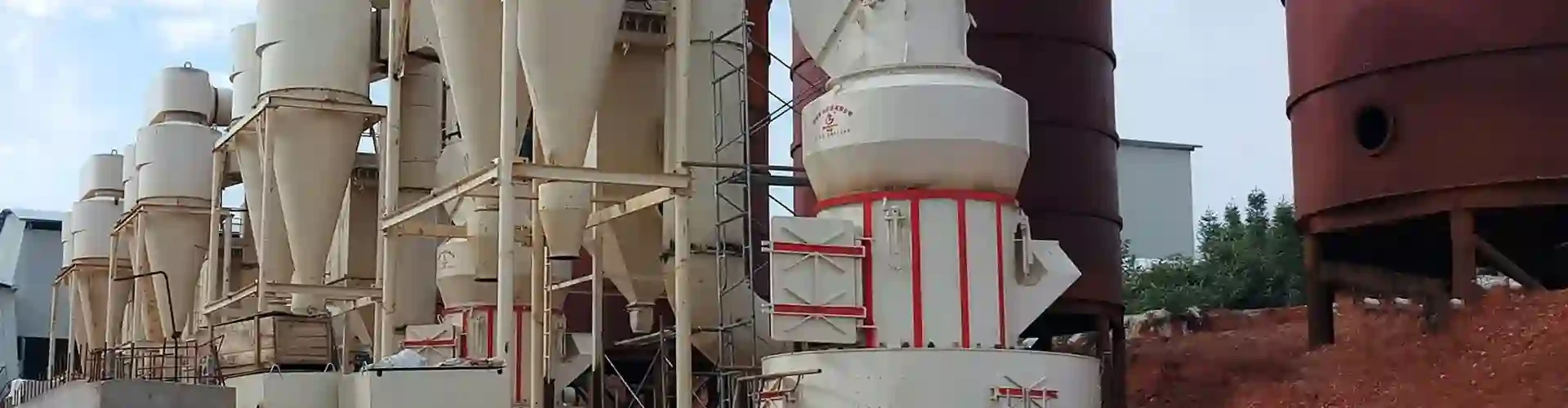
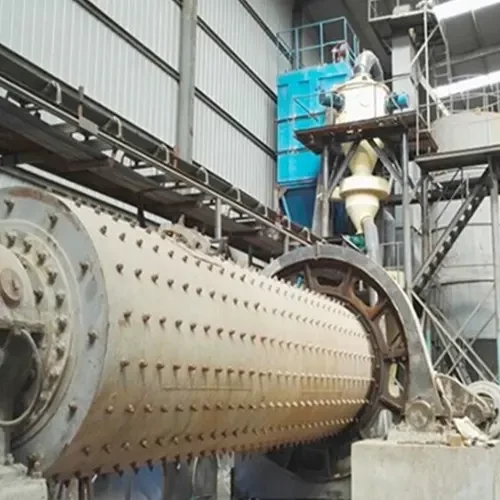
Ball Mill
Feed Size:≤25 mm
Output Capacity:1-20 t/h
Powder Fineness:20-800 mesh(Classifier Production Line≥800 mesh)
Applicable Materials:Calcite, marble, limestone, barite, kaolin, dolomite, alumina, slag, steel slag, gypsum, calcium carbonate, etc.
Ball Mill Introduction
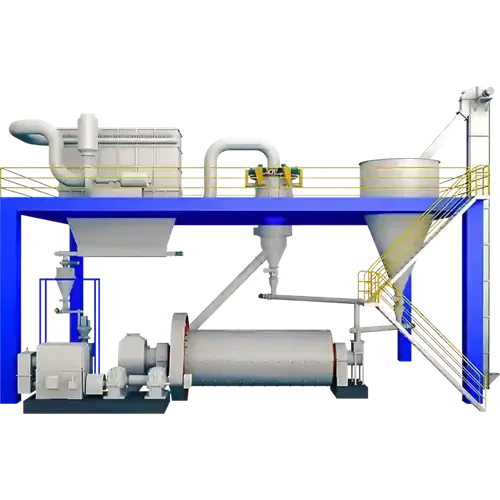
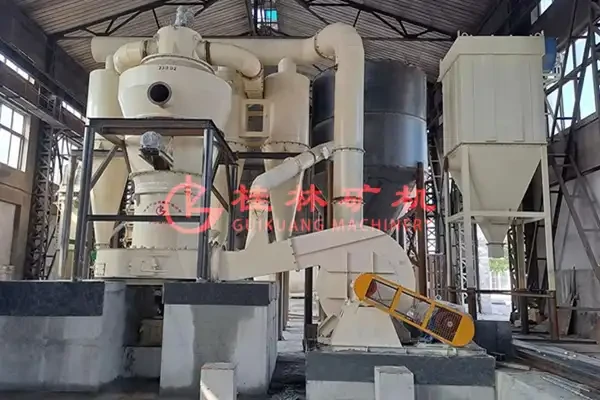
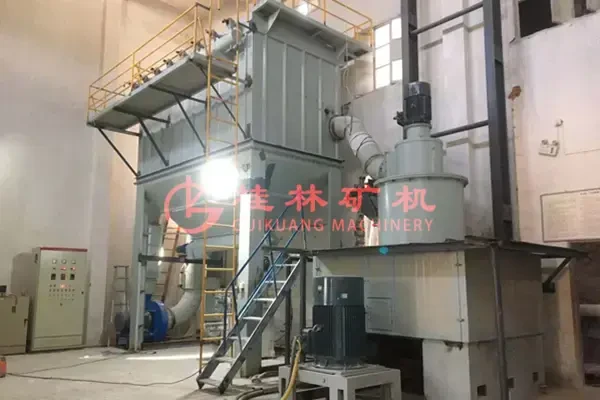
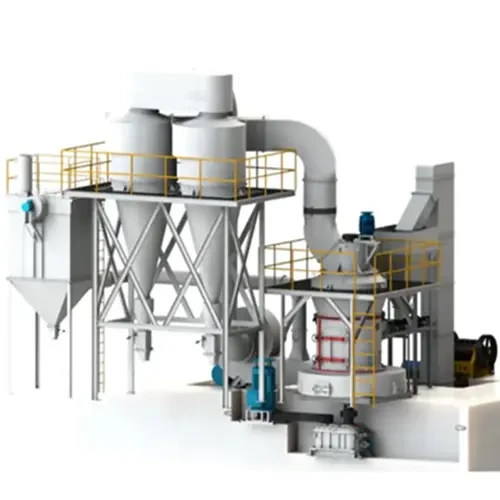
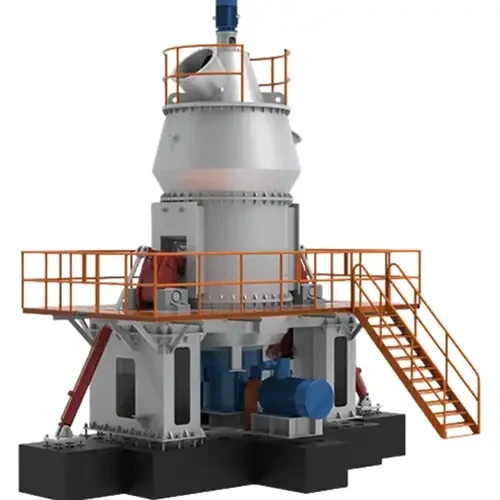
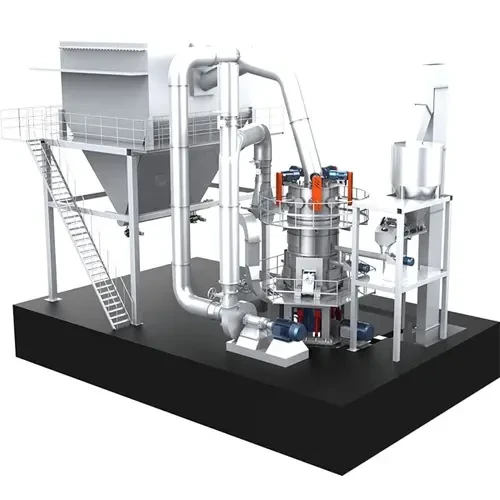
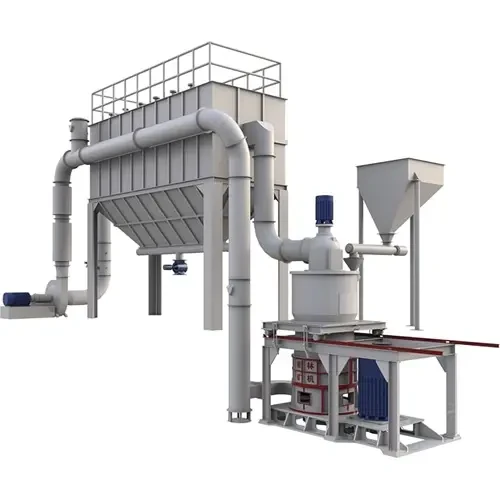
The ball mill is a traditional grinding equipment with mature process technology. It can run independently in open circuit, or form a closed-circuit system matched with classification equipment. The machine supports both dry and wet grinding processes and excels in processing high-hardness minerals. When combined with an air classifier to build a ball mill classification production line, remarkable improvements can be achieved in finished fineness control, energy utilization, specific power consumption and capacity enhancement.
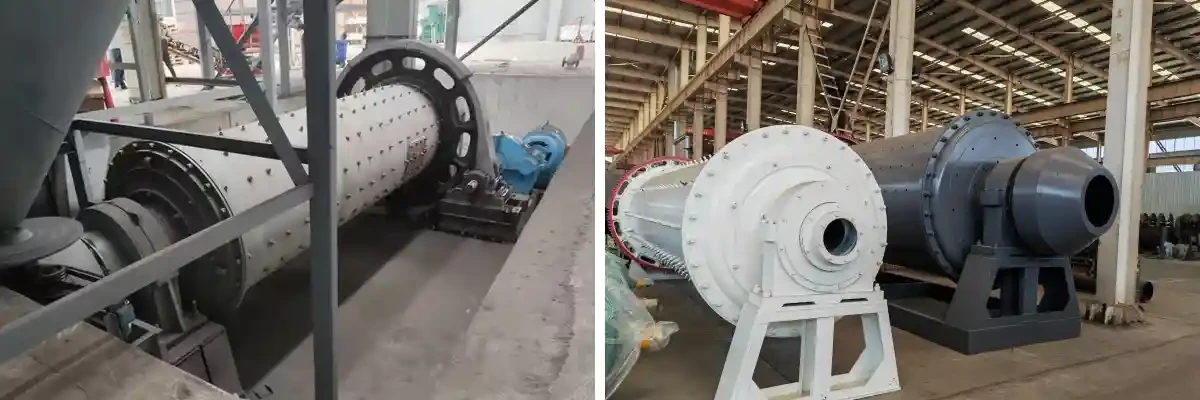
Ball Mill Features & Advantages
Large Reduction Ratio: Reduction ratio ≥300, ideal for high-hardness materials such as quartz, feldspar, manganese ore, etc.
High Wear Resistance: The cylinder is rolled from high-quality steel plate, fitted with wear-resistant liners made of high manganese steel, rubber, ceramics and other materials inside, delivering strong wear resistance and long service life.
Strong Adaptability: Dry or wet grinding can be flexibly selected according to material properties, suitable for nearly all minerals with Mohs hardness ≤9.
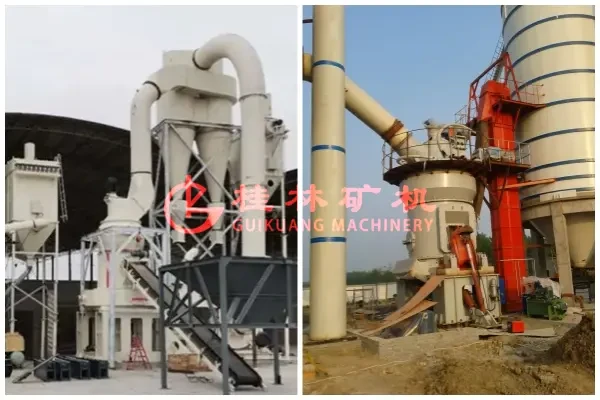
Mature Technology: It often forms an efficient closed-circuit ball mill classification production line together with air classifiers, cutting comprehensive energy consumption by 15%~25% and raising output by roughly 20%~30%. It can also be combined with Raymond mill, vertical mill and other equipment to build multi-stage grinding processes.
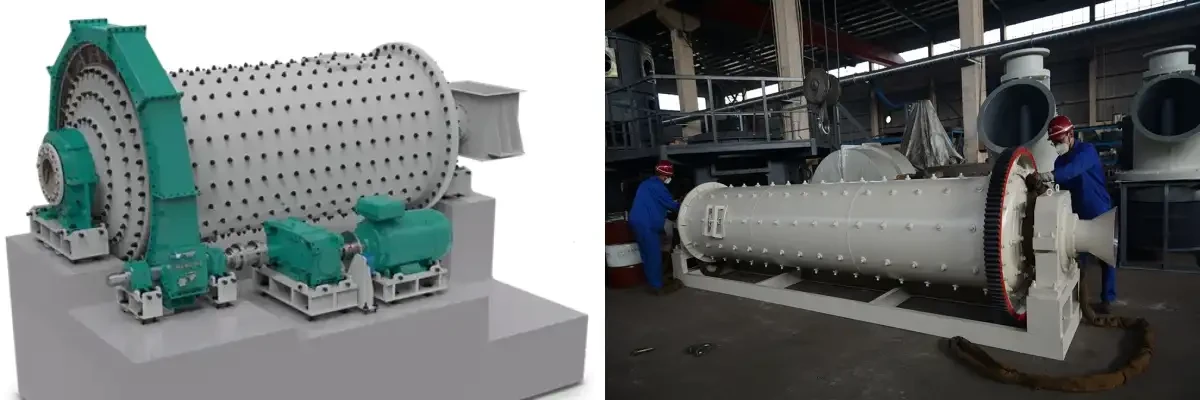
| Comparative Analysis: Ball Mill vs. Ball Mill & Classifier Production Line | |
| Open-circuit Ball Mill | Closed-circuit Ball Mill & Classifier Production Line |
| Grinding media such as steel balls and ceramic balls of different diameters impact and grind materials | Closed-circuit circulation of ball mill + classifier, finished powder separated promptly to improve grinding efficiency |
| Conventional powder processing of 20~800 mesh | 400~1250 mesh (advantage zone, enabling ultra-fine powder production) |
| 325 mesh pass rate 90%~95%, average powder uniformity | 325 mesh pass rate 95%~98%, excellent powder uniformity |
| High overall energy consumption | 15%~25% lower than open-circuit ball mill |
| Relatively lower investment cost | Fully equipped with high investment cost |
| Simple structure, small footprint | Complex process, large footprint |
| Simple dust collection for dry process, no dust pollution for wet process | Fully negative-pressure closed system, better overall environmental performance |
| High crushing ratio, strong adaptability, excellent for high-hardness material grinding | Precisely controllable fineness, suitable for ultra-fine powder processing of high-hardness materials |
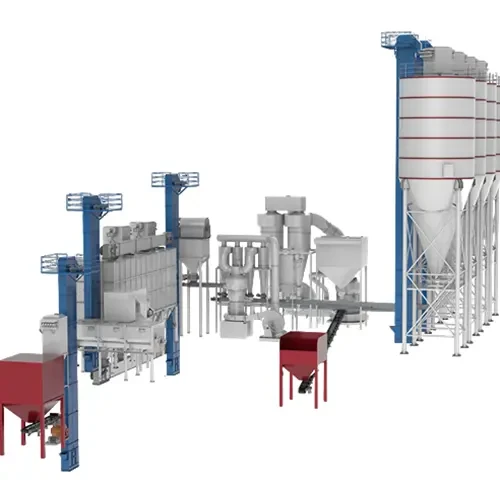
Process Flow of Ball Mill Classification Production Line
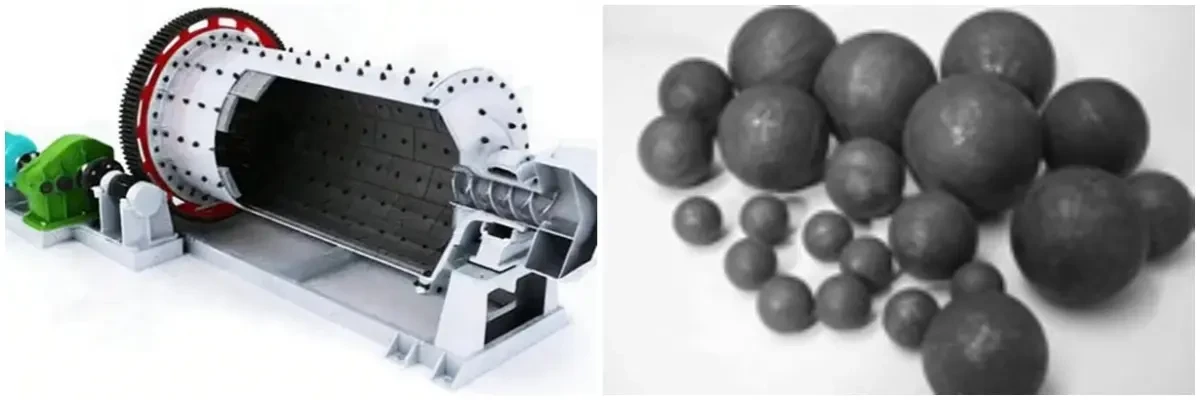
Raw Material Handling
Raw materials are firstly crushed to ≤25mm by crusher to meet the feeding size requirement, then delivered into the ball mill by conveying equipment. For dry grinding, material moisture must be strictly controlled below 1% to guarantee stable operation of the production line.
Grinding & Classification
After materials enter the ball mill, the rotating cylinder lifts steel balls to a certain height and then drops them to impact and crush materials. Grinding aids can be accurately injected via metering pumps to boost efficiency, prevent agglomeration and improve powder performance. The ground powder is pneumatically conveyed to the air classifier. Unqualified coarse powder returns to the ball mill for regrinding while qualified powder enters the collection system, forming a complete closed-circuit cycle operation.
Collection & Dust Removal
The collection system consists of cyclone collector and pulse baghouse dust collector. The finished silo is equipped with level gauge to automatically switch silos or trigger alarms when full, ensuring fully automatic and stable operation of the whole ball mill classification line.
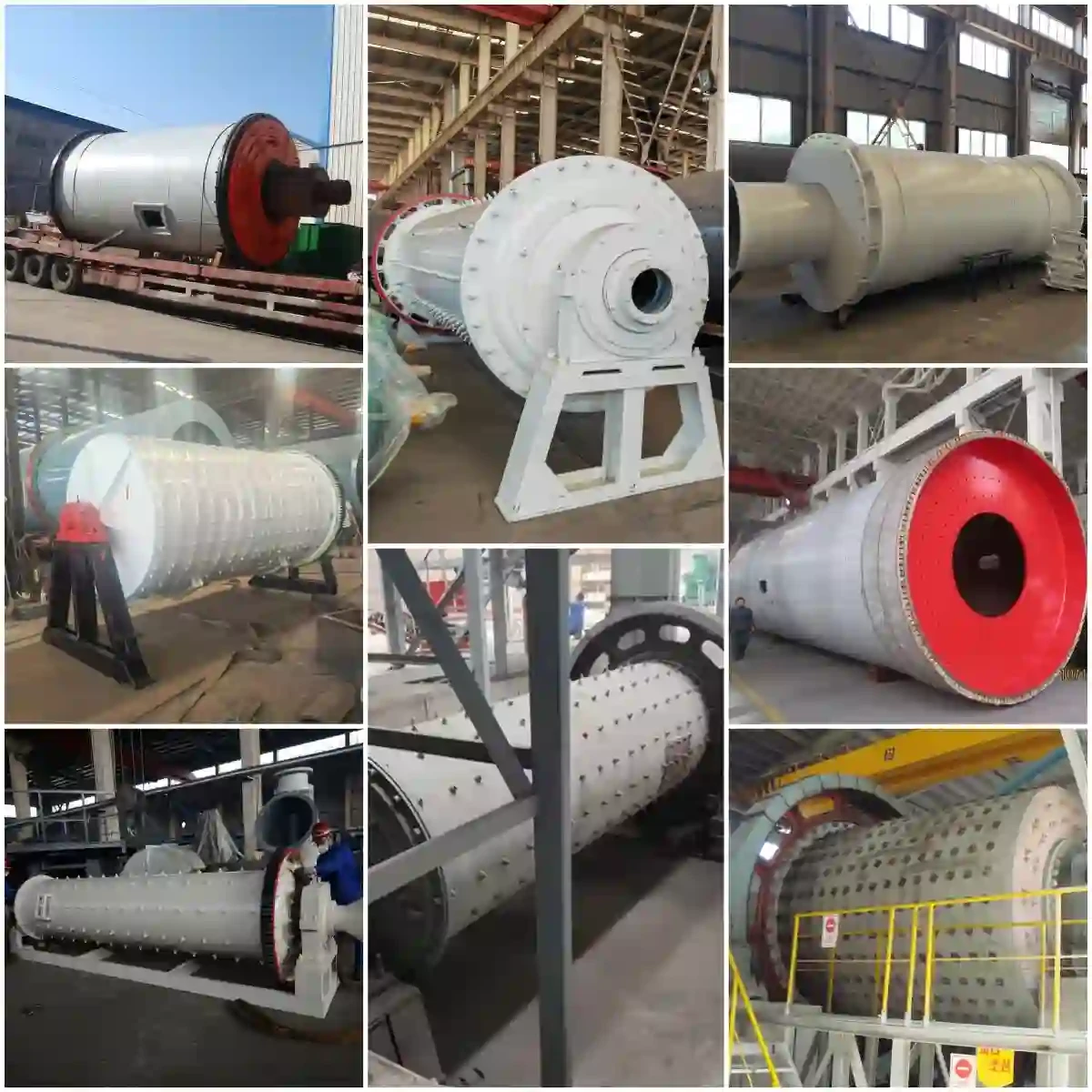
Ball Mill Application Scenarios
Technical Parameters of Ball Mill Classification Production Line
| GKQM Ball Mill Classification Production Line Parameter Table | |||||
| Model | GKQM1570 | GKQM1830 | GKQM2200 | GKQM2400 | GKQM2600 |
| Ball Mill Power | 75kW | 160kW | 245kW | 320kW | 560kW |
| Classifier Model | 1 set FL360 | 1 set FL450 | 1 set ITC3 | 1 set ITC4 | 1 set ITC5 |
| Classifier Power | 48kW | 73.5kW | 105kW | 120kW | 197kW |
| Conveying & Packing Power | 5kW | 11kW | 11kW | 11kW | 22kW |
| Air Compressor Power | 7.5kW | 11kW | 15kW | 15kW | 22kW |
| Capacity D90-92:45μm | 1.0t/h | 2.0t/h | 3.0t/h | 4.5t/h | 6.7t/h |
| Capacity D90-92:15μm | 0.5t/h | 1.0t/h | 1.6t/h | 2.7t/h | 3.4t/h |
| Capacity D90-92:10μm | 0.35t/h | 0.75t/h | 1.0t/h | 1.5t/h | 2t/h |
| * Data based on quartz processing. Production capacity is closely related to raw material particle size, specific gravity, hardness, moisture and other indicators, for reference only | |||||
Frequently Asked Questions about Ball Mill
What scenarios fit the combined process of ball mill and Raymond mill?
In this combined process, the ball mill is used for coarse grinding to dissociate impurities, while the Raymond mill carries out fine grinding to improve powder quality. It is mainly applied in valuable metal recovery, such as metallic aluminum recovery from primary aluminum dross.
What scenarios fit the combined process of ball mill and vertical mill?
The core of this combination is that the vertical mill conducts pre-grinding to reduce line energy consumption, and the ball mill performs final fine grinding to realize refined powder processing. It is suitable for large-scale, high-fineness, high-moisture and high-hardness high-end fields, e.g. advanced cement production.
What are the differences between dry grinding and wet grinding of ball mills?
Dry Grinding: Materials are ground into dry powder without adding water. The system does not require dehydration and drying, suitable for moisture-sensitive materials and water-scarce regions.
Wet Grinding: Water is added during mineral processing to grind materials into slurry. Compared with dry grinding, it consumes less power, generates less dust and delivers more uniform particle size. It fits industries using slurry directly, such as ceramic glaze, mineral pigment and coal water slurry. The slurry can also be dehydrated into filter cake for dry powder production.
 Home
 Products
 About
 Call