

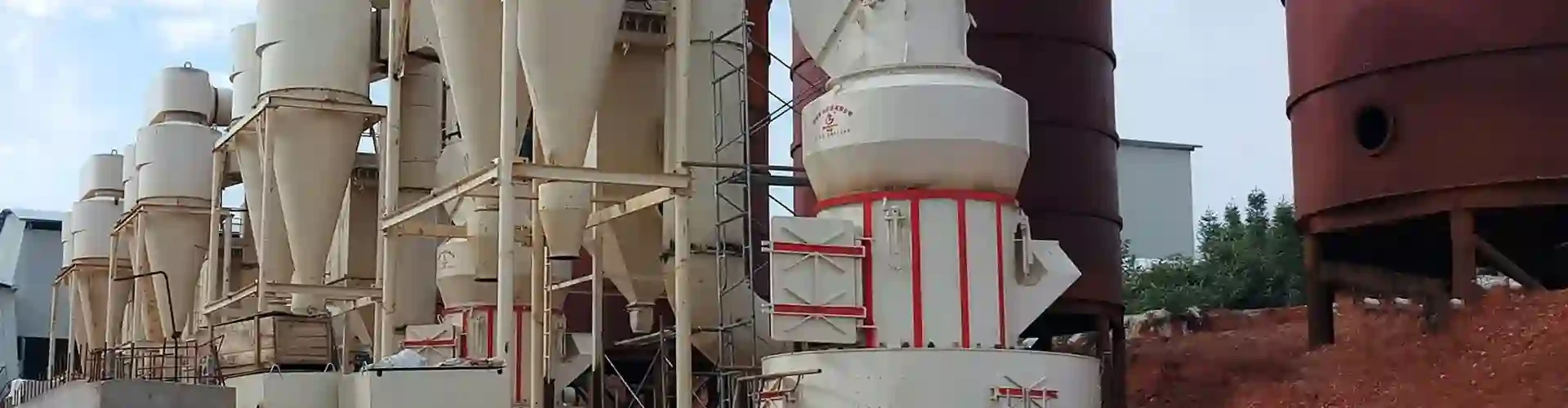
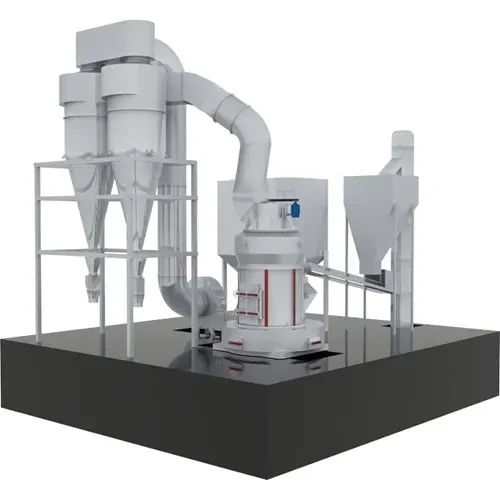
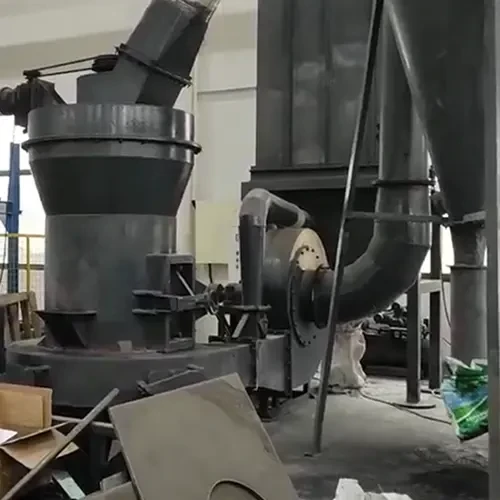
Glass Grinding Mill
Feed Size:≤25 mm
Output Capacity:1-30 t/h
Powder Fineness:80-400 mesh
Applicable Materials:Glass, solid waste glass, waste mobile phone glass, high-alumina-silicon tempered glass, etc.
Glass Grinding Mill Introduction
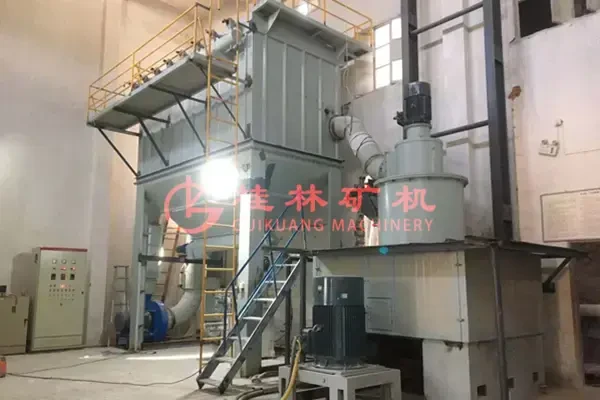
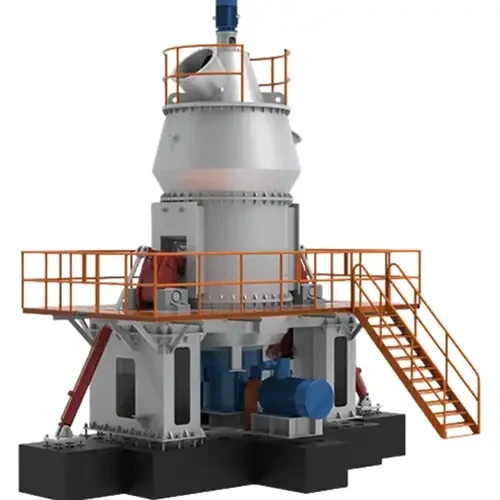
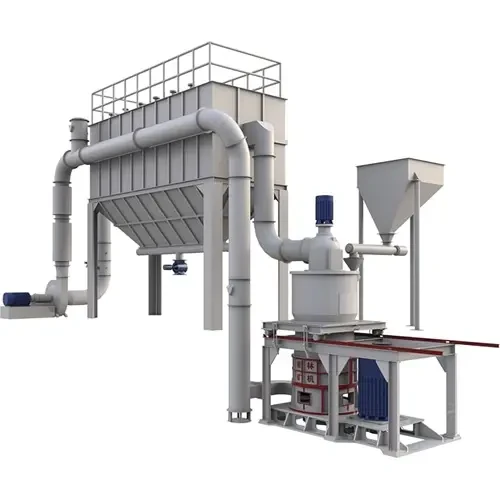
The Glass Grinding Mill is designed for waste mobile phone glass (typically high-alumina-silicon strengthened glass with Mohs hardness of 6~6.5). Targeting its material traits including high hardness, brittleness, colloids & metallic impurities, tendency of over-grinding and uneven powder size, this machine is modified from Raymond mill with upgraded grinding chamber, shovels and air classification system. It enhances grinding, anti-clogging and dust-proof performance, effectively solving grinding difficulties of waste mobile phone glass to realize resource recycling and eco-friendly production.
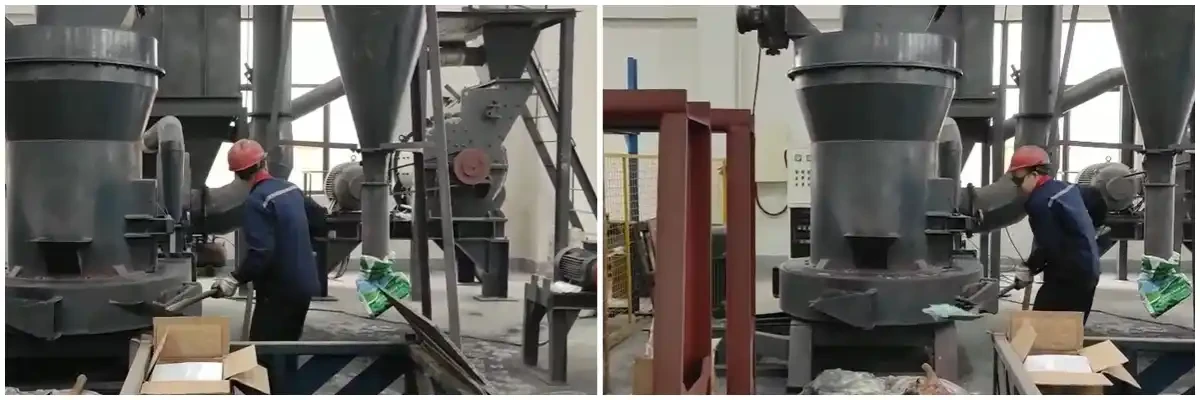
Glass Grinding Mill Features & Advantages
Efficient Anti-clogging: Optimized grinding chamber structure and shovel angle for brittle glass materials, preventing wall adhesion, blockage and over-grinding. It can steadily process waste mobile phone glass particles with minor impurities, lifting production continuity by over 30% and greatly reducing shutdown & cleaning frequency.
Precise Size Control: Final glass powder comes with uniform particle size, adjustable within 80~400 mesh. Various powder grades are available for building materials, fillers, permeable bricks and other industrial applications. Manufacturers can flexibly adjust finished specifications following downstream market demand.
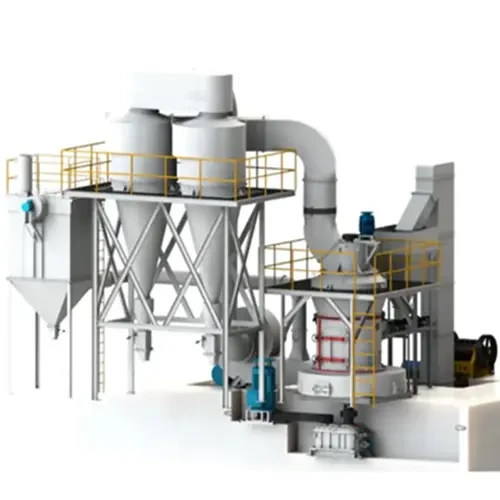
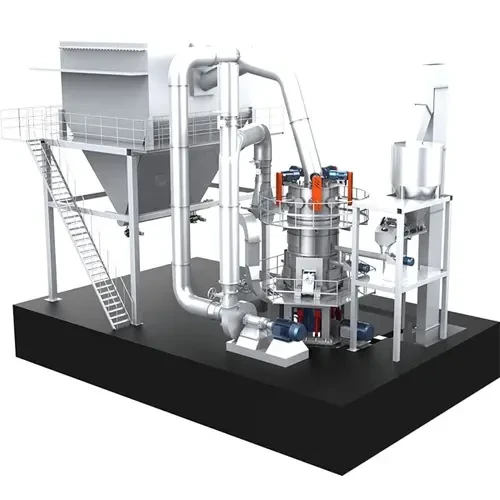
Green & Energy Saving: Compared with traditional ball mills and small crushers, it cuts power consumption while raising single-unit output. The whole line adopts fully sealed negative pressure design paired with pulse dust collector, stopping dust leakage and eliminating dust pollution.
Wear-resistant & Stable Operation: Core wear parts adopt high manganese steel and alloy steel. It serves for long service life and can process not only ordinary glass but also high-alumina-silicon strengthened glass efficiently.
Glass Grinding Mill Process Flow
Raw Material Pretreatment
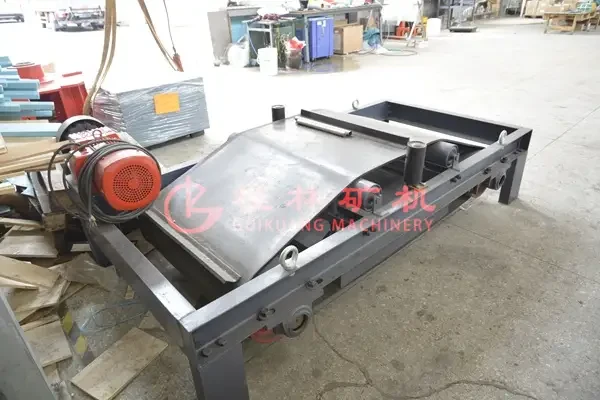
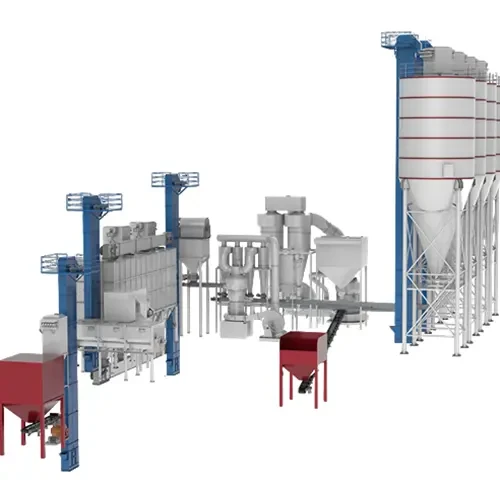
Glass raw materials go through manual sorting to remove bulk impurities. Magnetic separation removes metal debris, then air separation strips residual plastics, glue and other light contaminants. Materials are crushed to ≤25mm, washed to remove surface silt and oil stains, and dried to keep moisture content below 3%.
Grinding & Classification
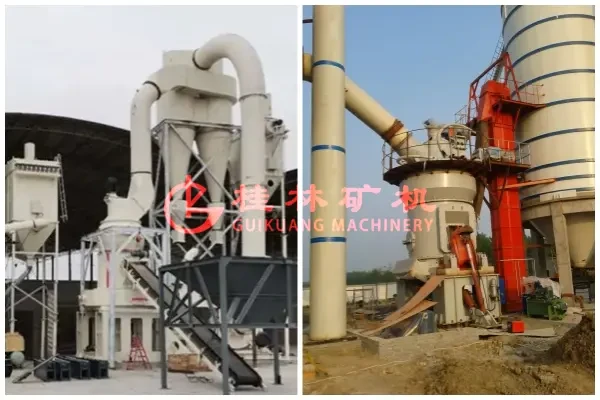
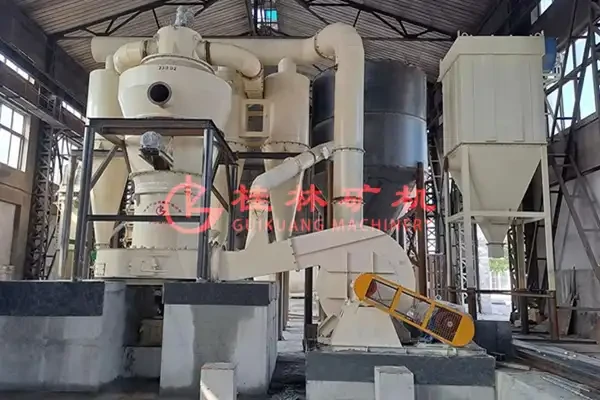
Qualified pretreated glass is delivered to Glass Grinding Mill for grinding and classification. Curved grinding chamber and grinding clearance are optimized to adjust material movement, avoiding wall adhesion and over-grinding. Redesigned shovel mounting angle improves feeding efficiency and maintains stable material bed.
Powder Collection & Dust Removal
Fine qualified glass powder is carried by airflow into the collection & dust removal system, then stored in finished silo after collection and purification. Coarse unqualified material returns automatically to grinding chamber for regrinding. The full line runs under fully sealed negative pressure to suppress dust escape. It ensures clean working environment and high resource utilization, turning waste into valuable products.
Glass Grinding Mill Application Scenarios
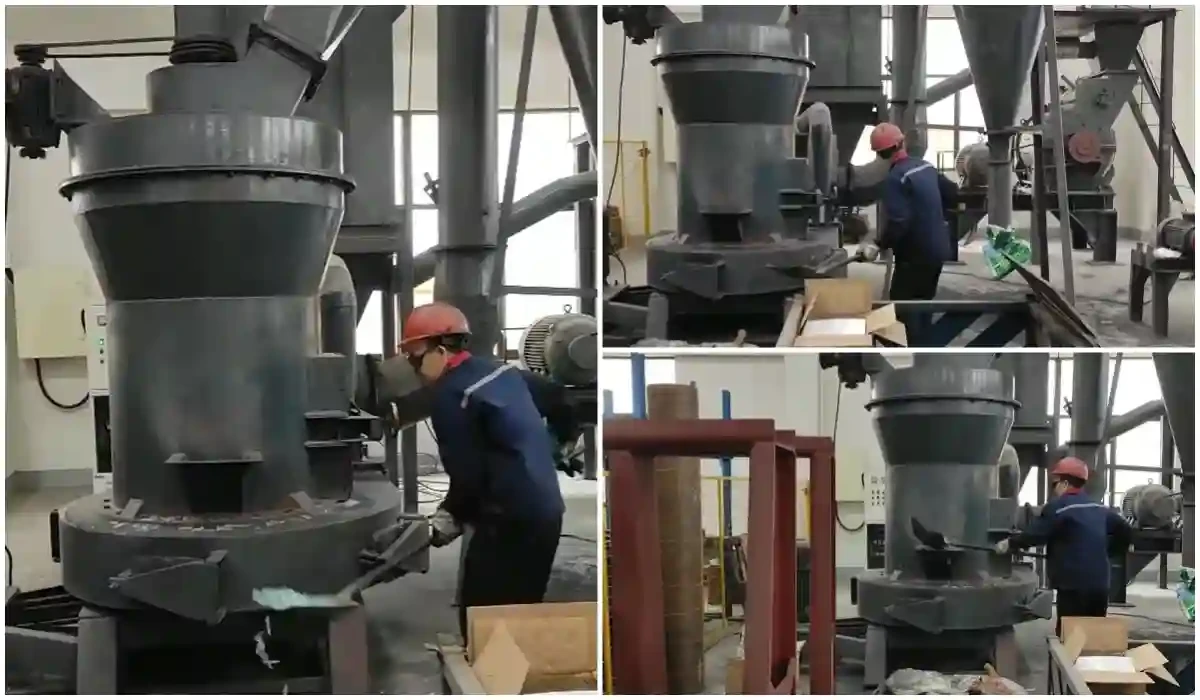
Glass Grinding Mill Technical Parameters
| GK Glass Grinding Mill Parameter Table | |
| Feed Size | ≤25mm |
| Finished Fineness | 80~400 mesh |
| Capacity | 1~30t/h |
| Grinding Components | Core grinding parts like roller and ring adopt high manganese wear-resistant steel, service life 4~6 times of ordinary carbon steel |
| Wear Liner | Custom wear liner reduces cavity abrasion and extends total machine service life by over 30% |
| Alloy Shovel | High strength & toughness with excellent wear resistance and long replacement cycle |
| * Data for reference only, actual parameters depend on raw materials | |
Frequently Asked Questions about Glass Grinding Mill
What is the difference between Raymond Mill and Glass Grinding Mill?
Raymond Mill: Traditional Raymond mill can process ordinary glass, yet it struggles with high-alumina-silicon strengthened glass. It brings heavy part wear and risks of wall adhesion and blockage during grinding.
Glass Grinding Mill: It is upgraded from Raymond mill with optimized grinding chamber structure and shovel angle to avoid wall adhesion, blockage and over-grinding. Core grinding components are wear-resistant tailored for efficient processing of high-alumina-silicon strengthened glass.
Will secondary pollution occur when processing waste mobile phone glass with Glass Grinding Mill?
No. The production line adopts multi-stage purification: sorting, magnetic separation, air separation and water washing to eliminate impurities. Equipped with dust collection and wastewater recycling system, it strictly controls dust and wastewater discharge throughout the whole process to avoid secondary pollution and guarantee high purity of glass powder.
How about the return on investment of Glass Grinding Mill?
Waste mobile phone glass is low-cost low-value solid waste. After fine grinding by Glass Grinding Mill, the powder gains high added value. Low-grade powder can be sold in bulk to maintain stable capacity while mid-to-high grade powder brings major profit. The production line achieves high resource utilization with payback period of only 8~12 months.
 Home
 Products
 About
 Call