

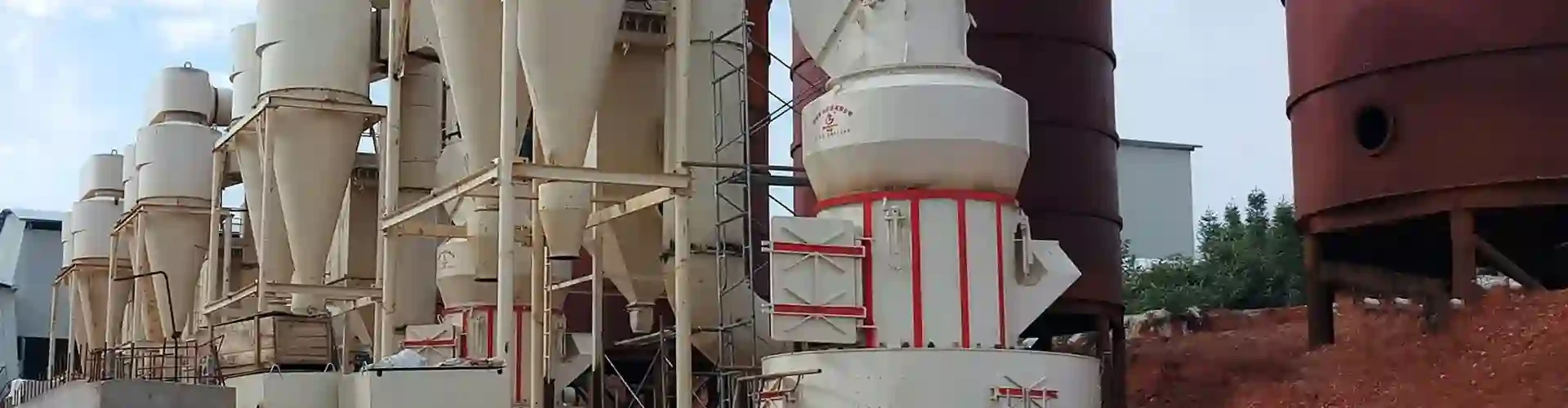
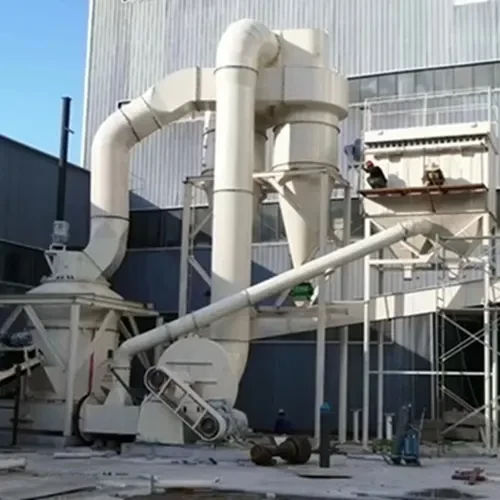
Large Raymond Mill
Feed Size:≤35 mm
Output Capacity:10-80 t/h
Powder Fineness:80-400 mesh
Applicable Materials:Calcite, limestone, marble, barite, kaolin, bentonite, talc, gypsum, graphite, fluorite, etc.
Large Raymond Mill Introduction
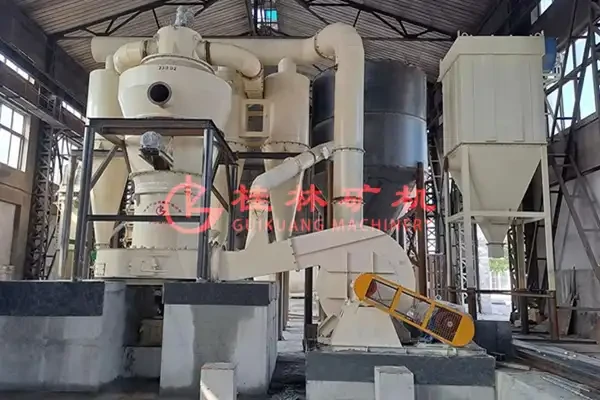
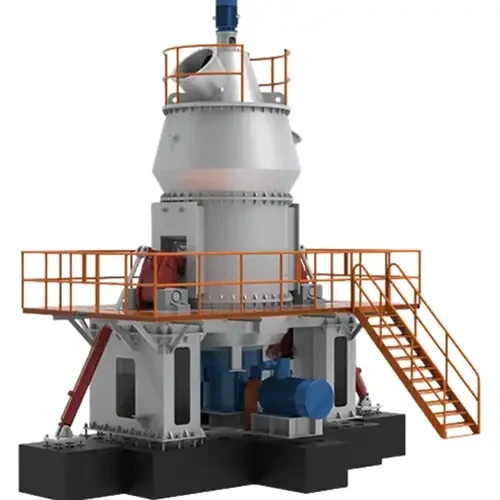
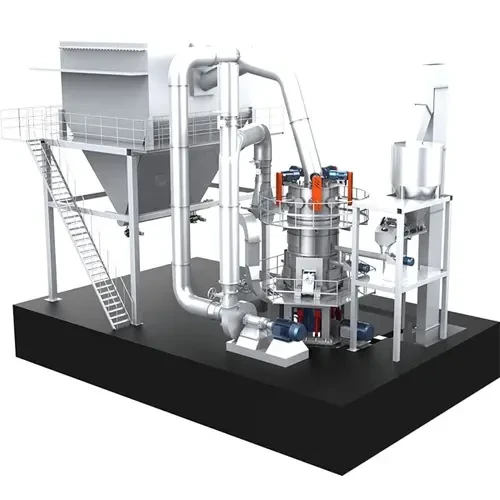
Large Raymond mill is a large-sized grinding machine designed to meet the demands of large-scale industrial production. It is equipped with no less than 4 grinding rollers. Its base is manufactured by integral casting with precise machining. Eliminating assembly gaps enables uniform force distribution between equipment and foundation, effectively protecting core grinding components like grinding rollers and rings to ensure stable operation. Compared with traditional split structures, the structural rigidity increases by 40% and operational vibration is reduced by 60%. It is mainly used in large-scale powder production projects with hourly output above 10 tons.
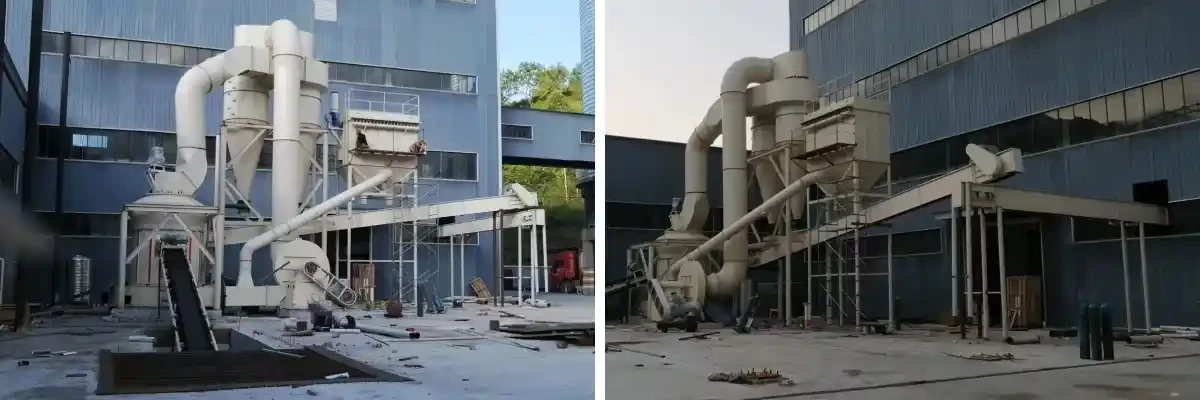
Features & Advantages of Large Raymond Mill
Multi-roller Grinding: Fitted with ≥4 grinding rollers, it features large grinding area and strong grinding force. Single machine capacity can reach dozens of tons per hour to satisfy ton-level output requirements of large-scale industrial production.
Rigid Structure: Integrally cast base without splicing gaps. Uniform force transmission between machine and foundation disperses huge impact force generated during operation across the whole base plane.
Stable & High Efficiency: The integral base reduces wear of core consumables including grinding rollers and rings, extends service life, cuts downtime for maintenance and boosts productivity.
Easy Installation: Even as heavy-duty grinding equipment, the pre-calibrated integral base requires no on-site assembly. It can be positioned by hoisting alone, shortening installation period by 50%.
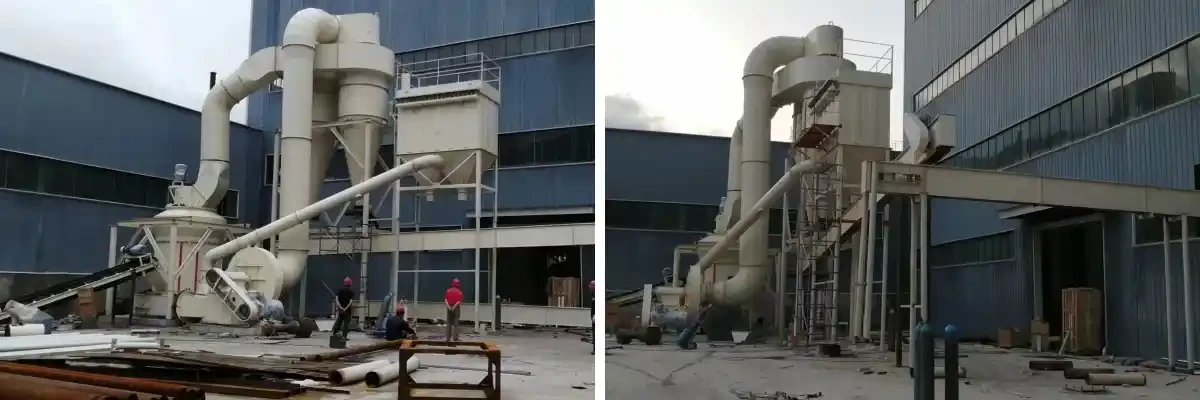
Process Flow of Large Raymond Mill
Raw Material Handling
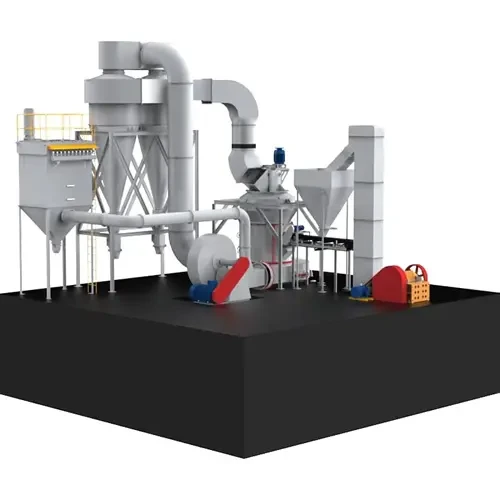
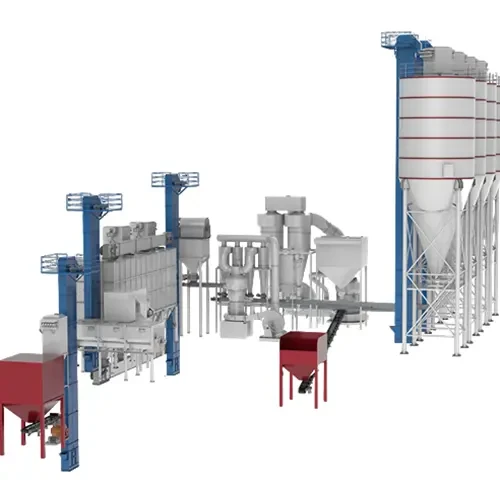
Lumpy raw materials are crushed by jaw crusher to meet feeding size requirement (≤35mm). Then the materials are vertically lifted by bucket elevator and fed continuously, evenly and quantitatively into the mill via vibrating feeder.
Grinding & Classification
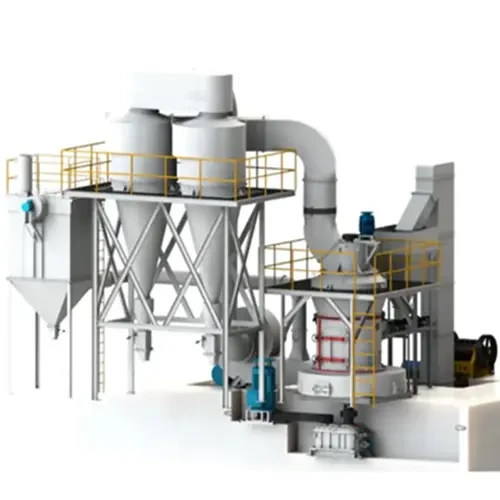
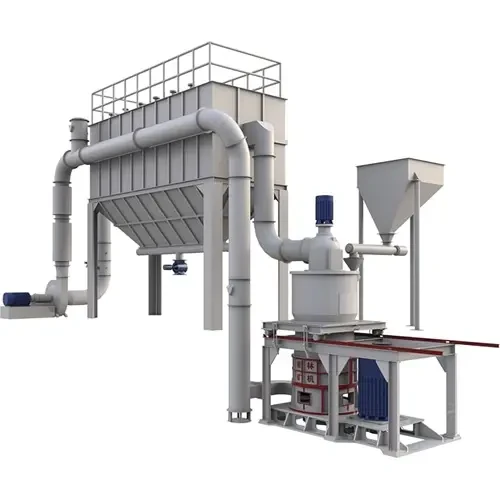
After entering the large Raymond mill, materials are scooped up and thrown into the gap between grinding rollers and rings. Multiple grinding rollers (≥4) mounted on the star frame rotate around the central shaft and press tightly against the grinding ring under centrifugal force to pulverize materials. The ground powder is sorted by classifier. Coarse powder returns for regrinding while qualified fine powder flows with airflow to the collection system.
Powder Collection & Dust Removal
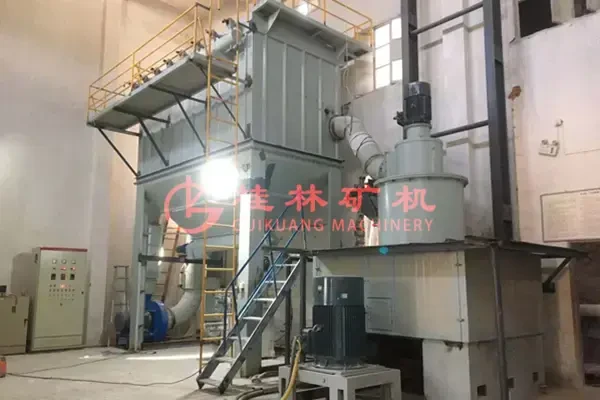
The collection system consists of parallel double cyclone collectors and pulse bag dust collector. Qualified fine powder is separated inside cyclone collectors and discharged through powder outlet as finished product, with maximum fineness up to 400 mesh. Purified air is exhausted to atmosphere by induced draft fan on top of pulse bag dust collector, with emission concentration ≤10mg/m³. Except for the positive pressure section from blower to grinding chamber, all other pipelines work under negative pressure.
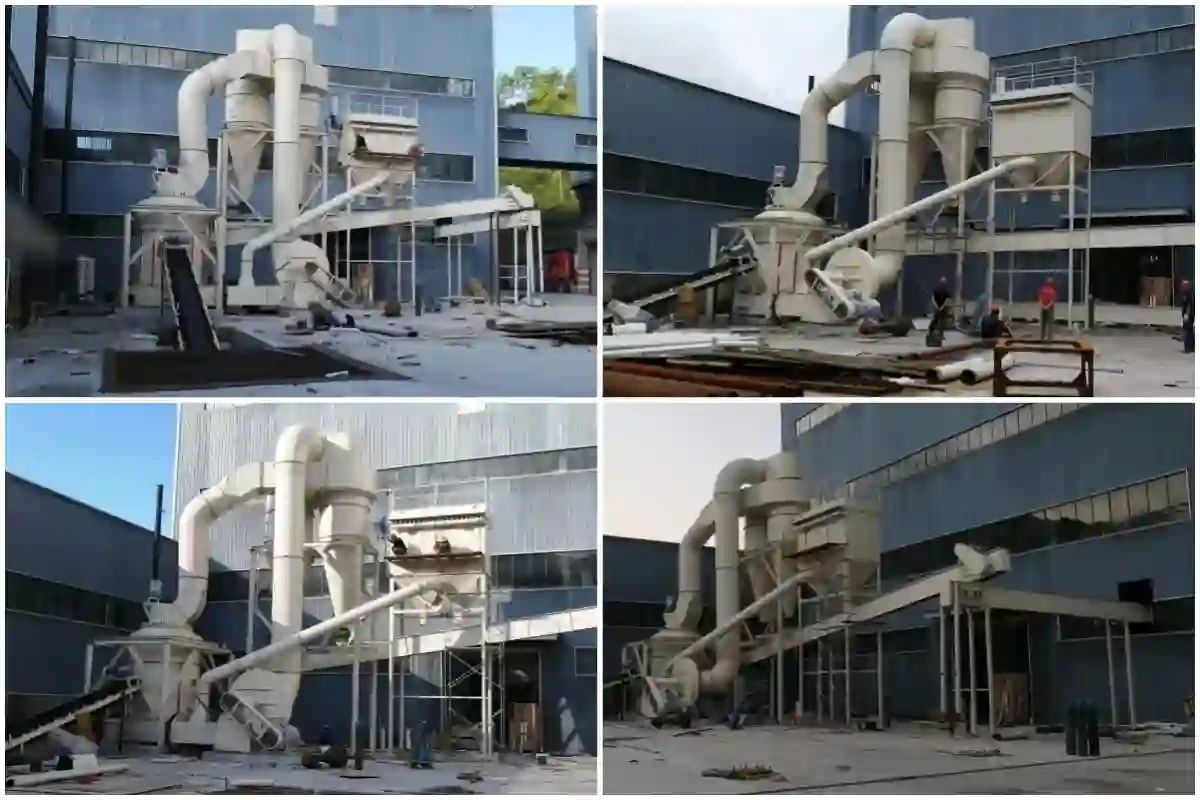
Application Scenarios of Large Raymond Mill
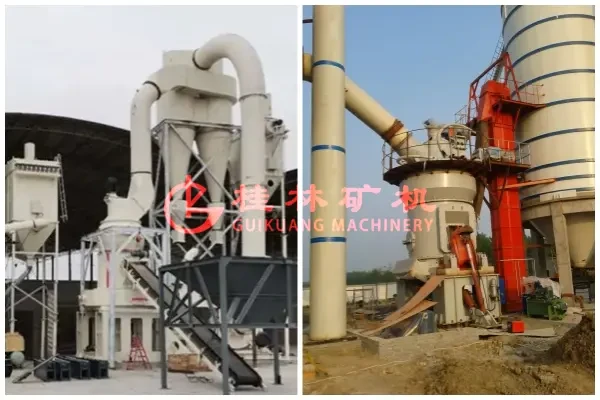
Technical Parameters of Large Raymond Mill
| GK Large Raymond Mill Parameter Table | ||||||
| Model | Feed Size (mm) | Finished Fineness (mesh) | Capacity (t/h) | Main Motor Power (kW) | Fan Power (kW) | Classifier Power (kW) |
| GK2150 | ≤30 | 80~400 | 10~40 | 250 | 280 | 45 |
| GK2500 | ≤35 | 11.5~50 | 280 | 280 | 45 | |
| GK2750 | ≤35 | 15~80 | 450 | 450 | 75 | |
| * The above data is for reference only, actual parameters vary with materials | ||||||
Frequently Asked Questions of Large Raymond Mill
What should be noted for foundation construction of large Raymond mill?
The foundation of large Raymond mill must be constructed strictly in accordance with drawings, adopting reinforced concrete structure, especially for the main machine area. The foundation thickness shall be no less than 300mm. Use high-grade cement for dense pouring and natural curing for over 15 days, curing accelerators are prohibited. Recheck reserved hole positions and dimensions after solidification to guarantee installation precision and support long-term stable running.
What is the difference between integral base and traditional split base for large Raymond mill?
Integral Base: Made by integral casting and precision machining without splicing gaps. Uniform force transfer between machine and foundation during operation. It can be hoisted and positioned once on site, which is the mainstream base technology for modern large Raymond mills.
Split Base: Assembled from multiple steel plates or castings (welded or bolted). Secondary on-site assembly required with long installation cycle (3~5 days). Fasteners and bolts need regular inspection during operation and maintenance. It features lower investment cost and easier transportation compared with integral base, commonly used in small-scale powder processing.
Why does large Raymond mill adopt parallel double cyclone design?
Parallel double cyclone collectors are adopted because the ton-level capacity of large Raymond mill requires high-efficiency collection system to handle massive powder products. Double cyclone design improves collection efficiency by 10%~15% versus single cyclone, effectively reducing load on subsequent dust collector and raising overall production efficiency.
 Home
 Products
 About
 Call