

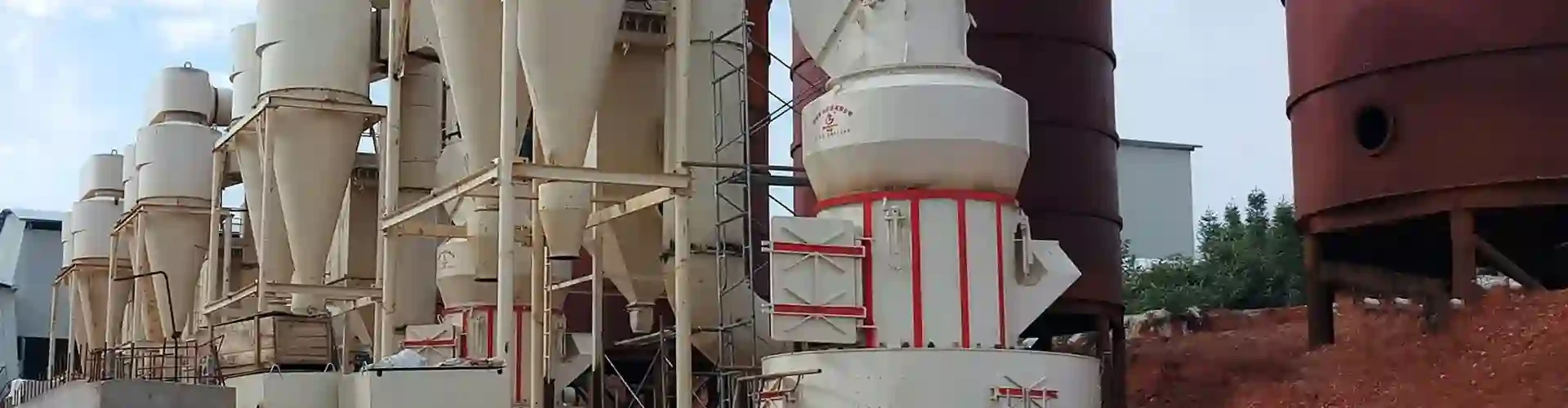
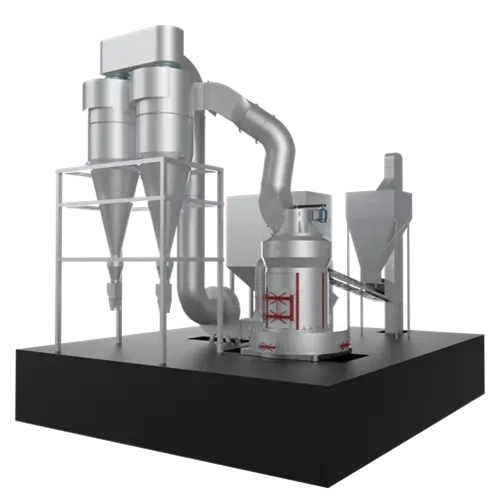
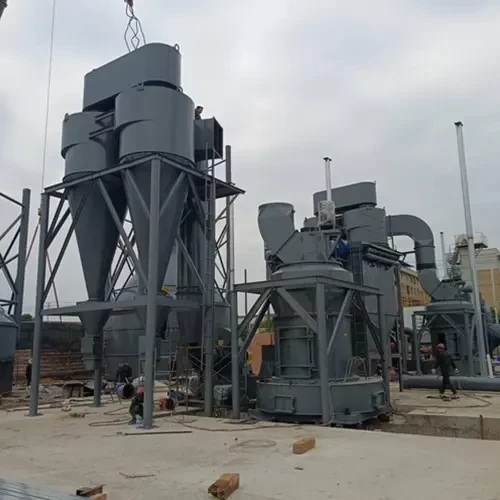
Silicon Carbide Grinding Mill
Feed Size:≤30 mm
Output Capacity:1-20 t/h
Powder Fineness:80-400 mesh
Applicable Materials:Silicon Carbide (SiC)
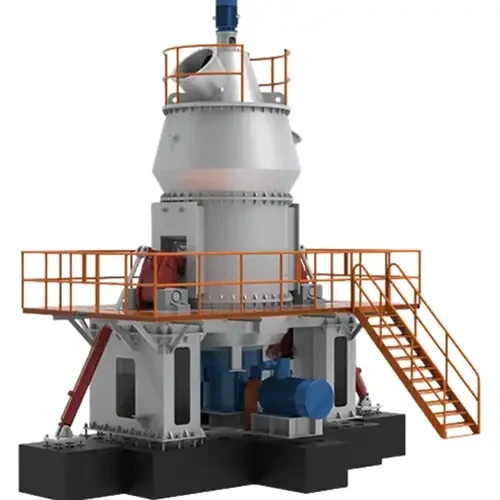
Introduction to Silicon Carbide Grinding Mill
Silicon carbide features extremely high hardness (Mohs hardness 9.2~9.5) and excellent wear resistance. Its powder products have strict purity requirements. Grinding rollers and rings made of ordinary materials suffer heavy wear and tear, which easily causes metallic contamination and degrades powder purity. To tackle the challenges of silicon carbide processing, the core grinding components of our silicon carbide grinding mill adopt specially customized high-chromium alloy, wear-resistant ceramics, cemented carbide and other highly wear-resistant materials. It breaks the hardness limit (≤7) of traditional Raymond mills. Equipped with a high-intensity magnetic separator, it enables mass production of high-purity silicon carbide powder.
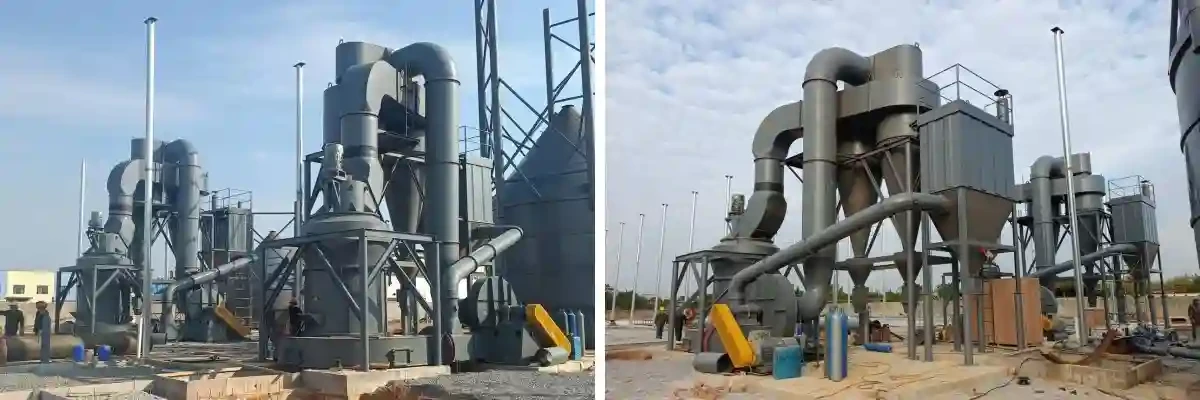
Features & Advantages of Silicon Carbide Grinding Mill
Wear-resistant & Anti-contamination: Grinding components such as rollers and rings are made of special high-wear materials. Ceramic liners are pasted inside the piping system for outstanding wear resistance. Together with the high-intensity magnetic separator, contamination is eliminated at the source.
High Efficiency & Stable Operation: Equipped with high-power main motor and classifier motor. The throughput is 20~50% higher than traditional Raymond mills, ensuring efficient and stable operation when processing ultra-hard silicon carbide.
Precise & Adjustable Fineness: Final silicon carbide powder fineness can be flexibly adjusted within 80~400 mesh to meet requirements from various industries.
Cost-effective: Silicon carbide is a third-generation semiconductor material with high powder added value. For silicon carbide single crystal growth via the Physical Vapor Transport (PVT) method, powder of 100~200 mesh is generally required. Within this range, our silicon carbide grinding mill delivers better cost performance compared with jet mills and other grinding equipment.
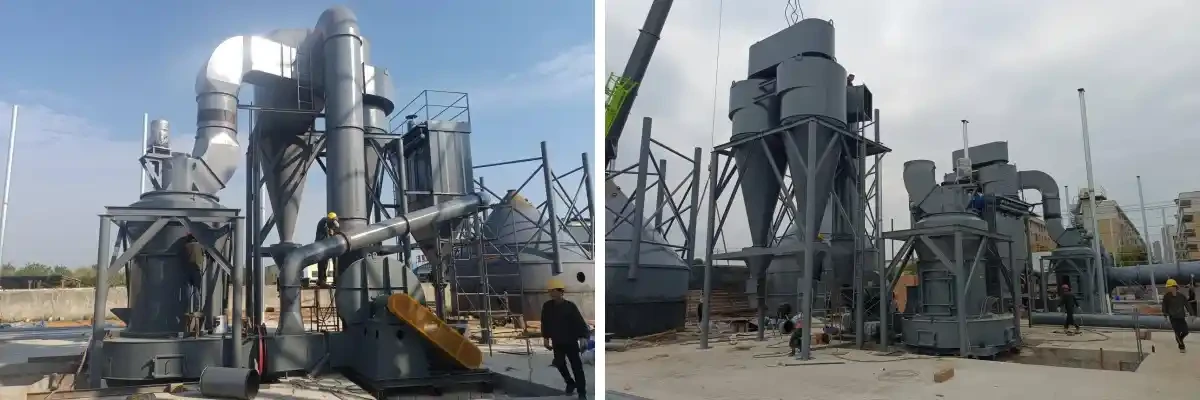
| Wear-resistant Materials for Silicon Carbide Grinding Mill | |||
| Property | High-Chromium Alloy | Wear-resistant Ceramic | Cemented Carbide |
| Core Advantages | Excellent wear resistance, good toughness, impact resistance | Ultra-high wear resistance, free of metallic contamination | Superior wear resistance, strong high-pressure resistance |
| Service Life | 5~8 times that of ordinary steel | 3~5 times that of high-chromium alloy | 5~10 times that of high-chromium alloy |
| Maintenance & Machinability | Easy to machine and repair | Non-repairable; full replacement upon damage | Hard to repair; normally replaced directly |
| Main Application | Core grinding parts: grinding rollers & rings | Pipeline liners, classifier blades, etc. | Blade sections: shovels & scrapers |
| * Even with high-wear materials, grinding components require replacement more frequently than Raymond mills processing ordinary materials | |||
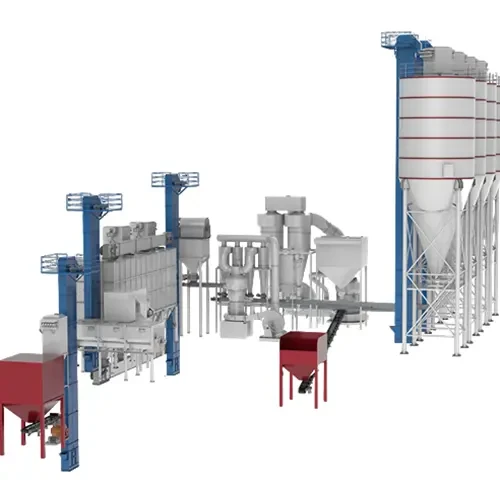
Process Flow of Silicon Carbide Grinding Mill
Crushing & Impurity Removal
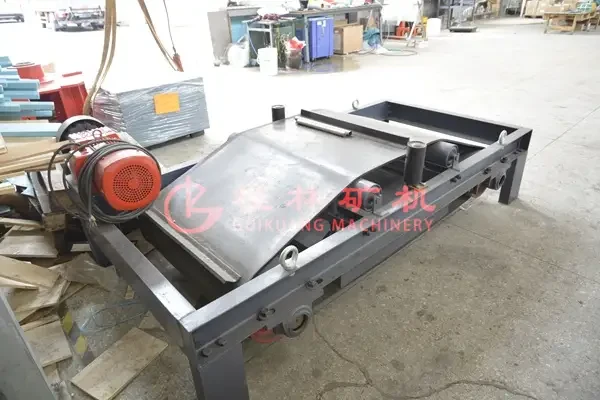
Silicon carbide raw material is crushed to ≤30mm by crusher, screened via vibrating sieve, then magnetically separated by high-intensity magnetic separator to remove impurities. This protects downstream equipment and grinding components and guarantees qualified purity of finished SiC powder.
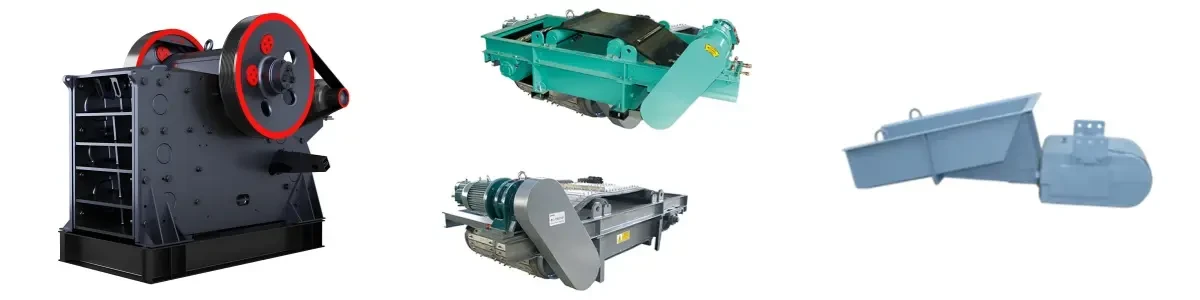
Crusher (Left), Belt Permanent Magnetic Separator (Middle), Electromagnetic Vibrating Feeder (Right)
Grinding & Classification
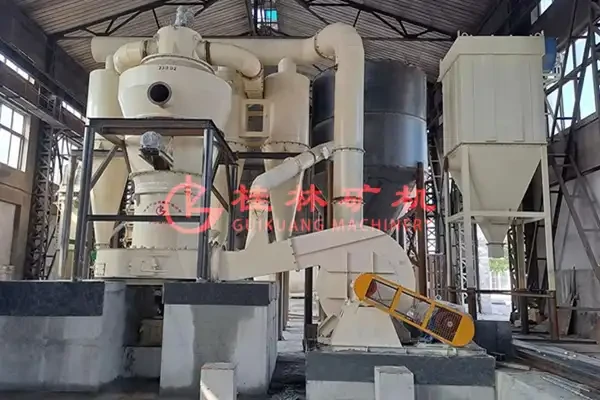
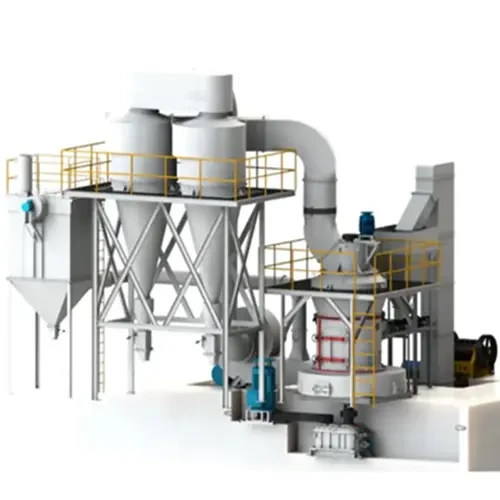
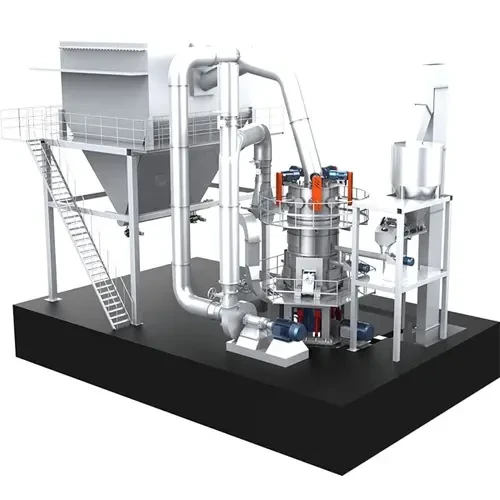
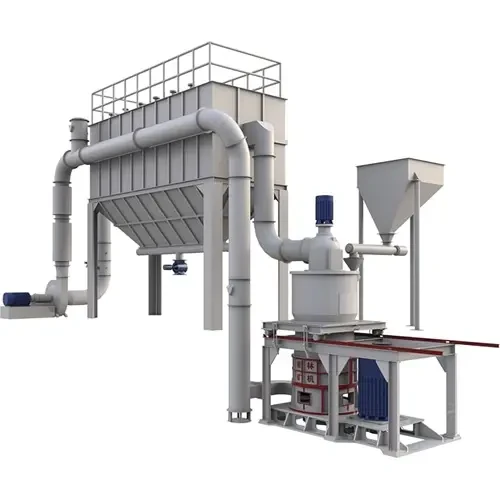
Iron-free silicon carbide material is conveyed into silo by bucket elevator, then fed into GK silicon carbide grinding mill via electromagnetic vibrating feeder for pulverization. Fineness is precisely controlled by adjusting classifier rotating speed. Over-sized coarse powder returns for regrinding while qualified fine powder enters collection system. The closed-circuit circulation enables efficient production of high-purity silicon carbide powder from 80 to 400 mesh.
Dust Collection & Recovery
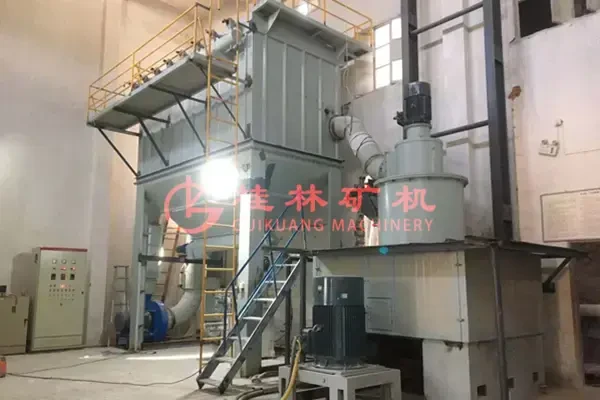
Dual cyclone collectors and pulse baghouse dust collectors are adopted. Cyclone collectors separate and capture most fine SiC powder; pulse bag collectors recover ultra-fine powder and treat dust. The total powder recovery rate reaches ≥99.9%, and exhaust emission ≤10mg/m³.
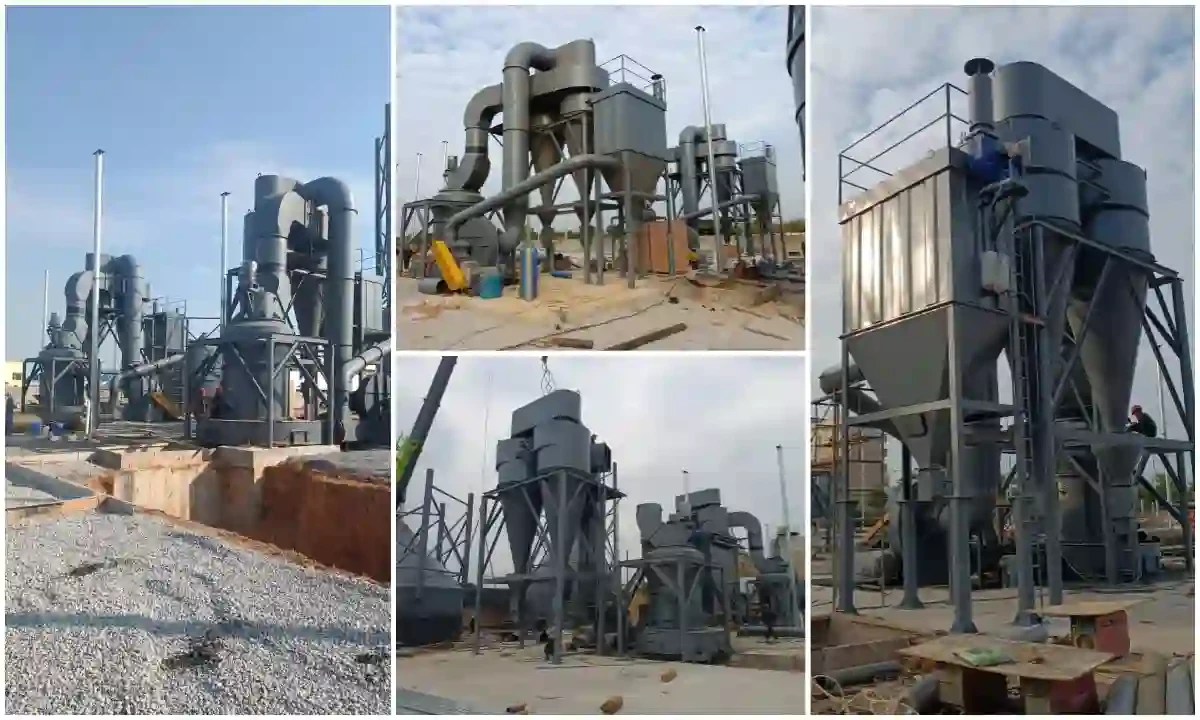
Application Scenarios of Silicon Carbide Grinding Mill
Technical Parameters of Silicon Carbide Grinding Mill
| GK Silicon Carbide Grinding Mill Parameter Table | |
| Feed Size | ≤ 30mm |
| Finished Fineness | 80~400 mesh |
| Capacity | 1~20t/h |
| Main Motor Power | 70~550kW |
| Classifier Motor Power | 20~100kW |
| Grinding Components | High-Chromium Alloy |
| Pipeline Liner | Wear-resistant Ceramic |
| Blade Parts | Cemented Carbide |
| * Data for reference only, actual parameters depend on raw materials | |
Frequently Asked Questions of Silicon Carbide Grinding Mill
How to select a suitable silicon carbide grinding mill?
80~400 mesh: Recommended upgraded GK silicon carbide grinding mill from Guilin Mining Machinery. Jet mills have low single-unit output and high energy consumption within this range, resulting in poor cost performance.
Above 400 mesh: Jet mill is recommended. It effectively prevents metallic contamination and delivers concentrated particle size, which is the preferred equipment for high-purity ultra-fine silicon carbide powder production.
Is the highest configuration of wear-resistant materials mandatory for silicon carbide grinding mill?
Silicon carbide is extremely hard. The highest wear-resistant configuration is strongly recommended, especially wear-resistant ceramics. Despite higher upfront investment, it greatly extends the service life of wear parts, stabilizes high-quality SiC powder production and brings superior long-term ROI.
Can silicon carbide grinding mill grind other materials?
Silicon carbide grinding mill is specially designed for SiC characteristics. Its wear parts and iron removal equipment come at relatively high cost, so it is not cost-effective for processing other materials.
Grinding components need frequent replacement, why is this mill still suitable for silicon carbide processing?
Silicon carbide is ultra-hard. Even with high-wear materials installed, component replacement frequency is higher than Raymond mills processing ordinary minerals. However, silicon carbide is a third-generation semiconductor material with high market value and wide application fields. Its powder value is dozens or even hundreds of times higher than ordinary quartz. The economic benefits of SiC powder far outweigh the maintenance cost of grinding consumables.
 Home
 Products
 About
 Call