

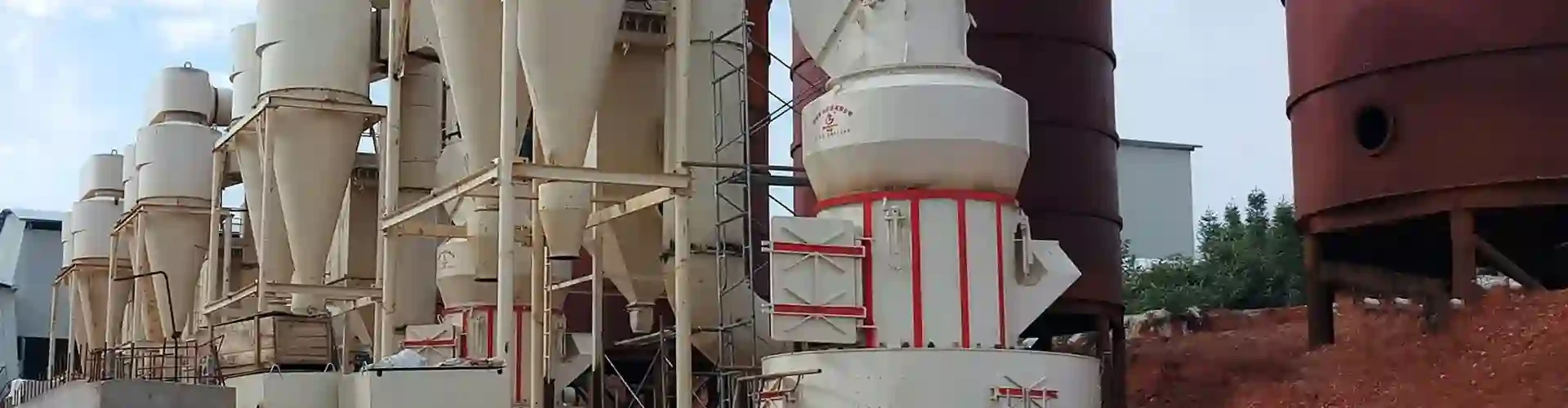
Small Raymond Mill
Feed Size:≤15 mm
Output Capacity:50~1000 kg/h
Powder Fineness:80~400 mesh
Applicable Materials:Limestone, calcite, marble, wollastonite, bentonite, kaolin, pyrophyllite, barite, alunite, chalk, talc, gypsum, fluorite, pumice, etc.
Small Raymond Mill Introduction
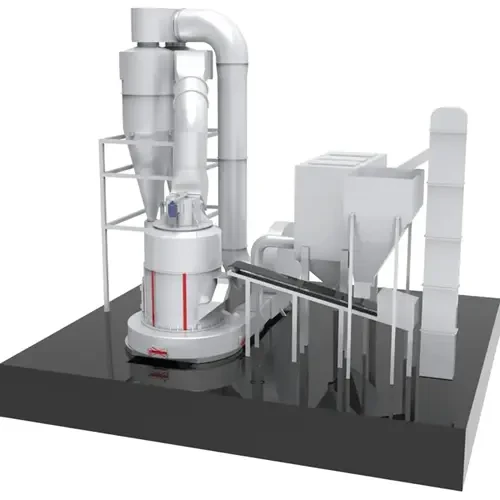
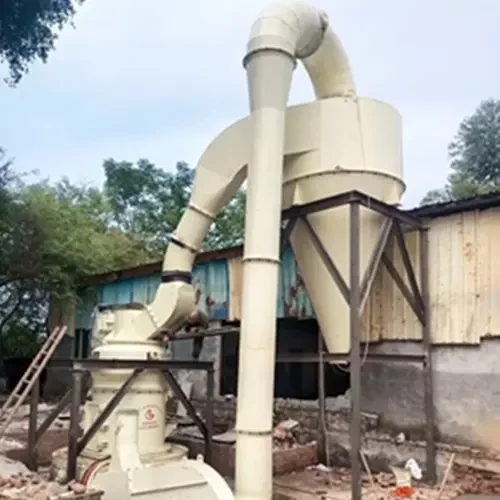
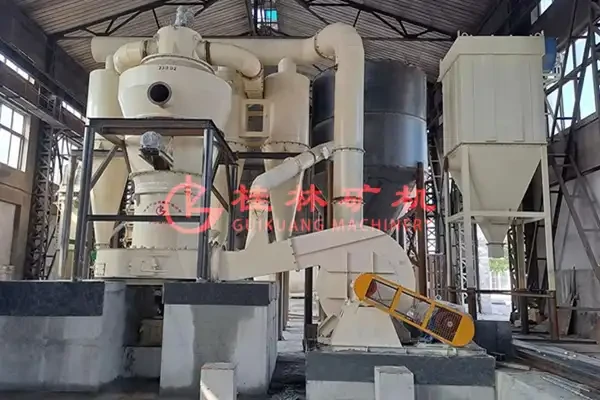
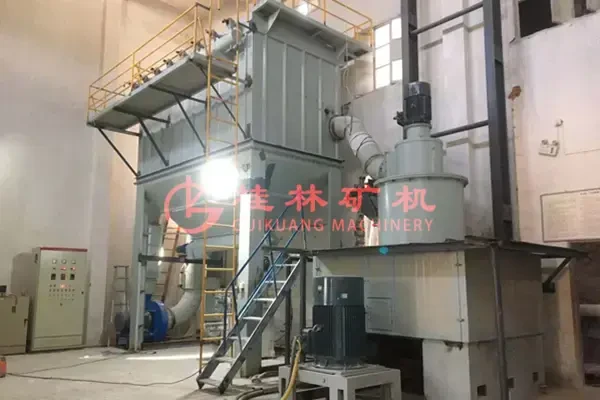
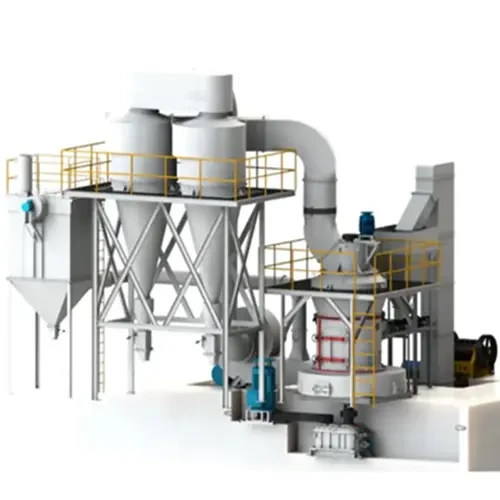
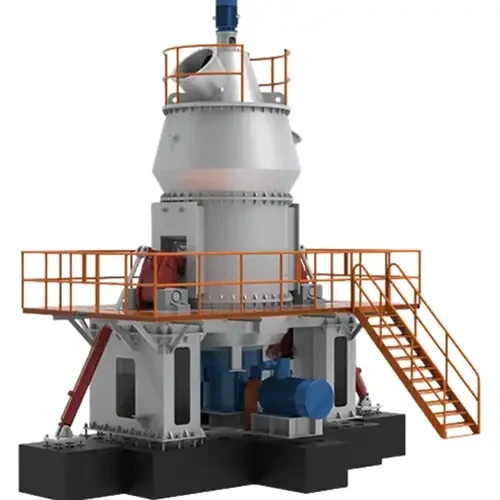
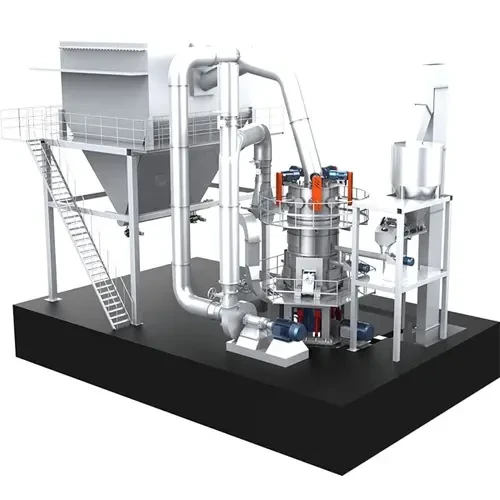
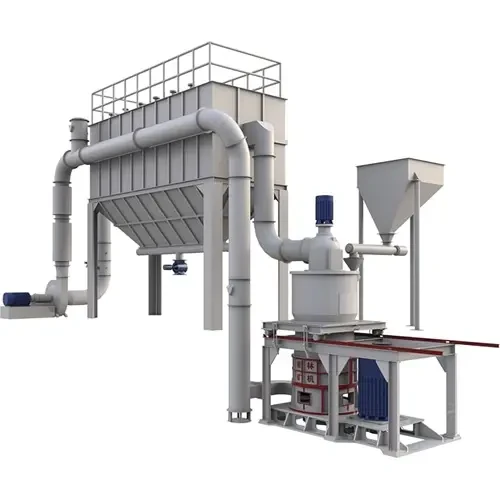
The small Raymond mill is designed to meet small-scale grinding requirements (≤1000kg/h). It adopts 2 grinding rollers and a single cyclone design (double cyclone collector is customizable). Featuring simple structure, small footprint and convenient installation & disassembly, the split base can be selected according to site conditions. With economical price, it is mainly used for small-scale powder processing and projects with limited space.
Features & Advantages of Small Raymond Mill
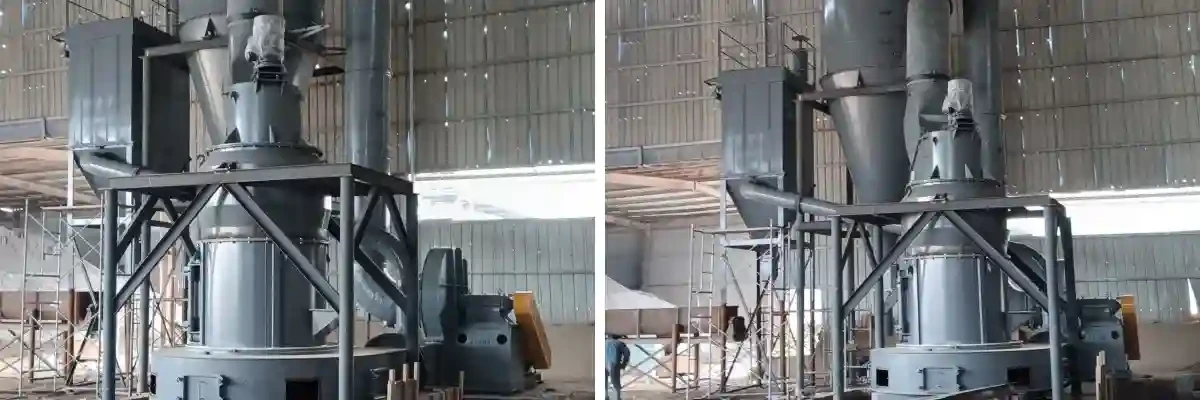
Compact Structure: Small floor area, only 60%~70% of conventional Raymond mill.
Easy Operation: Single cyclone collector design, simple installation, disassembly and maintenance.
Strong Adaptability: Optional split base for convenient transportation, suitable for projects with limited site space.
Cost-saving & Energy Efficient: Simple technological flow with low operating energy consumption and investment cost, suitable for research institutes and small enterprises.
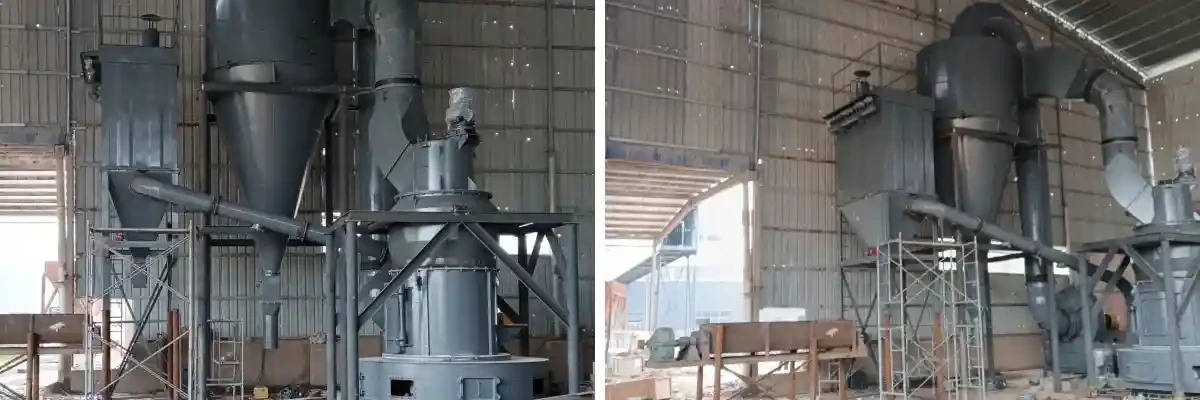
Process Flow of Small Raymond Mill
Raw Material Treatment
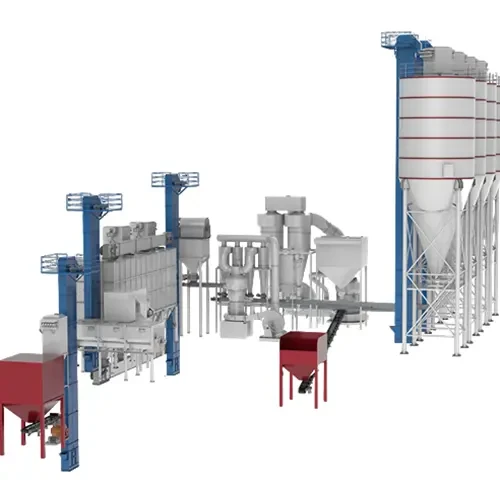
Raw materials are generally crushed to ≤15mm by small crusher to reduce load of the subsequent mill. Then materials are fed into small Raymond mill by feeder. Due to compact size of the equipment, vertical elevator is not required.
Grinding & Classification
Materials enter grinding chamber and get pulverized between grinding roller and ring. The classification system adopts air separation process. Qualified fine powder passes through top classifier with upward airflow and enters single cyclone collector. Unqualified coarse powder falls back to grinding area for regrinding under gravity, forming closed circuit circulation.
Powder Collection & Dust Removal
The collection system consists of single cyclone collector and pulse bag dust collector. The single cyclone collects most finished fine powder (80~95%). Pulse bag dust collector captures residual dust and purifies exhaust gas, then clean air is discharged by fan.
Application Scenarios of Small Raymond Mill
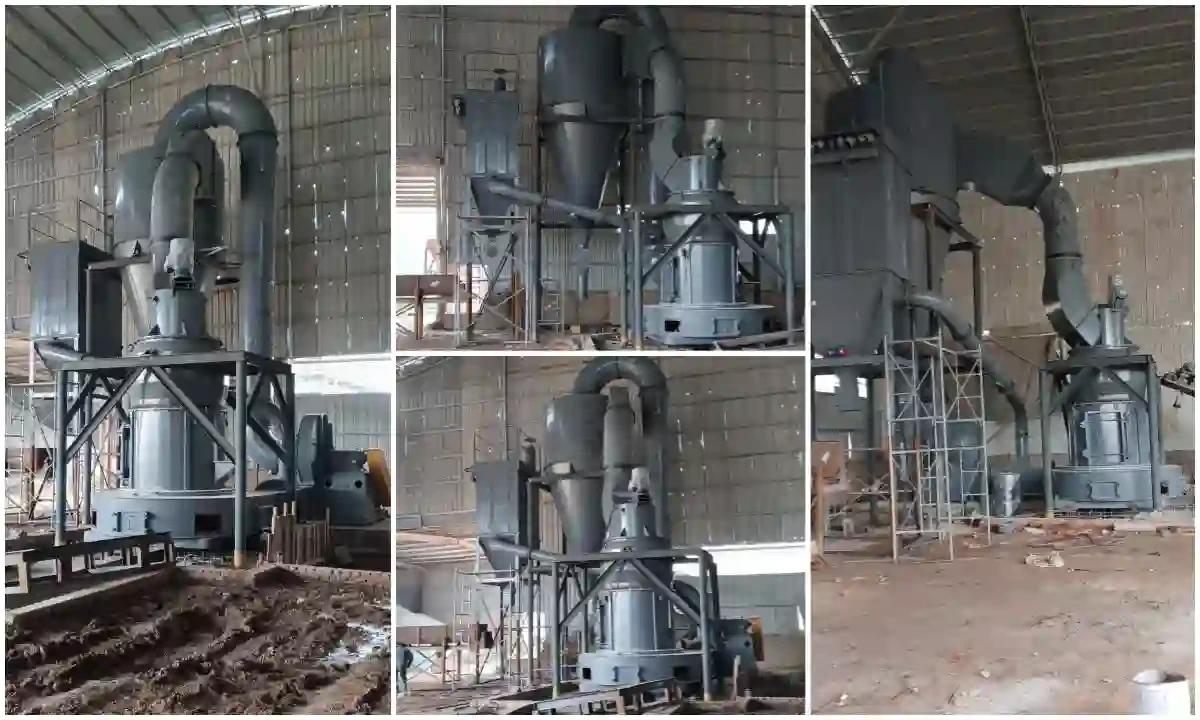
Technical Parameters of Small Raymond Mill
| GK Small Raymond Mill Parameter Table | |
| Number of Grinding Rollers | 2 pcs |
| Feed Size | ≤15mm |
| Finished Powder Fineness | 80~400 mesh |
| Production Capacity | 50~1000kg/h |
| Main Motor Power | 5.5~11kW |
| Classifier Power | 1.5~2.2kW |
| Fan Power | 7.5kW~11kW |
| Overall Dimension | 3.5×2.5×4.2m |
| *The above data is for reference only, actual parameters vary with raw materials | |
Frequently Asked Questions of Small Raymond Mill
Why does small Raymond mill adopt single cyclone design?
For powder production with output ≤1000kg/h, single cyclone collector can work efficiently without complex double cyclone split structure. Meanwhile, single cyclone features smaller size and lower cost, more suitable for small-scale processing and space-limited projects.
When to choose double cyclone design for small Raymond mill?
Double cyclone collector is used for high value-added special materials. For instance, in pharmaceutical excipient industry, double cyclone can lift collection efficiency of Raymond mill above 99%.
Does split base of small Raymond mill run stably?
The split base has weaker vibration resistance compared with integral base. But for small-scale grinding projects, this design is reasonable. It reduces investment cost and floor space while ensuring stable operation of small Raymond mill.
 Home
 Products
 About
 Call