


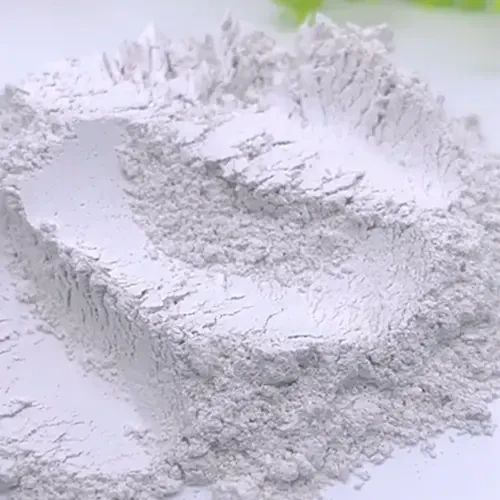
Industrial Calcium Hydroxide
Powder Purity:90%-95%
Powder Whiteness:80-90
Powder Fineness:200-800 mesh
Free Moisture Content:Hydrated lime powder, building mortar, silicate boards, soil improvement, road subgrade stabilization, dehairing for leather making, epichlorohydrin production, etc.
Industrial Calcium Hydroxide Introduction
Industrial calcium hydroxide refers to calcium hydroxide powder whose chemical composition, physical indicators and impurity content meet industrial standards. Compared with food-grade and pharmaceutical-grade products, it features lower cost and is suitable for large-scale industrial fields with requirements on cost, reaction activity or specific performance.
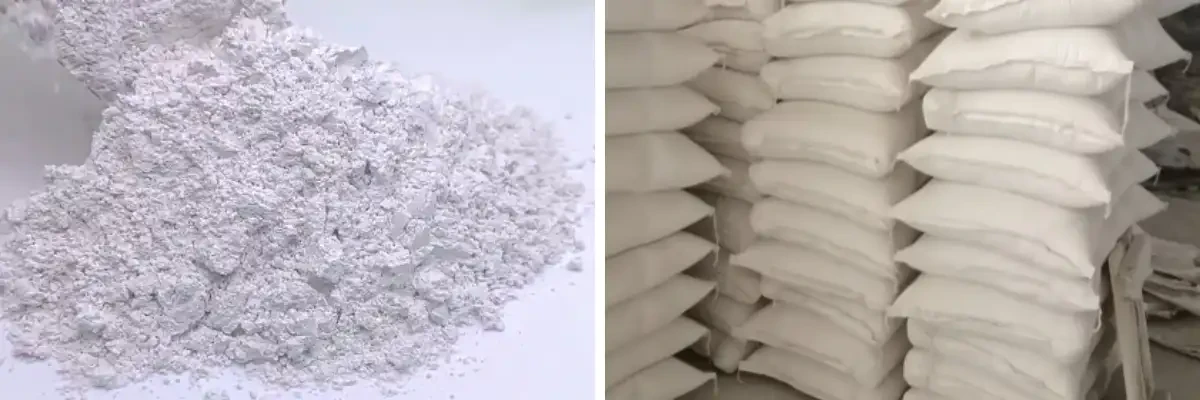
Properties of Industrial Calcium Hydroxide Powder
Chemical Properties: The content of calcium hydroxide (Ca(OH)₂) is stably maintained at 90%~95% with low acid-insoluble content, delivering excellent chemical reactivity and neutralization efficiency.
Material Properties: Generally 200~800 mesh, concentrated particle size distribution and good flowability.
Appearance & Color: Whiteness commonly ranges from 80 to 90. It appears as uniform white powder, slight yellowish or grayish tint is acceptable.
Moisture Content: Free moisture ≤2.0%, effectively preventing caking and guaranteeing stability during storage and transportation.
Production Process of Industrial Calcium Hydroxide
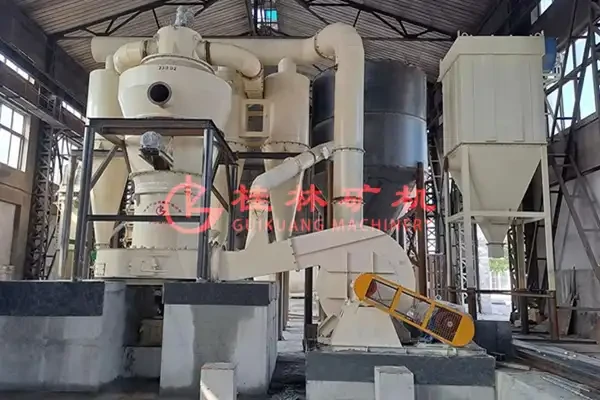
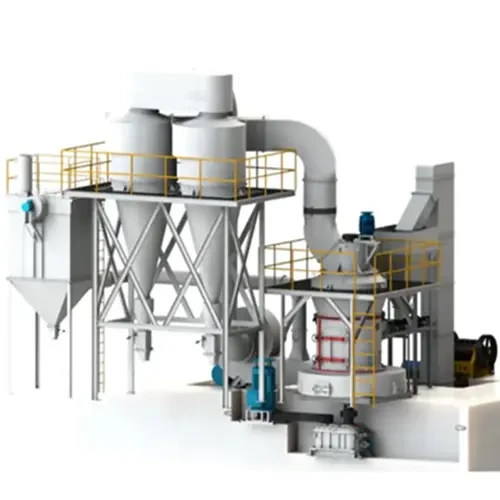
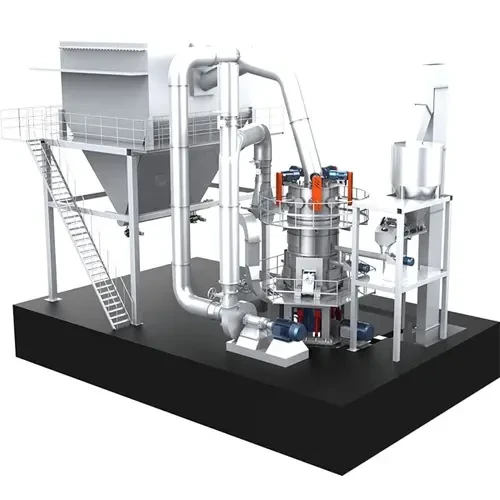
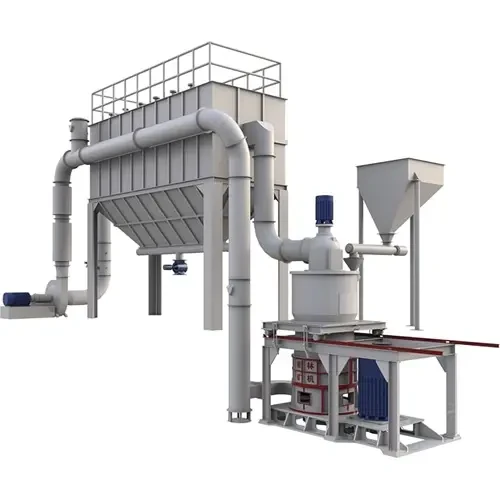
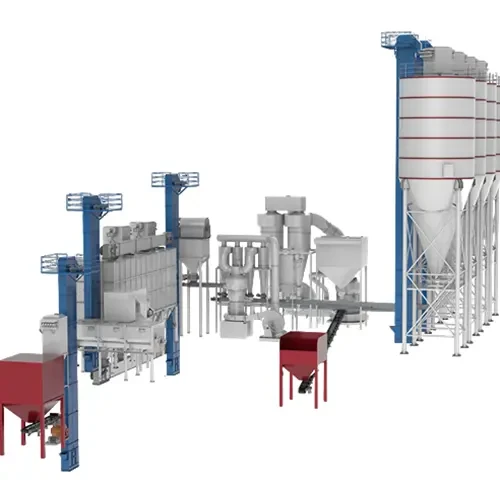
Industrial calcium hydroxide is commonly produced via slaking reaction in lime slaker (double-shaft mixer + single-shaft mixer). The double-shaft mixer acts as the primary slaking tank. Precise control of water-lime ratio (0.65~0.85:1) and reaction temperature (around 90℃) achieves preliminary slaking. Afterwards, the single-shaft mixer carries out curing treatment for pre-slaked calcium hydroxide. The material is held for 20~30 minutes at 70~85℃ to form porous flocculent high-activity calcium hydroxide. Finally, the material is dispersed, ground and classified by a lime powder mill to obtain finished calcium hydroxide powder whose particle size, activity and other indicators comply with industrial standards.

Application Fields of Industrial Calcium Hydroxide
Chemical Industry: Industrial calcium hydroxide serves as the basic raw material for manufacturing key chemicals such as epichlorohydrin and bleaching powder. It also works as an efficient pH regulator and precipitant.
Building Materials: As lime calcium powder, it improves coating hardness and water resistance, optimizes workability of mortar, and activates cementitious reaction in silicate products.
Metallurgy Industry: It acts as a flux at high temperature to remove sulfur and phosphorus impurities, and functions as a pH regulator in mineral processing to boost flotation efficiency.
General Industry: It is an essential process material for leather depilation and petroleum refining, a low-cost soil conditioner, and an efficient engineering material for subgrade stabilization and slag stabilization.
Technical Parameters of Industrial Calcium Hydroxide
| Parameter Table of Industrial Calcium Hydroxide | |
| Calcium Hydroxide [Ca(OH)₂] Content | ≥90% |
| Magnesium Oxide (MgO) Content | ≤2.0% |
| Acid-Insoluble Substance Content | ≤2.0% |
| Fineness (Mesh) | 200~800 mesh |
| Whiteness | ≥80 |
| Free Moisture Content | ≤2.0% |
| Appearance | White powder, slight yellowish or grayish tint acceptable |
| * All data above are for reference only. Specific parameters vary with applications. There is no unified standard in the industry. | |
Frequently Asked Questions of Industrial Calcium Hydroxide
What is the difference between industrial calcium hydroxide and food-grade calcium hydroxide?
The core difference lies in powder purity requirements. Industrial calcium hydroxide mainly focuses on chemical properties and cost, allowing trace harmless impurities that affect appearance. Food-grade calcium hydroxide must comply with national food safety standards, featuring extremely strict limits on hazardous substances such as arsenic, lead, heavy metals and microorganisms. Its production process also needs to meet food hygiene requirements.
Will caking of industrial calcium hydroxide during storage affect application?
Calcium hydroxide easily absorbs moisture and carbon dioxide in the air. Slight caking can be crushed, and its chemical reactivity remains basically unchanged for normal use. For severe caking, evaluation and screening shall be carried out before downgrade or blended application. It is recommended to store the product in cool, dry and ventilated warehouses with sealed packaging.
Is a calcium hydroxide classifier required for industrial calcium hydroxide production?
Most industrial calcium hydroxide production lines do not need a calcium hydroxide classifier. The combination of lime slaker and lime powder mill can produce qualified powder. A pre-classification process for slaked calcium hydroxide is only required when the calcined quicklime raw material is poor (containing overburned and underburned impurities), so as to guarantee the quality of finished calcium hydroxide powder.




 Home
 Products
 About
 Call