

Silicon Carbide Powder
Powder Purity:Black Silicon Carbide ≥98.0%, Green Silicon Carbide ≥99.3%
Powder Whiteness:--
Powder Fineness:80-2500 mesh
Free Moisture Content:Polishing micropowder, semiconductor wafers, high-temperature refractory bricks, photovoltaic devices, anti-corrosion coatings, precision wear-resistant parts, etc.
Silicon Carbide Powder Introduction
Silicon carbide powder is an inorganic non-metallic powder made mainly from quartz sand and petroleum coke. Bulk silicon carbide is synthesized via high-temperature carbothermal reduction, then processed through crushing, grinding, classification and multiple impurity removal procedures. It is divided into black silicon carbide and green silicon carbide by purity and color. Featuring high hardness, high temperature resistance, acid & alkali resistance and outstanding chemical stability, SiC powder is widely used in high-end manufacturing sectors including abrasive processing, refractory materials, metallurgical additives and semiconductor raw materials.
Properties of Silicon Carbide Powder
Chemical Properties: Black SiC ≥98.0%, green SiC ≥99.3%, semiconductor high-purity grade up to 99.9999%. It boasts stable chemical properties and acid & alkali corrosion resistance, maintaining stable performance at temperatures up to 2000℃ and inert to most industrial media.
Physical Properties: Mohs hardness 9.2~9.5, second only to diamond. It has strong cutting capacity and extremely high abrasiveness, bringing high difficulty to powder processing.
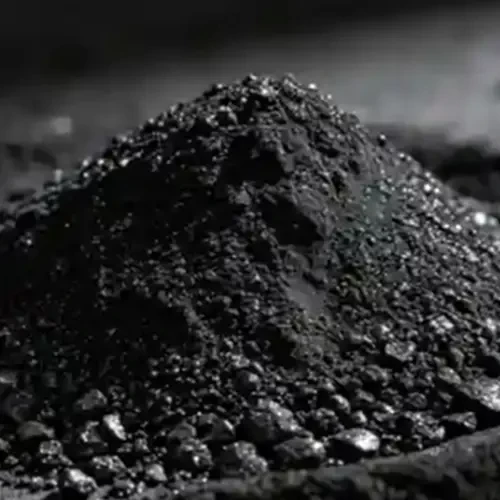
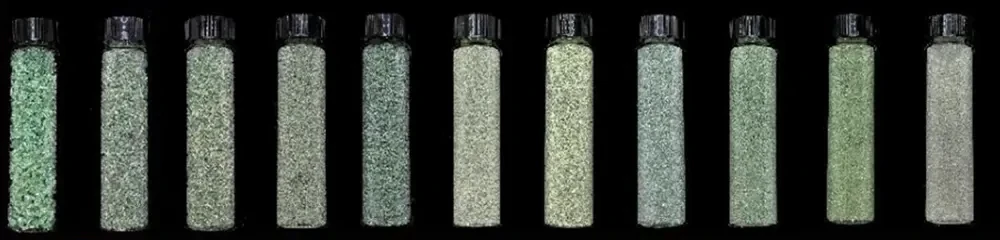
Appearance & Color: Black silicon carbide ranges from black to dark grey; green silicon carbide is yellowish-green to emerald green. High-purity conductive grade appears as uniform yellowish-green particles.
Moisture Content: Free moisture ≤0.2%. The powder is dry and loose, not easy to absorb moisture and cake, ensuring great stability during storage and transportation.
Production Process of Silicon Carbide Powder
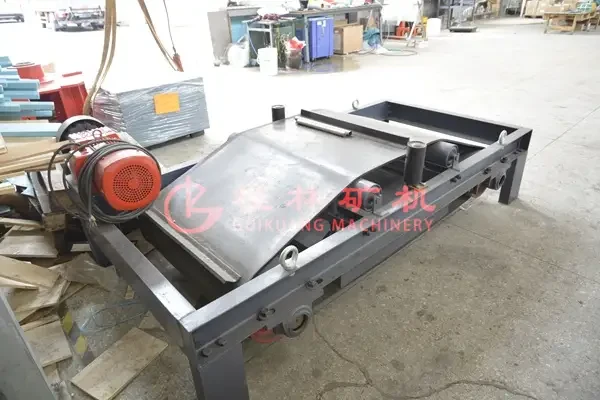
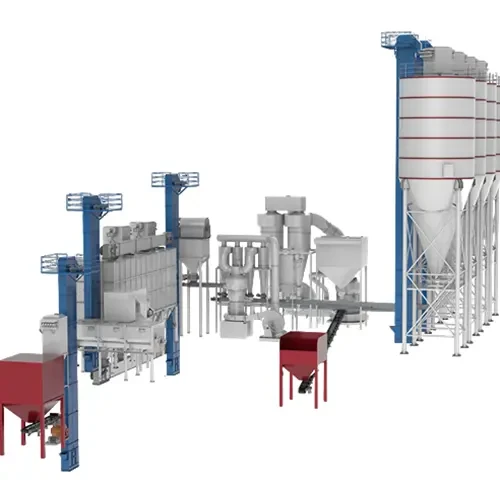
Raw silicon carbide blocks are synthesized by carbothermal reduction above 2000℃ in resistance furnace. Multi-stage crushing is carried out with jaw crusher and cone crusher, combined with vibrating screen classification and iron removal by magnetic separation in sections to obtain granular feedstock meeting feeding standards. Corresponding grinding process is selected according to finished fineness and purity requirements.

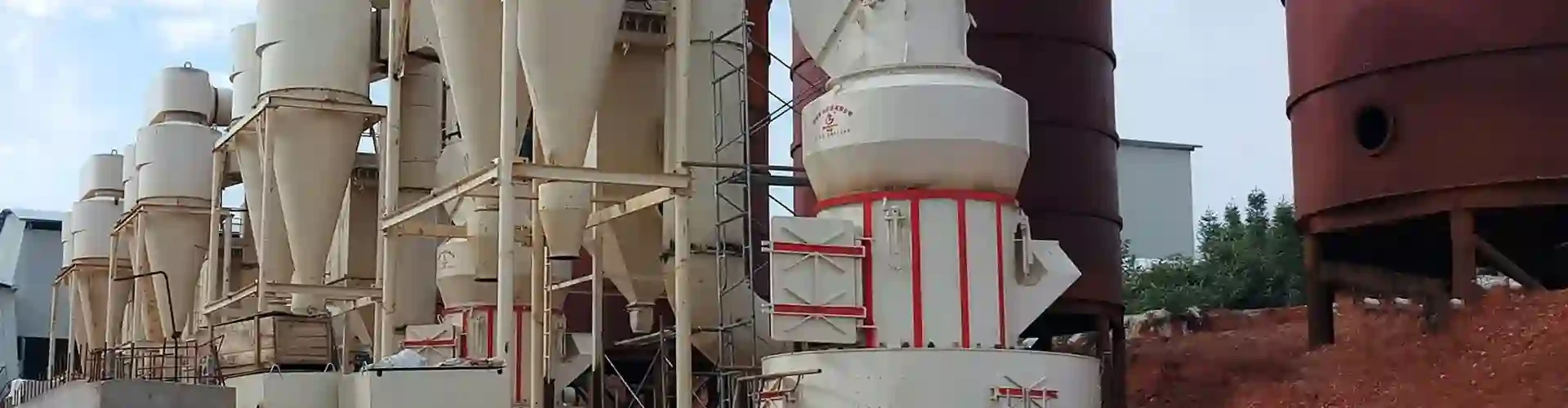
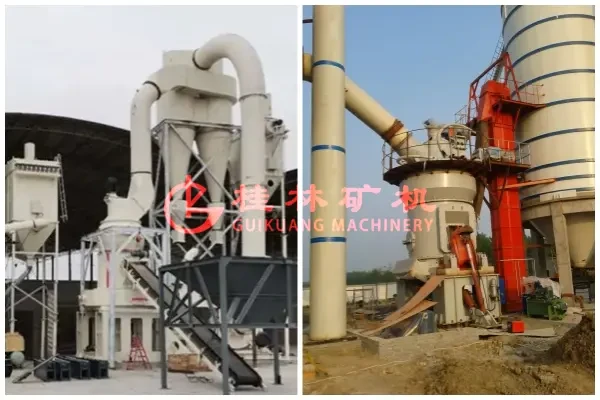
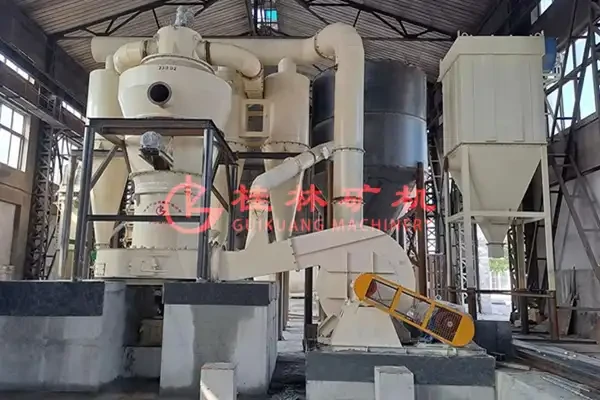
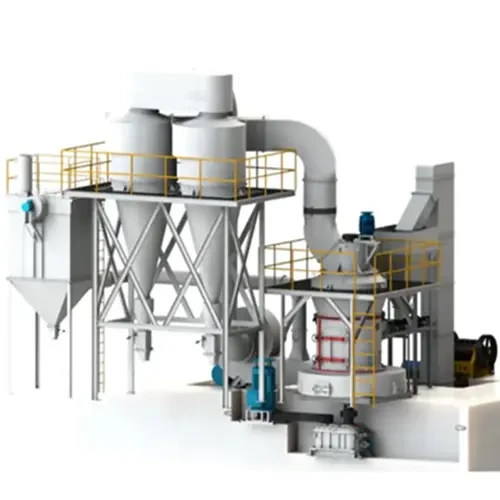
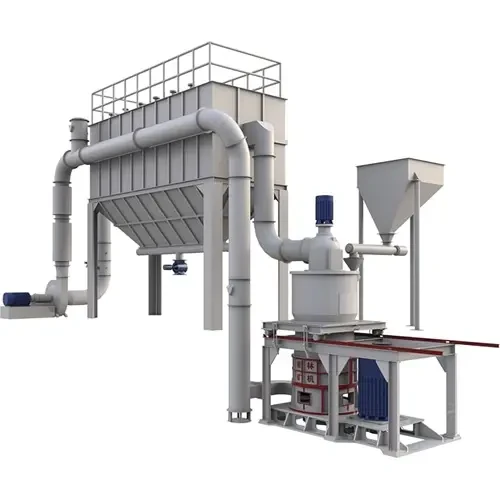
80~400 mesh conventional industrial powder: Wear-reinforced Raymond mill is adopted. Its grinding rollers and rings are upgraded to high-chromium alloy / hard alloy wear-resistant materials, equipped with multi-stage magnetic iron removal device. Stable output and high cost performance, suitable for mass production of black SiC and ordinary green SiC abrasives.
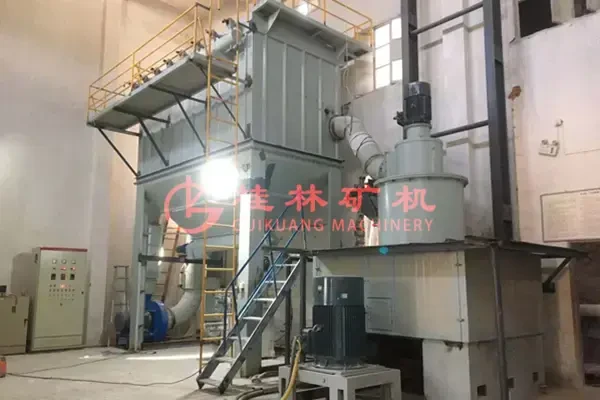
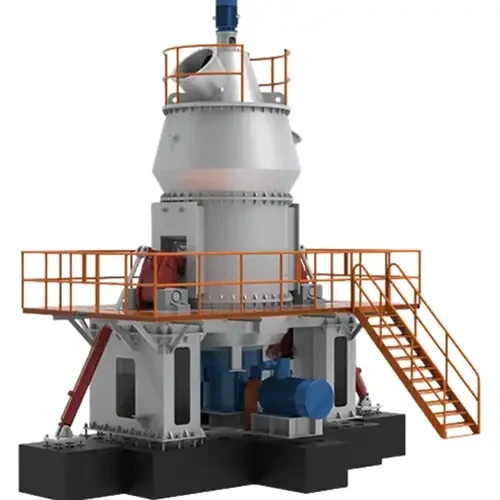
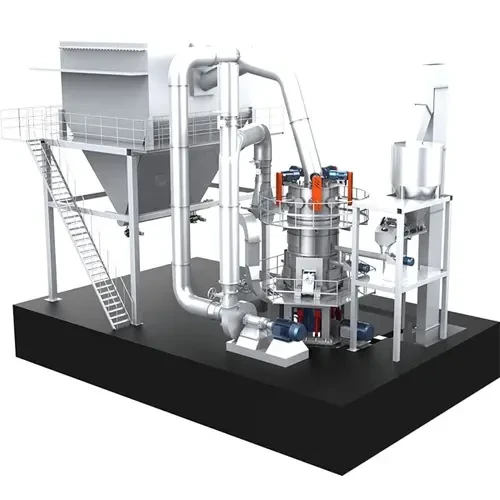
400~2500 mesh ultra-fine powder: Ultra-fine vertical mill with full-chamber ceramic lining. Grinding components and classifier blades are all ceramic structure to reduce iron contamination from the source and guarantee quality indicators of high-purity green silicon carbide powder.
Semiconductor-grade high-purity silicon carbide powder: Made from 6N high-purity silicon powder and high-purity graphite. After vacuum high-temperature solid-state synthesis, inert-atmosphere fluidized bed jet mill is used for metal-free grinding, together with multi-stage acid washing and high-temperature purification procedures to control impurities at ppm level.
Application Fields of Silicon Carbide Powder
Abrasive Processing: Used for bonded grinding wheels, sandpaper and blasting abrasives in metal cutting, stone polishing and workpiece surface treatment. High-purity green SiC micropowder serves for ultra-precision polishing of semiconductor wafers and optical lenses.
Metallurgy & Refractory: For manufacturing high-temperature refractory bricks, castables and kiln lining materials with good thermal shock resistance. Also applied as metallurgical deoxidizer and carburizing additive to purify molten steel and improve wear resistance and strength of steel.
Semiconductor Materials: High-purity silicon carbide powder is the core raw material for PVT silicon carbide single crystal growth. Its purity and particle size uniformity directly determine crystal defect rate and production yield of single crystal substrates, acting as a critical upstream material in the third-generation semiconductor industrial chain.
Composite Ceramics: Sintered into SiC structural ceramics with advantages of wear resistance, high temperature resistance and lightweight, applicable for extreme working conditions in aerospace, high-end equipment and nuclear energy industries.
Functional Filler: Added as modified filler into coatings, rubber & plastics and anti-static materials, effectively improving wear resistance, anti-corrosion, thermal conductivity and anti-static performance of base materials.
Technical Parameters of Silicon Carbide Powder
| Silicon Carbide Powder Parameter Table | |||
| Parameter | Black Silicon Carbide | Green Silicon Carbide | High-Purity SiC |
| SiC Content | ≥98.0% | ≥99.3% | ≥99.9999% (6N) |
| Iron Impurity Content | ≤0.3% | ≤0.1% | ≤0.05ppm |
| Appearance | Uniform black to dark grey powder | Uniform yellowish-green to emerald green powder | Uniform yellowish-green crystalline particles |
| Free Moisture Content | ≤0.2% | ≤0.2% | ≤0.1% |
| * All data above are for reference only. Specific parameters vary with raw materials and processes | |||
Frequently Asked Questions of Silicon Carbide Powder
What is the difference between black silicon carbide and green silicon carbide?
Black Silicon Carbide: SiC purity ≥98.0%, better toughness and lower production cost. Mainly used for conventional industrial applications such as ordinary bonded abrasives, refractory materials and metallurgical deoxidation.
Green Silicon Carbide: SiC purity ≥99.3%, higher hardness, greater brittleness and lower impurity content. Suitable for scenarios with strict purity requirements, including precision polishing, high-end structural ceramics and semiconductor raw materials.
Why can’t ordinary grinding equipment be directly used for silicon carbide powder processing?
Silicon carbide has a Mohs hardness of 9.2~9.5 and extremely high abrasiveness. Ordinary steel grinding rollers and liners will wear and fall off rapidly, resulting in heavy equipment loss and high operation & maintenance cost. Meanwhile, stripped iron scraps will mix into powder and reduce purity, failing downstream specification requirements. Therefore, special equipment including wear-upgraded Raymond mill, ceramic-lined vertical mill or jet mill should be selected according to fineness and purity requirements.
What are the core differences between industrial-grade SiC and semiconductor high-purity SiC?
Industrial-grade Silicon Carbide: Purity 98%~99.3%, trace impurities are acceptable, mainly processed by mechanical grinding, applied in conventional abrasive and refractory fields.
Semiconductor High-Purity Silicon Carbide: Purity up to 6N grade, metallic impurities controlled at ppm level. It requires vacuum synthesis, iron-free grinding by jet mill and multiple purification procedures, exclusively for high-end semiconductor fields such as SiC single crystal substrate growth.
 Home
 Products
 About
 Call