

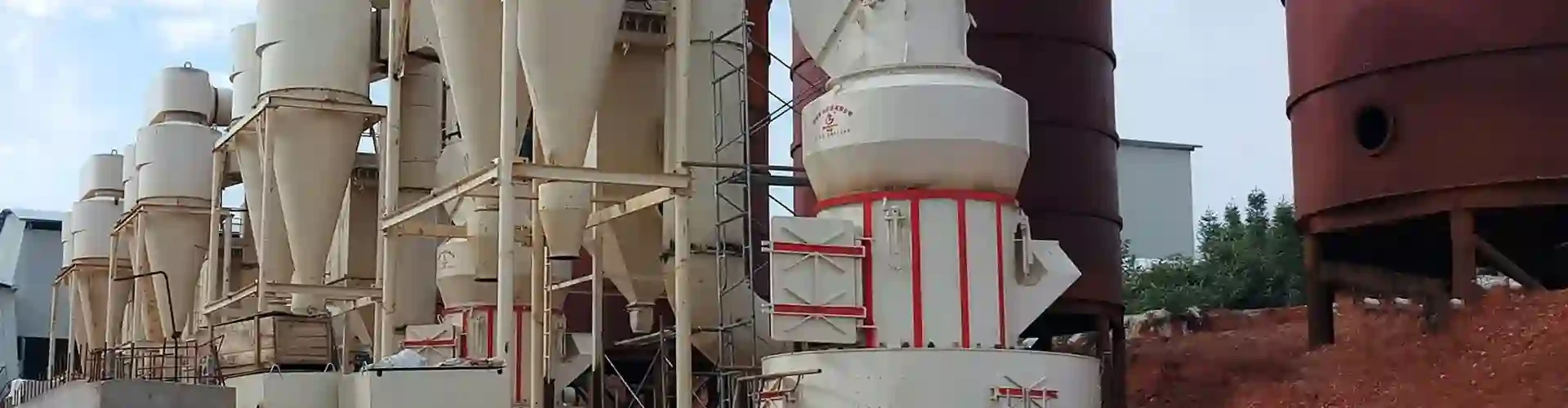
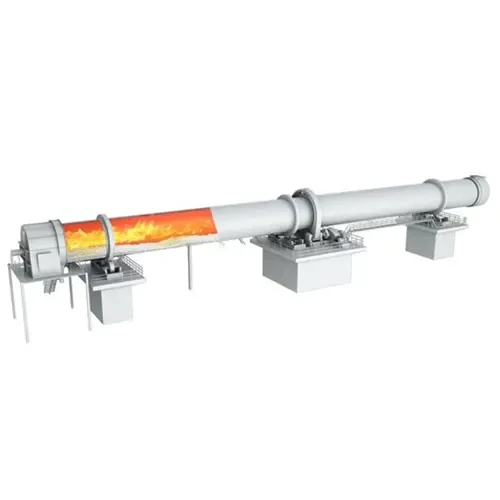
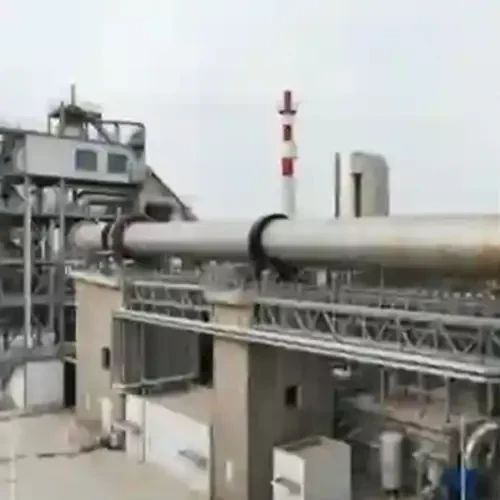
Lime Rotary Kiln
Function Description:The lime rotary kiln is equipped with a vertical preheater and vertical cooler. It delivers uniform and stable calcination with high resource utilization rate, and can produce high-purity quicklime (CaO ≥95%) with high activity (340-380 ml). It serves as the core calcination equipment for manufacturing high-quality calcium hydroxide.
Suitable Materials:Limestone
Introduction to Rotary Lime Kiln
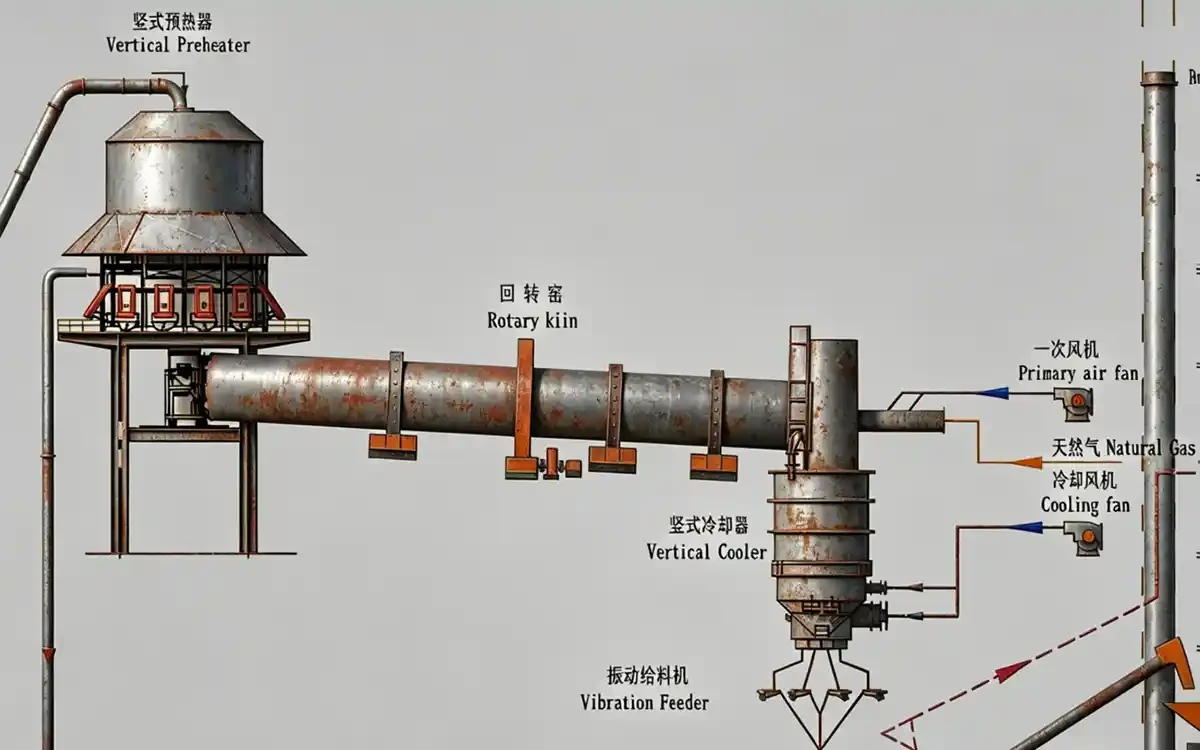
Rotary lime kiln is special equipment for high-temperature calcination and decomposition of limestone (calcium carbonate) into quicklime (calcium oxide). Adopting the integrated process configuration of vertical preheater + rotary kiln + vertical cooler, it delivers uniform and stable calcination with low overburning rate. The produced quicklime features excellent quality, CaO purity ≥95%, lime activity reaching 340~380ml, up to 400ml under partial working conditions. Equipped with high-efficiency pulse bag dust collector, tail gas emission ≤30mg/m³.
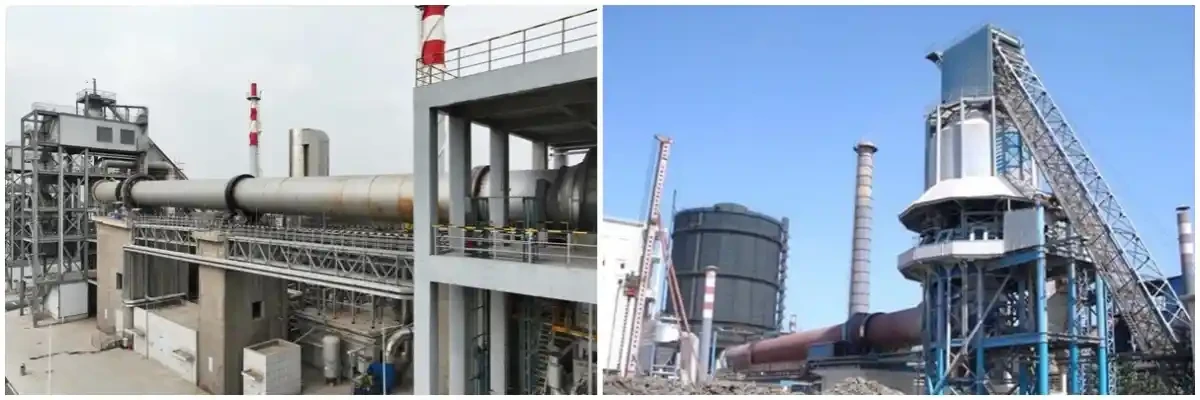
Features & Advantages of Rotary Lime Kiln
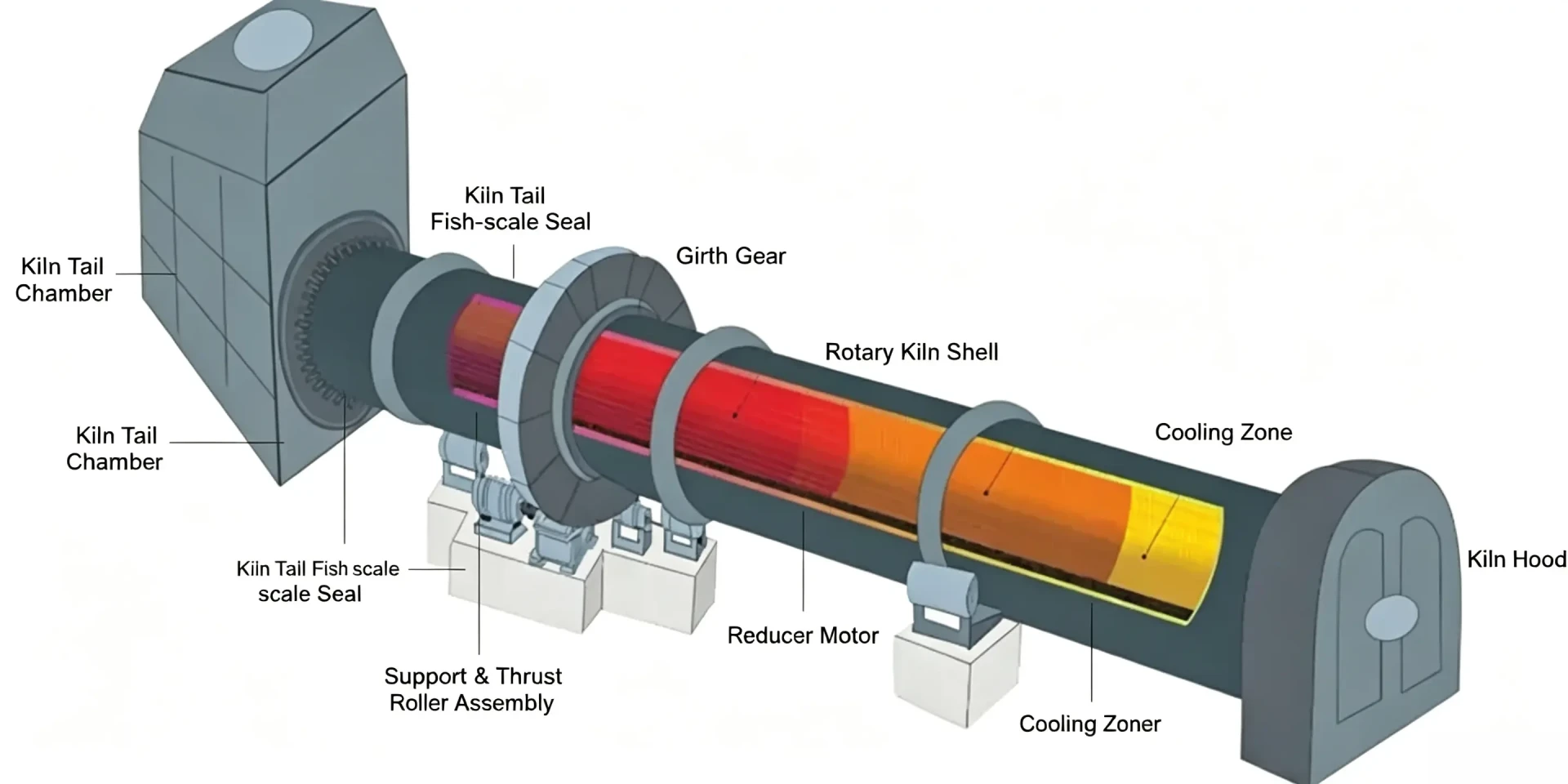
Structural Features
Preheating System: Equipped with vertical preheater with low flue gas resistance. Material level detector installed on top silo to stabilize material bed. High-temperature flue gas conducts direct heat exchange with stone, preheating temperature reaches 750~850℃, partial limestone decomposes in advance.
Calcination System: Kiln length-diameter ratio 14~15. Variable frequency speed regulation for transmission system, fitted with main motor and auxiliary motor. Emergency drive can be activated to protect kiln body in case of power failure. Spring plate seals adopted at kiln head and kiln tail, featuring good tightness, low air leakage rate and reliable operation.
Cooling System: Matched vertical cooler with independent zonal control. High-temperature lime exchanges heat directly with cooling air, discharge lime temperature ≤ ambient temperature +50℃. Preheated secondary air reaches 600~650℃.
Combustion System: Supports multiple fuels such as pulverized coal and natural gas. Multi-channel burner can be configured according to kiln type for flexible flame adjustment and sufficient combustion. The system is equipped with safety protection functions including automatic purging and emergency cut-off.
Dust Removal System: Pulse baghouse dust collector installed at kiln tail. Independent dust collecting device set at cooler discharging point. Full-line sealing design reduces fugitive emission with favorable environmental performance.
Performance Advantages
Simple & Efficient: Simple structure and compact layout, occupying over 30% less floor area than conventional rotary kilns. Suitable for production lines with daily output of 300~1200 tons, large-scale production lines run stably and maturely.
High-Quality Final Product: Limestone tumbles and heats evenly inside kiln, overburning rate ≤5%. Lime activity 340~380ml with low sulfur content, applicable for high-standard scenarios such as steelmaking and chemical industry.
High Resource Utilization: Directly process limestone of 10~50mm particle size to reduce resource waste, boosting resource utilization rate by 30~40% compared with traditional rotary kilns.
Energy Saving & Consumption Reduction: Preheater recovers waste heat of flue gas, cooler recovers sensible heat of lime. Small heat dissipation area of kiln body, comprehensive energy consumption reduced by more than 15% vs conventional rotary kilns.
Eco-friendly: Kiln tail flue gas temperature 280~350℃ with low dust concentration. Matched dust removal equipment steadily meets national environmental protection standards.
| Comparison of Limestone Calcination Equipment | ||
| Conventional Rotary Kiln | Rotary Lime Kiln | Vertical Shaft Kiln |
| Horizontal design, large length-diameter ratio, large footprint, partial calcination dead zones | Length-diameter ratio reduced to 14~15, compact layout, no calcination dead zones | Vertical structure, small footprint, many calcination dead zones |
| Prone to material blockage & arching for 10~30mm raw material, low utilization rate | Direct calcination of 10~50mm limestone, high resource utilization rate | Cannot use 10~30mm raw material, low utilization rate |
| Poor thermal insulation, uneven heating, high overburning rate | Full-system thermal insulation design, evenly heated materials, low overburning rate | Average insulation, extremely uneven heating, severe overburning and underburning |
| Lime activity ≤300ml | Lime activity 340~380ml | Lime activity ≤280ml |
| No waste heat recovery, high heat consumption, high energy consumption per ton product | Dual recovery of flue gas and lime sensible heat, low comprehensive heat consumption | No waste heat recovery, high heat consumption, high energy consumption per ton product |
| Poor sealing, heavy dust emission | Full-system sealing design, fitted with high-efficiency pulse dust removal | Relatively poor sealing, weak environmental performance |
| Mostly manual operation, low automation | PLC centralized control, simple maintenance | Mostly manual operation, low automation |
| Medium price | Slightly higher price, optimal overall cost performance | Low price |
| Quicklime purity ≥88%, many impurities, uneven color, easy caking | Quicklime purity ≥95%, uniform color, no caking, stable activity | Quicklime purity 85~95%, high proportion of underburned and overburned material, unstable quality |
Rotary Lime Kiln Process Flow
Raw Material Handling
Large limestone lumps are crushed by crusher and screened by vibrating screen to 10~50mm particle size, then stored in raw material silo. Quantitative feeder feeds materials evenly and steadily into vertical preheater.
Vertical Preheating
High-temperature flue gas from kiln tail enters preheater for full counter-current heat exchange with stone, heating limestone to 750~850℃. Around 20% calcium carbonate completes preliminary decomposition. Preheated materials are pushed into rotary kiln by hydraulic pusher.
High-Temperature Calcination
Limestone (CaCO₃) → Quicklime (CaO) + CO₂↑
Materials tumble and advance slowly inside rotary kiln, exchanging heat counter-currently with high-temperature flue gas. Calcium carbonate decomposes at 900~1350℃ calcination zone to generate quicklime. Adjusting fuel supply, air volume and kiln rotation speed can precisely control calcination temperature and material residence time to guarantee stable and uniform quicklime quality.
Vertical Cooling
Calcined quicklime flows from kiln head into vertical cooler, cooled rapidly via counter-current heat exchange with cold air (discharge temperature no more than 50℃ above ambient temperature). Meanwhile, cold air is preheated to 600~650℃ and sent into kiln as secondary combustion air, effectively improving fuel utilization efficiency.
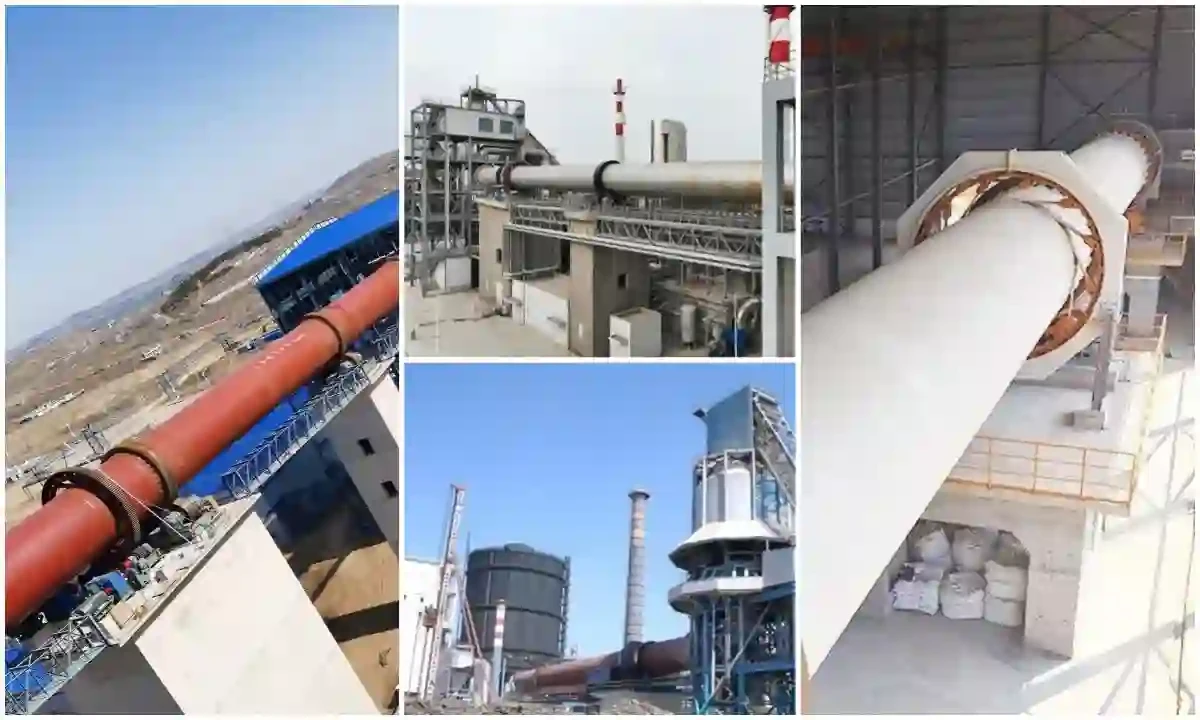
Application Scenarios of Rotary Lime Kiln
Technical Parameters of Rotary Lime Kiln
| Rotary Lime Kiln Parameter Comparison Table | |||||
| Daily Output (t/d) | Kiln Size (m) | Length-Diameter Ratio | Lime Activity (ml) | Specific Heat Consumption (kJ/kg) | Installed Power (kW) |
| 300 | Φ3.2×50 | 15.6 | 340~380 | ≤5000 | ~380 |
| 600 | Φ4.0×60 | 15.0 | 340~380 | ≤4800 | ~650 |
| 800 | Φ4.3×64 | 14.9 | 340~380 | ≤4600 | ~820 |
| 1200 | Φ4.8×70 | 14.6 | 340~380 | ≤4500 | ~1100 |
Frequently Asked Questions about Rotary Lime Kiln
What is the difference between rotary lime kiln and conventional rotary kiln?
Rotary Lime Kiln: Adopts integrated configuration of vertical preheater + rotary kiln + vertical cooler. It recovers waste heat to preheat raw materials, rapid cooling preserves lime activity, secondary air supports combustion for energy saving. Calcination temperature is precisely controllable to stably produce high-purity and high-activity quicklime, meeting production requirements of high specific surface area calcium hydroxide and other high-end products.
Conventional Rotary Kiln: Not equipped with vertical preheater and vertical cooler. Flue gas waste heat is directly discharged, featuring high energy consumption, uneven calcination and low lime activity.
How to improve the activity of lime produced by rotary kiln?
Select high-purity, low-impurity limestone with uniform particle size, stabilize calcination temperature at 1250~1350℃, and reasonably control material residence time inside the kiln.
Rotary kiln or vertical shaft kiln for high specific surface area calcium hydroxide production line?
Choose rotary kiln. It delivers uniform calcination and controllable temperature to produce high-purity, high-activity quicklime. Vertical shaft kiln suffers large temperature fluctuation, unstable finished product purity and low lime activity, unable to satisfy production requirements of high specific surface area calcium hydroxide.
 Home
 Products
 About
 Call